A tiny chunk of Australia seeded Southeast Asia's tropical forests 50 million years ago, plant fossils preserved in amber reveal
An analysis of plant fossils preserved in amber from Myanmar revealed that the West Burma Block, a chunk of crust that broke off of Australia, seeded Southeast Asia's lush tropical forests.
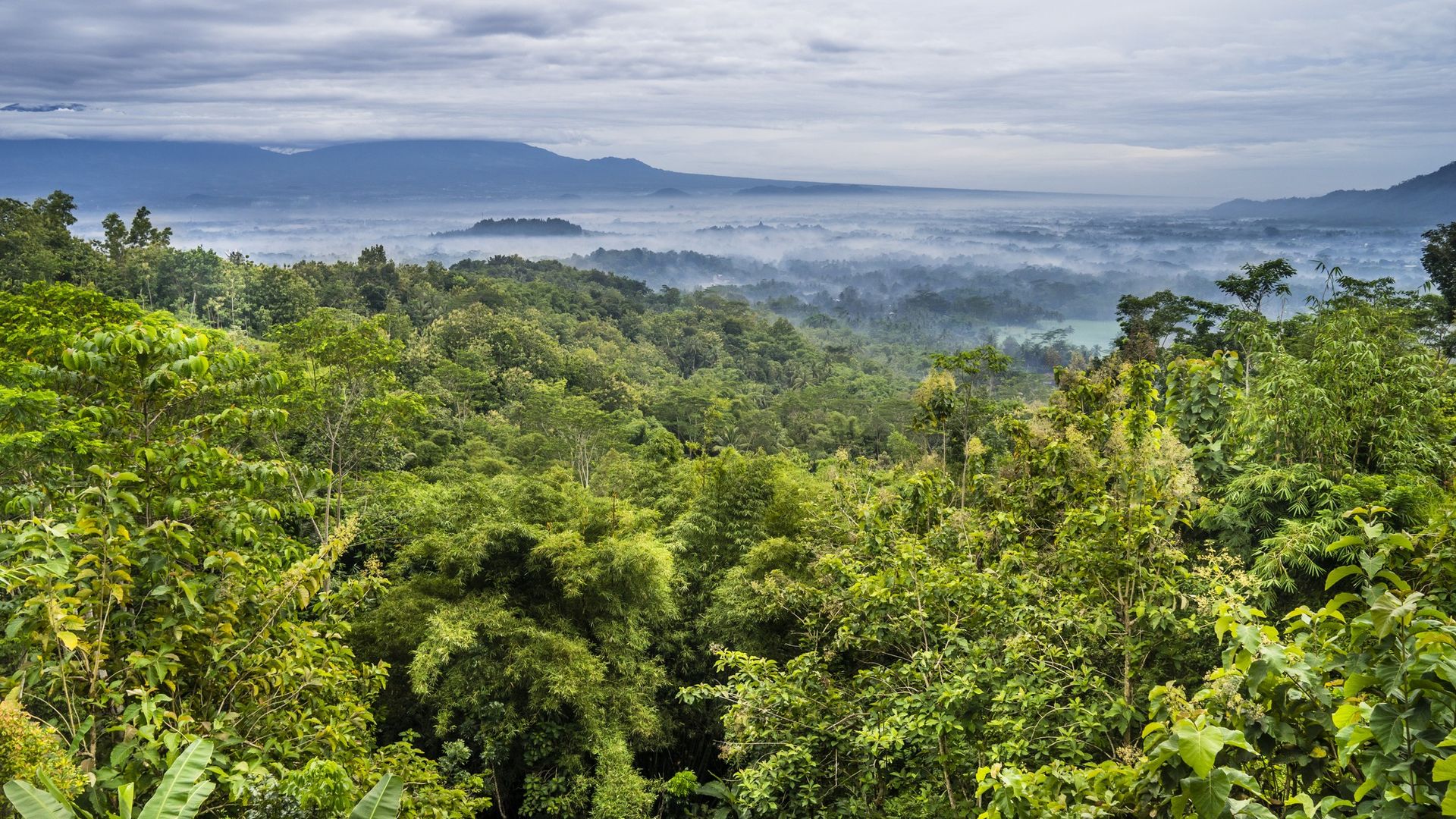
Australia's ancient separation from Antarctica and India played a crucial role in shaping Southeast Asia's tropical forests, according to a new study. Around 150 million years ago, a fragment of Earth's crust, known as the West Burma Block or Burma terrane, split from what is now northwestern Australia. This fragment carried hundreds of flowering species and other ancient plants across the prehistoric Tethys Ocean.
Previous theories suggested the fragment originated closer to Southeast Asia and that the region's tropical forests evolved after the dinosaurs' extinction around 66 million years ago. However, the new research reveals that the fragment drifted northward for 100 million years before colliding with Southeast Asia, seeding the region with tropical forests.
Study co-author Byron Lamont of Curtin University's School of Molecular and Life Sciences emphasized that while the fragment didn't strip Australia of its ancient flora, its descendants still exist in the country's Northeast, which is hot and humid. The collision between the fragment and Southeast Asia, known as the Indian Plate, occurred around 80 million years ago, altering the fragment's orientation and eventually leading to its collision with Asia.
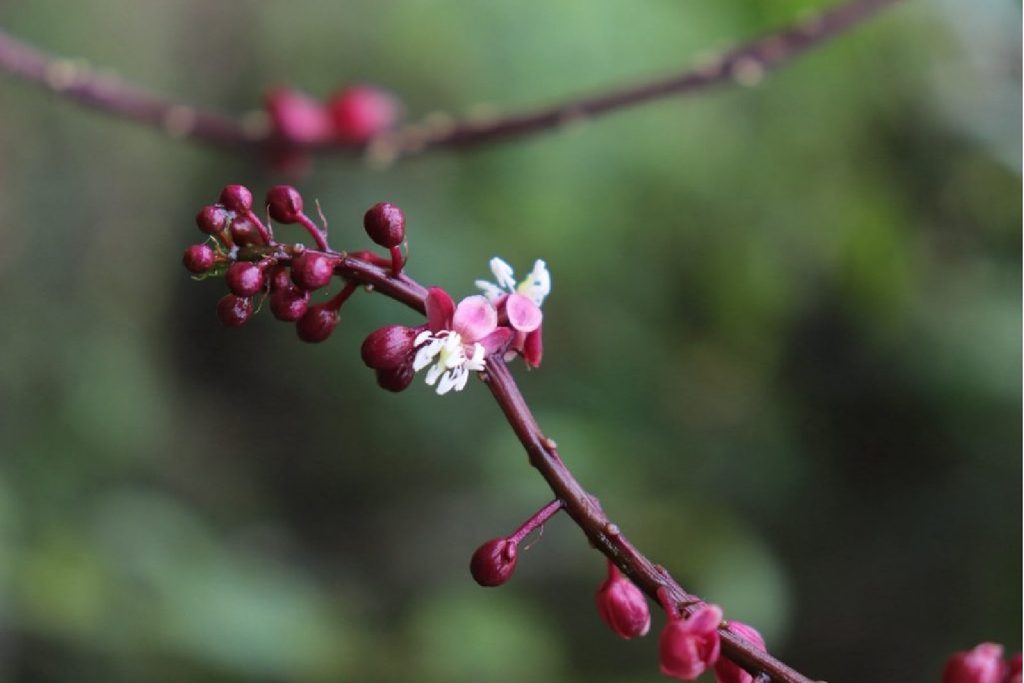
The fragment spent tens of millions of years near the equator, providing a perfect environment for ancient plant lineages to survive and diversify. The study analyzed over 3,000 plant fossils from Myanmar preserved in amber around 100 million years ago, revealing the deep evolutionary roots of Southeast Asia's tropical forests.
Written by urgent.news from Live Science's reporting — not their text. Machine-written — may contain errors; check the original before relying on it.