Why do we light diyas on Diwali?
At 5 pm on every Diwal i, we would start taking the diyas out of the cupboards. We would put the diyas around the garden, the balcony, and even add a few at the entrance. And then, we would set about lighting them. There was a little thrill of holding a candle, and going to each diya to light it. The little hot wax would drip in places and seal itself on the floor, but we didn't mind, because…
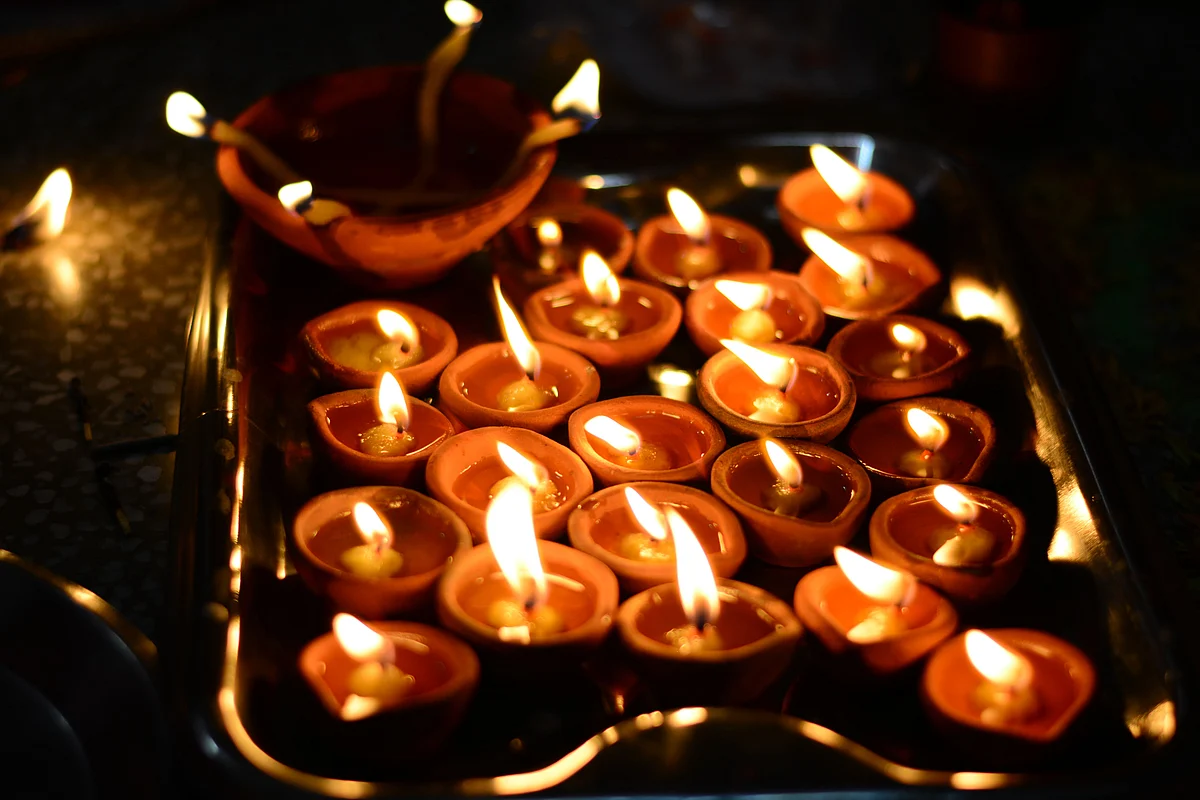
On Diwali, families around the world gather to light diyas, small clay lamps filled with oil and a cotton wick. These diyas are placed both indoors and outdoors, creating a glowing path of light. The tradition holds various meanings, each deeply rooted in cultural and religious significance.
Some families light diyas as a way to welcome home the deity of wealth and good fortune, Lakshmi. Living in a moonless night, they believe that the glowing lamps provide a guiding light for Lakshmi to enter their homes. For others, the diyas celebrate the victory of the Hindu deity Lord Rama, who returned to Ayodhya after defeating the demon king Ravana. They light diyas to honor Rama's triumph, marking the beginning of a new era of peace and prosperity.
In southern India, Diwali also commemorates the victory of Lord Krishna over the demon Narakasura. This legend serves as a reminder that even the most formidable of foes can be vanquished, and light always triumphs over darkness. For Jains, Diwali marks the day Lord Mahavira attained Nirvana, or enlightenment. They honor this event by lighting diyas, commemorating the immortal wisdom and teachings of their spiritual leader.
Ultimately, lighting diyas is an act of inviting light into the darkness. It's a symbol of hope, renewal, and the enduring power of knowledge and wisdom. Regardless of the specific narrative one chooses to embrace, the act of lighting diyas on Diwali is a beautiful tradition that brings communities together, transcending borders and languages.
Written by urgent.news from Gulf News's reporting — not their text. Machine-written — may contain errors; check the original before relying on it.