Why best consumer brands are built on everyday habits, not one-time marketing campaign
For consumer brands, getting customers to try a product is only the first hurdle. The bigger challenge is getting them to return, particularly in a market where choices are abundant.
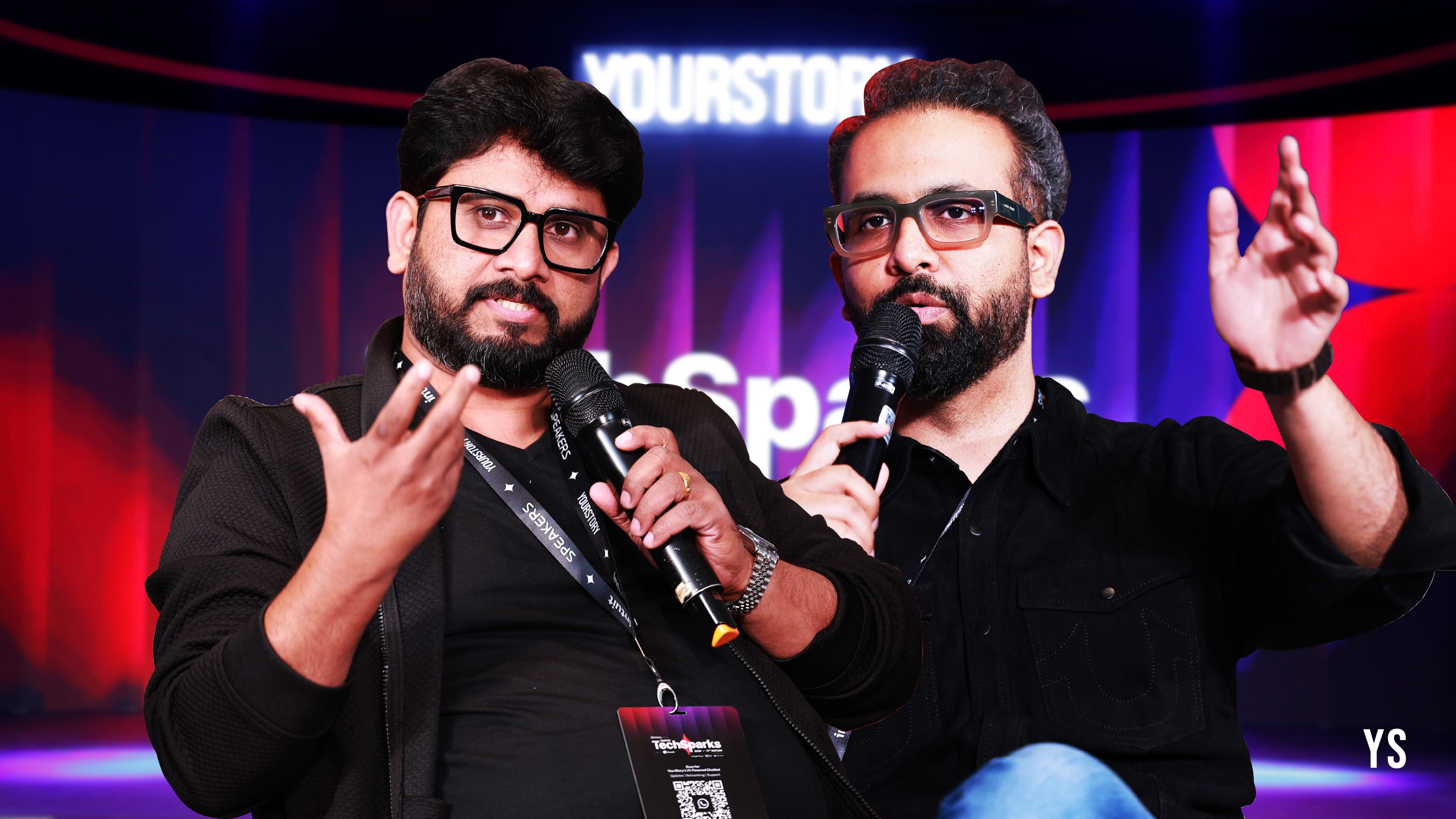
Acquiring a customer through a marketing campaign is essential, but retaining that customer requires a product that becomes an integral part of their everyday life. Sangeeth Krishna, founder of BRÜK, and Nikhil Khurana, co-founder of Qubo, discussed at Techsparks 2026 that design, reliability, and an understanding of consumer behavior are crucial for building lasting brands.
Products that become indispensable, such as security cameras and air purifiers, succeed when they seamlessly integrate into consumers' daily routines. For Qubo, hit product-market fit when consumers express that they can't live without a product, indicating a strong habit has formed. The absence of a product often highlights its habit-forming nature.
BRÜK's success came from recognizing a trend in drinkware, where people personalize their accessories like they do with lifestyle items. The brand focused on creating drinkware that combines functionality and aesthetics, catering to office workers. Qubo's experience in home security also underscores the importance of reliability in building trust with consumers.
Retention should not be a marketing strategy but a result of the product's usefulness. Marketing can only assist with initial acquisition, and the product must keep users engaged. Brands should avoid incentives that rely on streaks, points, or cashback and instead develop products that naturally foster repeat usage. Expanding product lines to address everyday needs can also create new opportunities.
While premium pricing poses a challenge, a smaller but well-defined customer base willing to pay for quality products can be more valuable than a large customer base with lower margins. Ultimately, building a lasting consumer brand depends on offering a truly valuable product that resonates with consumers' daily lives.
Written by urgent.news from YourStory's reporting — not their text. Machine-written — may contain errors; check the original before relying on it.