Swift has fallen: NASA's 22-year-old space telescope burns up over Sumatra
The reentry of NASA's dead Swift space telescope is the end of an era for rapid-response space science.
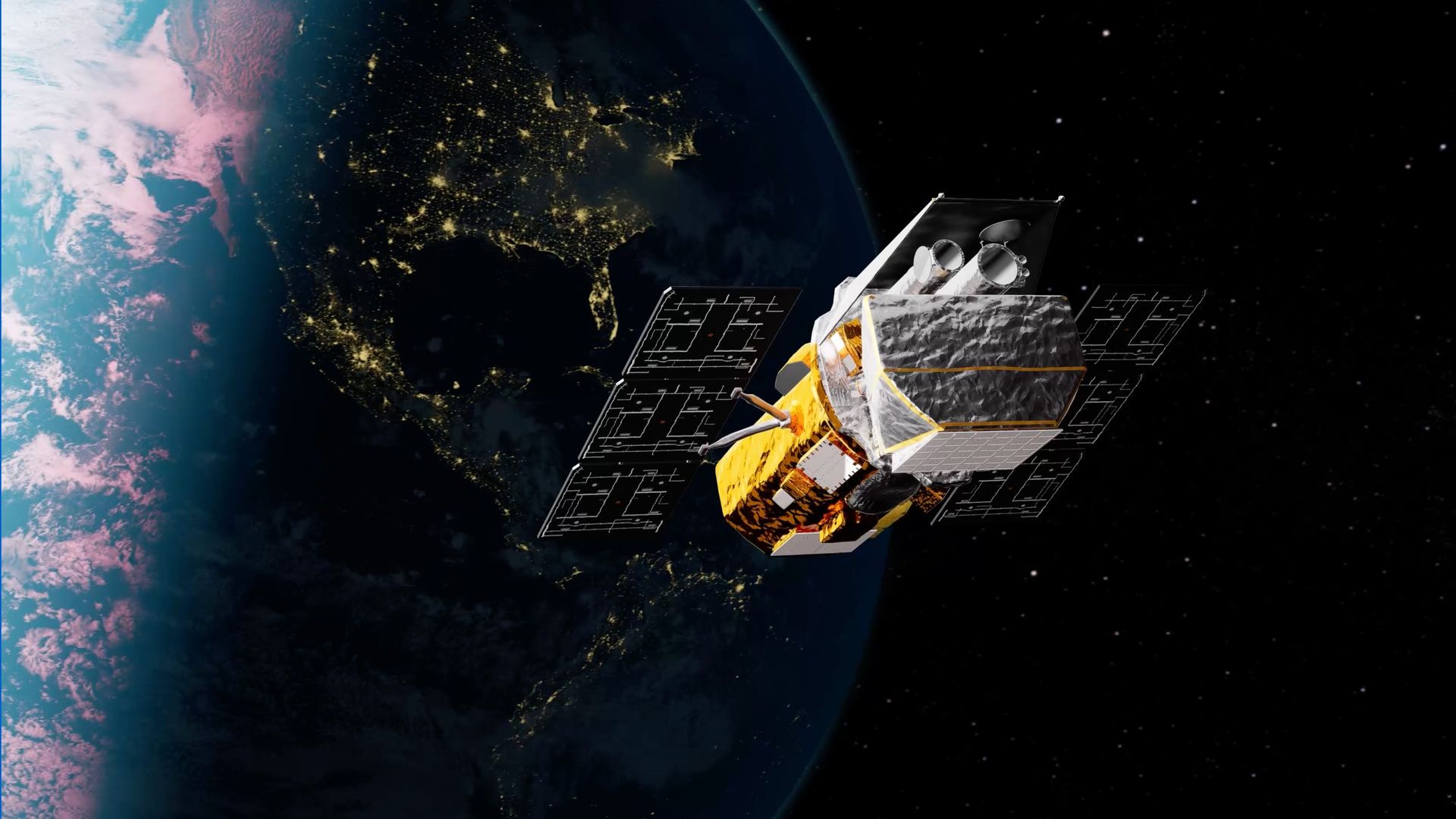
NASA's Swift space telescope, which has been observing the cosmos for nearly two decades, has come to an end as it disintegrated upon re-entering Earth's atmosphere over Sumatra, Indonesia. The spacecraft, known as the Neil Gehrels Swift Observatory, was launched in 2004 with a two-year mission but far surpassed expectations, becoming a vital instrument for studying gamma-ray bursts, supernovas, black holes, and other cosmic phenomena.
Its three onboard telescopes allowed scientists to observe various wavelengths, enabling rapid responses to celestial events. Swift's scientific contributions have resulted in around 7,000 research papers. The telescope's mission ended due to atmospheric drag, which accelerated its descent after being initially boosted by solar activity. No damage or injuries were reported, and no debris was expected to land in populated areas.
Written by urgent.news from Live Science's reporting — not their text. Machine-written — may contain errors; check the original before relying on it.
This story
This is one outlet's version. Read the fullest account.
- NASA’s Swift Observatory is about to burn up in the atmosphere – the indispensable telescope helped astronomers track fast-moving events in space theconversation.com
- NASA asks industry for ideas about saving Hubble Space Telescope space.com
- A NASA space telescope plunged back to Earth after a mission that lasted 11 times longer than planned pbs.org
- NASA is racing against time to save the Hubble Space Telescope sciencedaily.com
- NASA space telescope plunges to Earth after two decades studying cosmic explosions phys.org
- NASA space telescope plunges to Earth after two decades studying cosmic explosions winnipegfreepress.com
- Voting in space: NASA astronauts vote from ISS r.smartbrief.com
- SpaceX no longer needs NASA, and that's a problem for America's space agency arstechnica.com