Swapping from dairy to plant-based milk, cheese and yoghurt ‘could lead to micronutrient deficiencies’
Young people and women most at risk, study finds, as researchers call for vegan products to be fortified with iodine in particular Switching from dairy products to plant-based alternatives could lead to deficiencies in vital micronutrients, especially among young people and women, a study has found. Even moving partly to vegan alternatives to milk, cheese and yoghurt could lead to falls in…
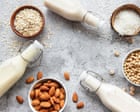
A new study warns that swapping dairy products for plant-based milk, cheese, and yoghurt could put people at risk of missing out on essential micronutrients, particularly iodine, calcium, riboflavin, and vitamin B12. This is especially concerning for young people and women, who already struggle with inadequate iodine intake. Researchers urge that vegan alternatives need to be fortified with these vital nutrients to avoid deficiencies.
The study, published in the Lancet Planetary Health, focuses on the UK market and shows that swapping a third of dairy intake for plant-based options could result in a significant drop in iodine levels, from 54% to 65% of adolescent girls and 32% to 42% of women aged 19 to 49 years old. While some plant-based alternatives are fortified with calcium and vitamin B12, only a small percentage are fortified with iodine or riboflavin.
The study suggests that requiring all non-dairy alternatives to be fortified with iodine could help prevent deficiencies. Experts advise checking labels and choosing fortified vegan milk alternatives, as well as incorporating other iodine-rich foods like white fish, eggs, and yoghurt into the diet.
Written by urgent.news from Guardian Health's reporting — not their text. Machine-written — may contain errors; check the original before relying on it.
This story
This is one outlet's version. Read the fullest account.