Sidra Medicine establishes Middle East’s first atlas of DNA variants shaping genome regulation
<p><em>Nature Genetics study creates a new resource to unravel genome complexity and advance precision medicine for Arab populations</em></p> <p>Doha, Qatar: Researchers at Sidra Medicine, a member of Qatar Foundation, have created the Middle East’s first population-scale atlas showing how genetic variation regulates gene activity in blood and tracing its effects to clinical traits.</p>…
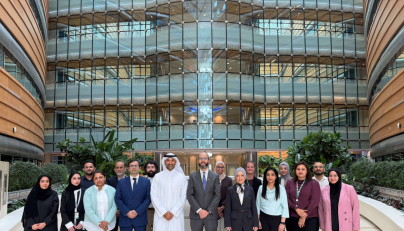
Sidra Medicine, a member of Qatar Foundation, has established the Middle East's first population-scale atlas of DNA variants that regulate gene activity, according to a study published in Nature Genetics. The research, led by Prof. Younes Mokrab, provides a valuable resource for advancing precision medicine and addressing a significant gap in global genomics.
The study, titled "A catalogue of transcriptome genetic regulation in a consanguineous Middle Eastern biobank," examines how genetic variation influences blood gene regulation and its connection to clinical traits. Researchers analyzed data from nearly 2,000 Qatar Biobank participants, combining whole-genome sequencing, whole-blood transcriptomics, and clinical information. They identified nearly 30,000 causal effects that control genome transcription and linked them to 20 clinical traits and disease pathways.
The researchers also explored the impact of consanguinity, which increases the likelihood of inheriting two copies of the same genetic variant. This can lead to unusual gene activity, extending the biological effects of consanguinity beyond direct protein-altering variants. Prof. Naeem, the study's first author, noted that the findings reveal consanguinity's impact on gene regulation, going beyond its established role in recessive genetic diseases.
This research represents a significant milestone in improving genomic test result interpretation and increasing the yield of genetic diagnoses through better annotation of non-coding variants. It also enables the development of ancestry-aware, functionally-informed polygenic scores for assessing complex disease risks and supports the discovery of new biomarkers and therapeutic targets.
Prof. Fakhro, the study's Chief Research Officer, emphasized that the research builds a valuable population-matched reference database for RNA data, complementing the extensive DNA resources already established for Qatar and the Middle East.
Written by urgent.news from The Peninsula Qatar's reporting — not their text. Machine-written — may contain errors; check the original before relying on it.