Shorter days and dark afternoons can trigger depression. Here's how to fight back
As winter approaches and daylight hours grow shorter, people prone to seasonal depression can feel it in their bodies and brains.
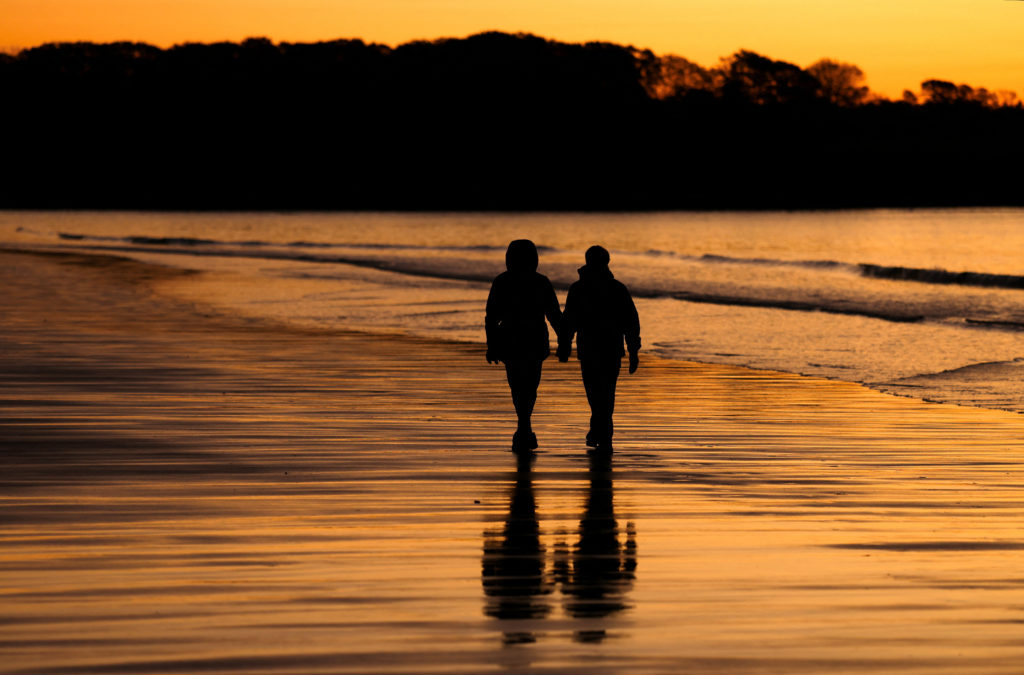
As winter brings shorter days and darker afternoons, individuals susceptible to seasonal affective disorder, or SAD, may experience the onset of depression. SAD is estimated to affect millions of people, with episodes typically beginning in the fall and subsiding in the spring or summer. A significant factor for SAD is the return to standard time in the fall, which results in darker afternoons.
A milder form, subsyndromal SAD, and a summer form of seasonal depression are also recognized by medical professionals, although less is known about the latter. Seasonal affective disorder was first described in 1984 by Dr. Norman Rosenthal, who coined the term, acknowledging the acronym's memorable nature. The exact cause of SAD remains unknown, though it affects more women than men.
Symptoms akin to depression include persistent feelings of hopelessness, difficulty concentrating, and impaired decision-making. Scientists are gaining insight into the role of specialized cells in our eyes, which convert blue light into neural signals that influence mood and alertness. When people with SAD absorb blue light, their alertness centers are activated, leading to heightened wakefulness and potentially improved mood.
A study conducted by researcher Kathryn Roecklein at the University of Pittsburgh found that individuals with SAD have reduced sensitivity to blue light, particularly during winter months, providing a potential explanation for the onset of winter depression. Exposure to bright light through light therapy has proven effective for many SAD sufferers.
Treatment often involves sitting in front of a specially designed light box for about half an hour in the morning, with the light measuring roughly 10,000 lux, significantly brighter than standard indoor lighting. These special lights can cost anywhere from $50 to over $400, and some products marketed for SAD may lack sufficient brightness.
Many insurance companies may cover the cost of these lights for patients diagnosed with SAD. In addition to light therapy, antidepressant medications and cognitive behavioral therapy (CBT) are recommended treatments. CBT, a form of talk therapy, has shown more long-lasting effects than light therapy alone. It involves working with a therapist to identify and modify negative thought patterns, helping individuals engage in enjoyable activities to break the cycle of winter depression.
Written by urgent.news from PBS NewsHour's reporting — not their text. Machine-written — may contain errors; check the original before relying on it.
This story
This is one outlet's version. Read the fullest account.