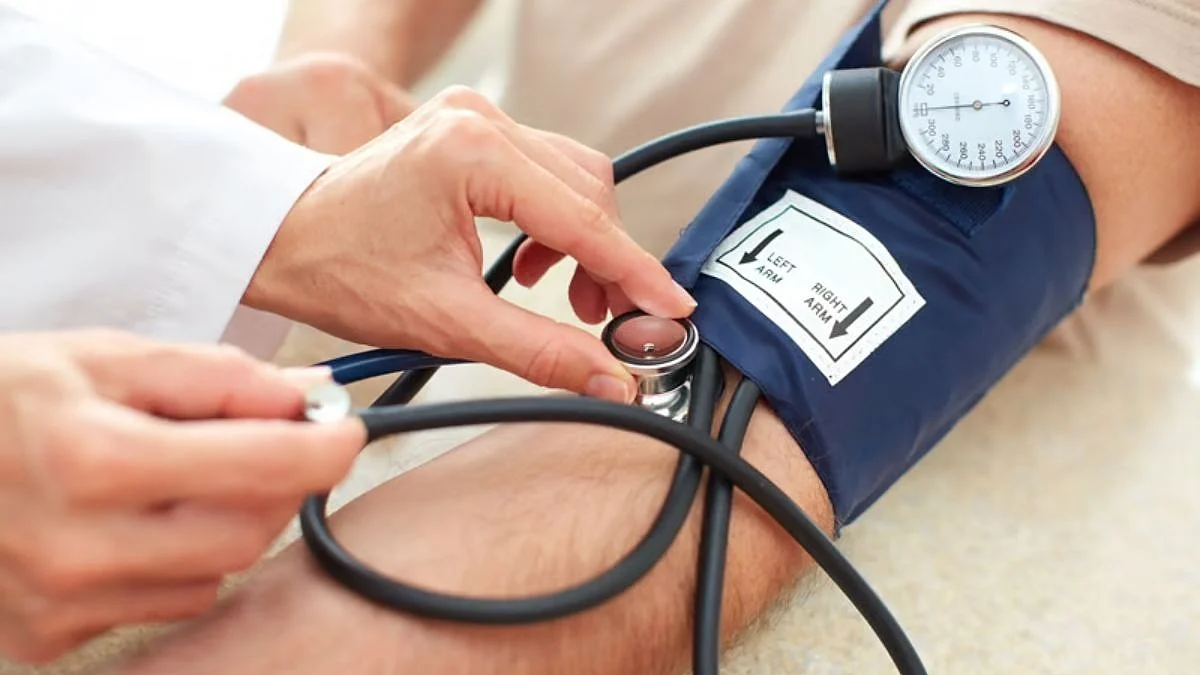
Shorter days and dark afternoons can trigger depression. Here's how to fight back
As winter approaches and daylight hours grow shorter, people prone to seasonal depression can feel it in their bodies and brains.
Winter's arrival brings shorter days and darker afternoons, which can trigger depression in susceptible individuals. Seasonal affective disorder (SAD) affects millions, causing episodes of depression that typically begin in the fall and subside in the spring or summer. A milder form, subsyndromal SAD, also exists. The disorder is more common in women than men, and symptoms include persistent feelings of hopelessness, difficulty concentrating, and making decisions.
The exact cause of SAD remains unknown, but researchers are studying how specialized cells in the eyes convert blue light into neural signals that affect mood and alertness. When these cells absorb less blue light, like during winter, it may contribute to wintertime depression.
One possible treatment is light therapy, which involves daily exposure to bright light for about half an hour in the morning. Devices emitting light roughly 20 times brighter than regular indoor light, with a brightness of about 10,000 lux, are recommended. Special lights can range from $50 to over $400, but some products marketed for SAD may not be effective.
Insurance coverage may be available for these treatments. Antidepressant medications are often the first-line treatment, along with cognitive behavioral therapy (CBT), which has been shown to have more durable effects than light therapy alone. CBT involves working with a therapist to modify unhelpful thoughts and develop coping strategies. Small, enjoyable activities and regular exercise can also help alleviate symptoms.
Written by urgent.news from PBS NewsHour Health's reporting — not their text. Machine-written — may contain errors; check the original before relying on it.
This story
This is one outlet's version. Read the fullest account.