Secret police files released in Hungary, 37 years after fall of communism
Hungary has opened communist-era secret police files to the public, in a controversial move the government says will help Hungarian society heal itself from the traumas of 45 years of communist rule.
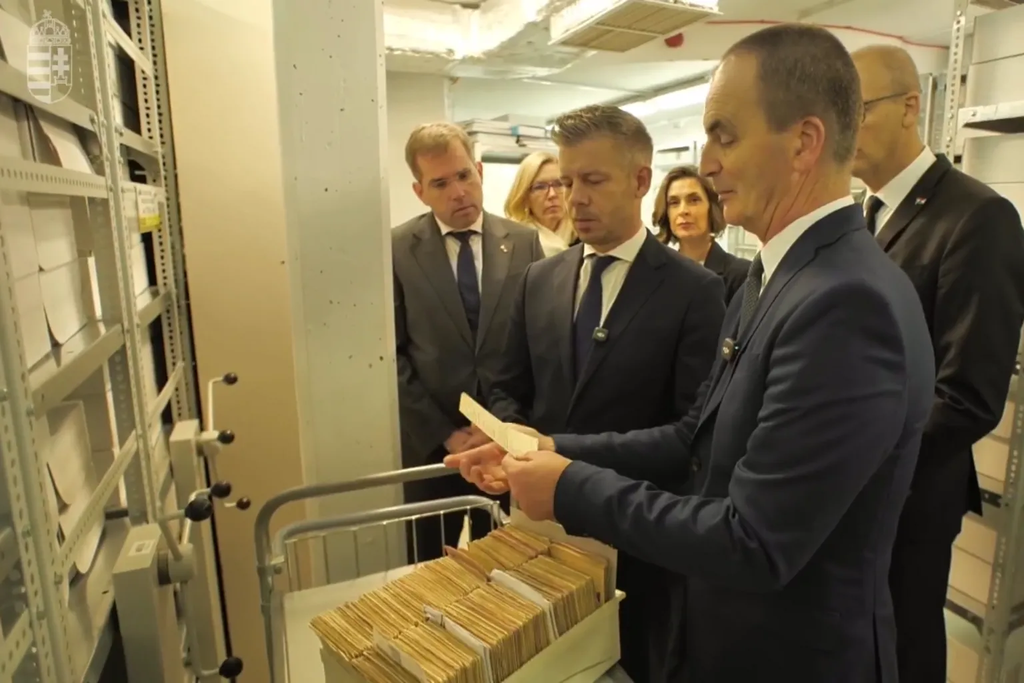
Hungary has recently made communist-era secret police files accessible to the public, sparking both praise and controversy. Prime Minister Péter Magyar believes this long-awaited publication will aid healing in Hungarian society from the traumas of 45 years of communist rule. However, critics argue the files are incomplete and that opening them too late risks causing family anguish and societal division.
The symbolic opening date coincides with the Soviet tanks' invasion in 1956, which quashed a short-lived Hungarian revolution. Prime Minister Magyar urged everyone to approach the documents with dignity and humanity, acknowledging many families will face difficult information related to deceased relatives. Over the past 36 years, around 60,000 people recruited by communist secret services became accessible on the nyitottaktak.hu website, featuring basic details like name, codename, birth date, address, and motive for recruitment.
Another set of files, the "B-dossiers," will be digitized and released on February 25, providing greater insight into the recruitment process and the value of the information provided. Critics emphasize the potential for hasty judgments and lack of understanding regarding the nuances of informer involvement. Around 150-160,000 people are estimated to have been recruited between December 1944 and February 1990, often under coercion and facing dire consequences.
Historian Krisztian Ungváry argues access to such information is a citizens' right and should not be controlled by those in power.
Written by urgent.news from MyJoyOnline Ghana's reporting — not their text. Machine-written — may contain errors; check the original before relying on it.