Scientists call on Ecuador to stop the rising trafficking of Galápagos iguanas
Ecuadorian authorities said they caught a Russian woman at the airport in Quito, the capital city, trying to smuggle 32 live marine iguanas, endemic to the Galápagos Islands. The iguanas — bound and stuffed in eight plastic boxes — were headed to Iceland. The dehydrated lizards were transferred to a conservation center in Pichincha for […]
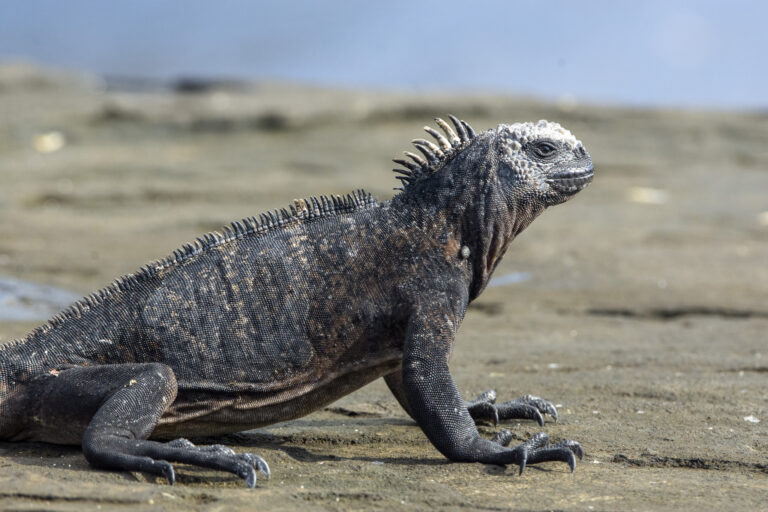
Ecuadorian authorities have caught a Russian woman at Quito's airport attempting to smuggle 32 live marine iguanas bound for Iceland. The lizards, stuffed in eight plastic boxes, were found in August and transferred to a conservation center for care. About a month later, 24 of the surviving iguanas were released back on the Galápagos, believed to have been stolen from their natural habitat.
In May, three Thai nationals were arrested with 12 young marine iguanas destined for Asian markets. Four cases of these lizards appearing mysteriously on Guayaquil's sidewalks were reported earlier that same month. Marine iguanas, a threatened species, are the only lizards capable of swimming in oceans and eating sea algae. There are about 11 known subspecies.
Ecuadorian law prohibits removing any wildlife from the Galápagos, and in 2025, these lizards were added to Appendix I of the CITES treaty, banning international commercial trade. Despite this, they continue to be smuggled, driven by demand for exotic pets in Europe and Asia. So far this year, authorities have confiscated nearly 50 marine iguanas, with international traffickers believed to be involved in the global commerce.
Written by urgent.news from Mongabay's reporting — not their text. Machine-written — may contain errors; check the original before relying on it.