Regierungsbildung in Israel: Herzog lotet nach Parlamentswahl Mehrheiten aus
Nach dem knappen Wahlausgang in Israel hat Präsident Herzog Gespräche zur Regierungsbildung aufgenommen. Ex-Militärchef Eisenkot könnte nach Medienberichten zuerst den Auftrag erhalten.
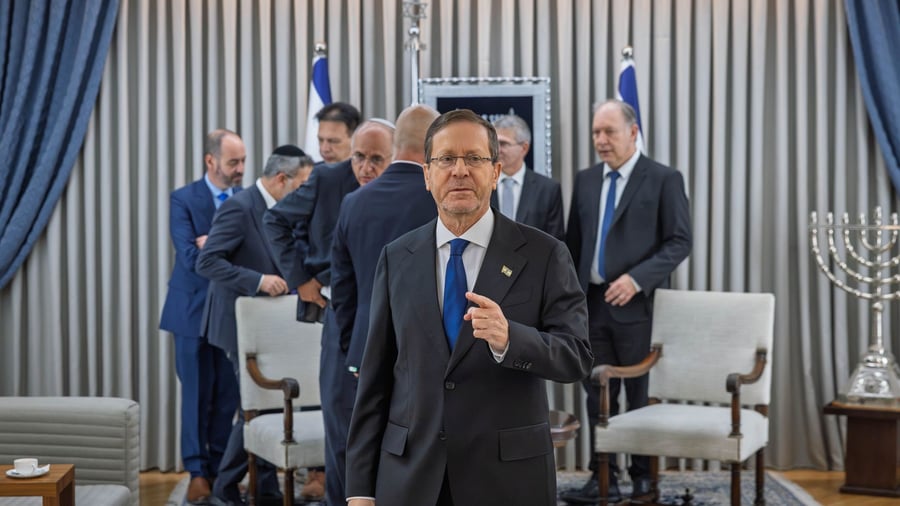
Following the official final results of Israel's parliamentary election, President Isaac Herzog began consultations to form a government. Representatives from all parties convened in his Jerusalem residence, with Herzog stating his intention to hold open, candid, and frank discussions with the faction representatives. He also planned to ask "difficult questions."
The close election outcome complicated government formation; Herzog expressed his hope for originality, creativity, courage, and good will to ensure Israel emerged as the winner. The strongest force following the October 27 election was the right-leaning Likud party led by Prime Minister Benjamin Netanyahu, securing 27 out of the 120 seats.
The Center Party Jaschar, headed by former military chief Gadi Eisenkot, came in second with 21 mandates. The centrist Beijachad alliance, comprising former Prime Ministers Naftali Bennett and Jair Lapid, received 12 seats. The Arabic-influenced United List and the Arab Raam Party each garnered 11 mandates. The Democrats and the Arab Raam Party each held eight seats.
Israel Beitenu, the right-extreme party, Ozma Jehudit, and the ultra-Orthodox United Torah Judaism each received seven seats. The ultra-Orthodox Shas and Religious Zionism each held six seats. Traditionally, the president assigns the task of forming a government to the candidate with the best chance of securing a parliamentary majority, not necessarily the leader of the strongest party.
Reports suggest that Eisenkot is likely to receive the initial mandate due to his potential to garner the most recommendations.
Written by urgent.news from Handelsblatt's reporting — not their text. Machine-written — may contain errors; check the original before relying on it.