NASA's Swift space telescope crashes back to Earth after failed rescue attempt
NASA's Swift space telescope crashed back to Earth today (Nov. 4), three months after a private spacecraft was supposed to boost the observatory to a higher orbit.
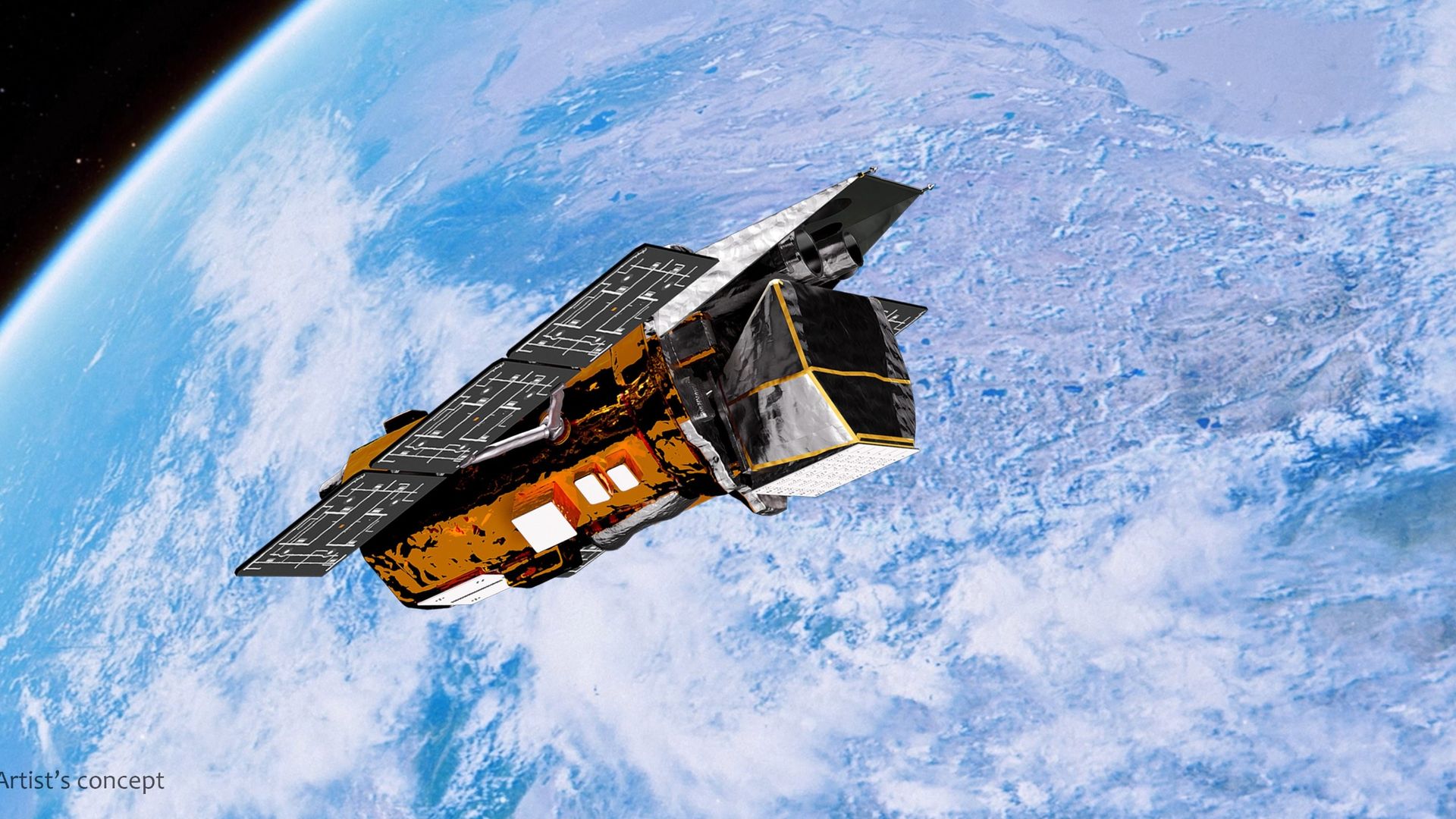
On November 4, 2026, NASA's Swift space telescope concluded its remarkable 22-year mission by crashing back to Earth, just three months after a private company planned to extend its operational life. The 3,200-pound observatory reentered Earth's atmosphere over northern Sumatra, with NASA officials predicting that most of the minibus-sized Swift would burn up upon reentry, with only a 1 in 2,100 chance of any surviving pieces harming someone on the ground.
Launched in November 2004, Swift was designed for a two-year mission to study gamma-ray bursts, but it far exceeded expectations, gathering data on over 2,000 GRBs and 1,400 supernovas. Despite the rescue mission's failure, NASA praised the technology advancements and the lessons learned from the project, noting that Swift's crash was not unusual, as at least three large objects fall back to Earth daily.
Written by urgent.news from Space.com's reporting — not their text. Machine-written — may contain errors; check the original before relying on it.
This story
This is one outlet's version. Read the fullest account.
- NASA’s Swift telescope plunges back to Earth scientificamerican.com
- Nasa's Swift satellite telescope heads for fiery re-entry 22 years after launch dawn.com
- NASA’s Swift satellite telescope heads for fiery re-entry 22 years after launch investing.com
- NASA Swift satellite telescope heads for fiery re-entry 22 years after launch dailytimes.com.pk
- NASA's Swift space telescope plunges to Earth after 22 years in orbit cbc.ca
- Goodbye Swift: After 22 years, NASA spacecraft burns up in atmosphere science.org