Mónaco convence con 'mano dura': las multas a UBS y Julius Baer sacan al Principado del radar internacional antiblanqueo
El organismo internacional GAFI avala las reformas del Principado y levanta la supervisión reforzada tras más de dos años. Sale de forma oficial de la "lista gris" del organismo. Leer
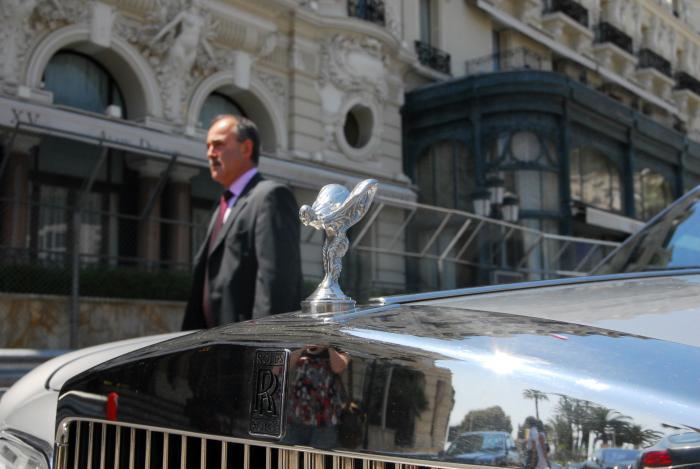
The international watchdog GAFI has removed Monaco from its list of jurisdictions under anti-money laundering surveillance, marking the Principality's exit from the grey list after more than two years of intensified monitoring. The decision, made at a Parisian assembly, comes after Monaco complied with the regulatory reforms set out by the GAFI.
Monaco, home to the globe's highest concentration of billionaires, had been placed on the grey list in June 2024 due to shortcomings in its anti-money laundering mechanisms. A technical visit by the supervisory body in early September confirmed that Monaco had fully met its commitments under the action plan, leading to its expulsion from the list.
The unanimous approval from GAFI underscores the structural improvements in Monaco's approach to money laundering and tax fraud. The country has bolstered its understanding of money laundering risks and enhanced its ability to identify and intervene with criminal assets. Notably, the restructured Monegasque Financial Security Authority (AMSF), led by former Tracfin official Bruno Dalles, has increased its staff to prepare for a potential 80-person workforce by the end of 2026.
This modernization has led to a significant rise in alerts for suspicious transactions, supported by greater external involvement from notaries and casino operators.
The tightening of the punishment system has also played a crucial role in convincing the global regulator. In the past two years, ten financial entities in Monaco received administrative fines totaling 10 million euros, including 6 million euros in fines for UBS Monaco, 1.5 million for Julius Baer Wealth Management Monaco, and 1 million euros for Banque Havilland (now Moncrief Private Bank).
Additionally, Monaco has established a specialized unit for managing confiscated assets, currently holding nearly 434 million euros in properties, including 167 million in real estate. This move not only clears the principality of the economic threat it faced but also restores international credibility to its institutions, demonstrating a commitment to maintaining controls for the long-term effectiveness of its preventive framework.
Written by urgent.news from Expansion ES's reporting — not their text. Machine-written — may contain errors; check the original before relying on it.