GOP's redistricting firewall pummeled by blue wave
Republicans tried to save their House majority with a bold wave of mid-cycle redistricting. It failed in spectacular fashion on Tuesday. Why it matters: Republicans not only fell short of winning seats in several districts they redrew to favor their candidates, they put some GOP incumbents in danger of losing by spreading their support thin. Rep. Scott DesJarlais (R-Tenn.), who has mostly won…
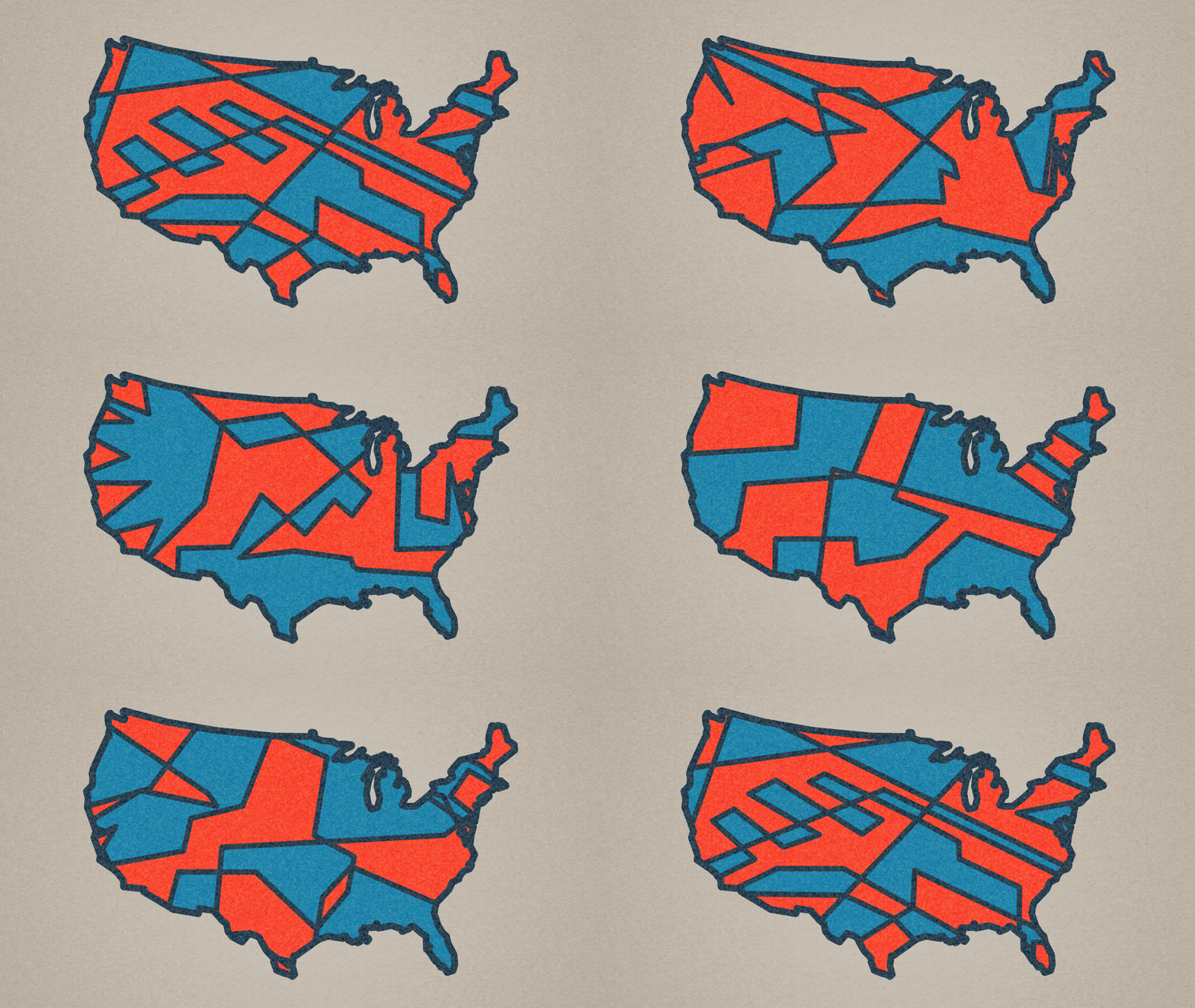
Republicans attempted to bolster their House majority through strategic mid-cycle redistricting, but their efforts unraveled on Tuesday. Unfortunately, they not only fell short of securing seats in several districts they had redrawn to their advantage, but also endangered some of their existing incumbents by dispersing their support too thinly.
Tennessee Representative Scott DesJarlais, who had secured landslide victories since his first term in 2010, narrowly lost his reelection bid by just 200 votes. This loss came despite the state legislators reshaping his district, making it approximately 20 percentage points less favorable to Republicans. Despite their efforts, Republicans only managed to pick up one Democratic district in Tennessee, resulting in several expected losses in other states.
In Florida, Republicans failed to unseat all four targeted Democratic representatives and failed to secure a new seat won by Democrat Pia Dandiya. Texas saw Republicans narrowly winning only one out of the five heavily redrawn districts, while Democrats retained several seats in the Rio Grande Valley and San Antonio areas. Ohio's Democratic representatives, Greg Landsman and Marcy Kaptur, managed to maintain their seats despite Republicans attempting to shift them to more hostile environments.
Alabama's Democratic Representative Shomari Figures is expected to secure a comfortable victory in a district Republicans had targeted for a switch. In Louisiana, the Democratic nominee in the district held by retiring Democrat Representative Cleo Fields will face a runoff election against Republican Gabe Firment, following significant changes made to the district by Republicans.
North Carolina has seen Democrats make multiple apparent wins in traditionally Republican districts, as the party benefits from the strong performance of newly elected Governor Roy Cooper. This could result in the flipping of several seats, possibly changing the delegation's majority from 10-4 Republicans to 9-5 Democrats. Furthermore, Virginia's Republican representative, Virginia Foxx, who chairs the House Rules Committee, is trailing her Democratic opponent by around 100 votes.
Overall, the North Carolina outcome can be attributed to a challenging gerrymandering strategy by Republican state legislators, who diluted previously solidly Republican districts to redraw others in favor of Democratic representatives. Former Democratic Representative Kathy Manning believes the outcome is a direct consequence of the GOP's misguided redistricting efforts, emphasizing that the Republicans' attempts to break norms and consolidate power have ultimately backfired.
Written by urgent.news from Axios's reporting — not their text. Machine-written — may contain errors; check the original before relying on it.