Cinema, legge bipartisan alla prova delle deleghe, via alla nuova Agenzia
Il cinema incassa l’unanimità del Senato, ma la riforma dovrà conquistare la prova dell’attuazione visto l’affidamento ai decreti legislativi di buona parte degli interventi su aiuti e lavoro. Il via...
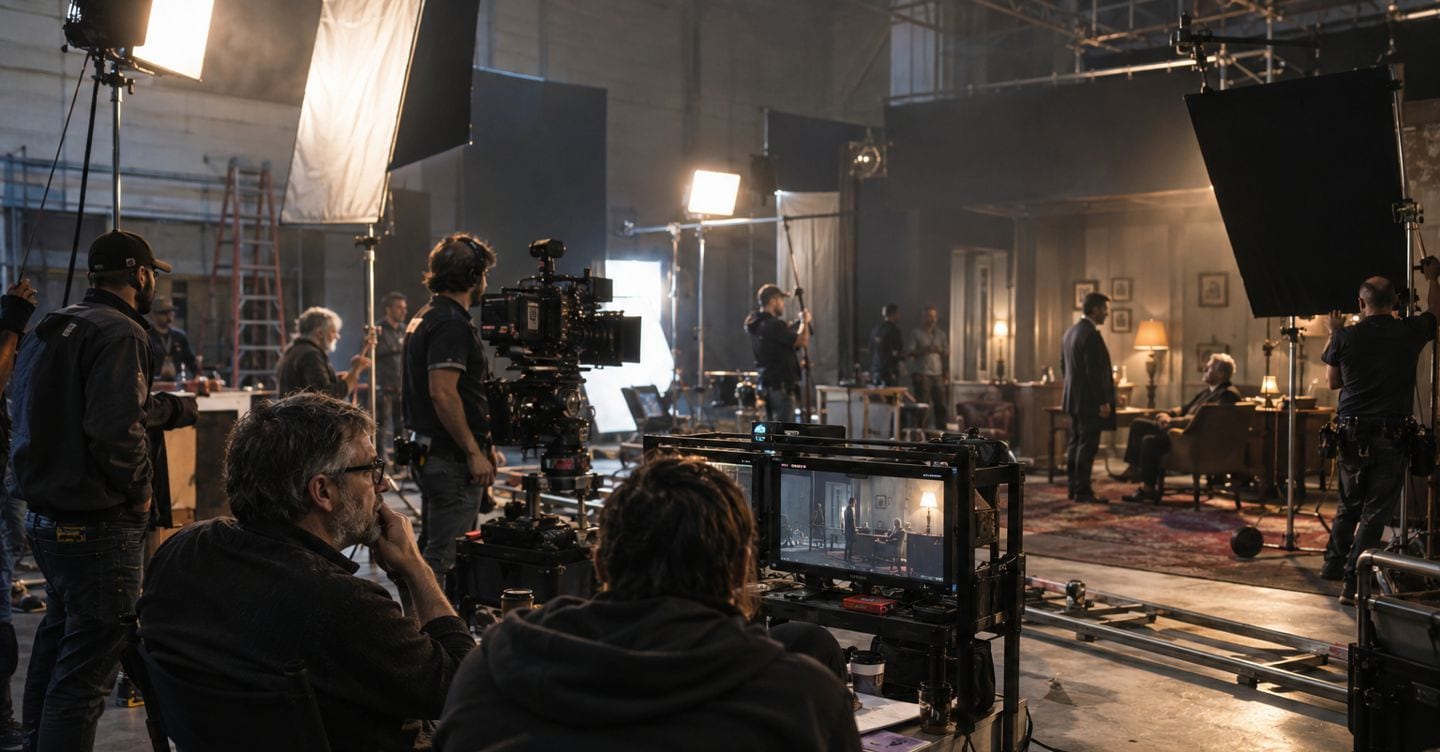
The bipartisan cinema legislation has passed through the Senate, and the new Agency for cinema and audiovisual is set to become operational from January 1, 2028. The bill, proposed by the Democratic Party's Elly Schlein and supported by the majority, combines the agency proposed by Schlein with government-backed delegations. The unanimous vote in the Senate is hailed as a "historic result" by Culture Minister Alessandro Giuli, who emphasizes the shared path between the majority and opposition for the benefit of all stakeholders in the industry.
However, Sottosegretaria Lucia Borgonzoni claims that the government has done a lot for cinema by recovering promised funds, with 70 million euros this year and 150 million next year. The Agency for cinema and audiovisual, a non-economic public entity with organizational, patrimonial, financial, and managerial autonomy, will absorb the operational functions of the Cinema Directorate General.
It will coordinate Film Commissions, attract foreign productions, measure the results of expenditures, and operate under parliamentary scrutiny and strategic supervision within the Ministry of Culture. The agency's director will be appointed by the Minister of Culture, subject to a two-thirds majority parliamentary approval. The delegation requests resources and windows for defined requests, with clear terms for procedures and tax erogations.
The delegation also calls for controls on the appropriateness of costs and against abuses, with the resources modulated according to the size of the enterprises, with limits on selective contributions for works over 5 million euros and bonuses and reserves for independent production. Other highlights include the reopening of cinemas, anti-piracy measures, rules on AI, consent for the use of artistic performances, and protection of rights.
Authors express frustration, stating that the model of the French CNC, a truly autonomous body, was not considered for the agency.
Written by urgent.news from Il Sole 24 Ore's reporting — not their text. Machine-written — may contain errors; check the original before relying on it.