Chartbook 483 After the midterms: How does America come down from Trump’s “speedball economy”?
The dramatic landslide for the Democrats in the 2026 midterms confirms the common sense amongst Trump’s critics that his economic policies made no sense in political terms.
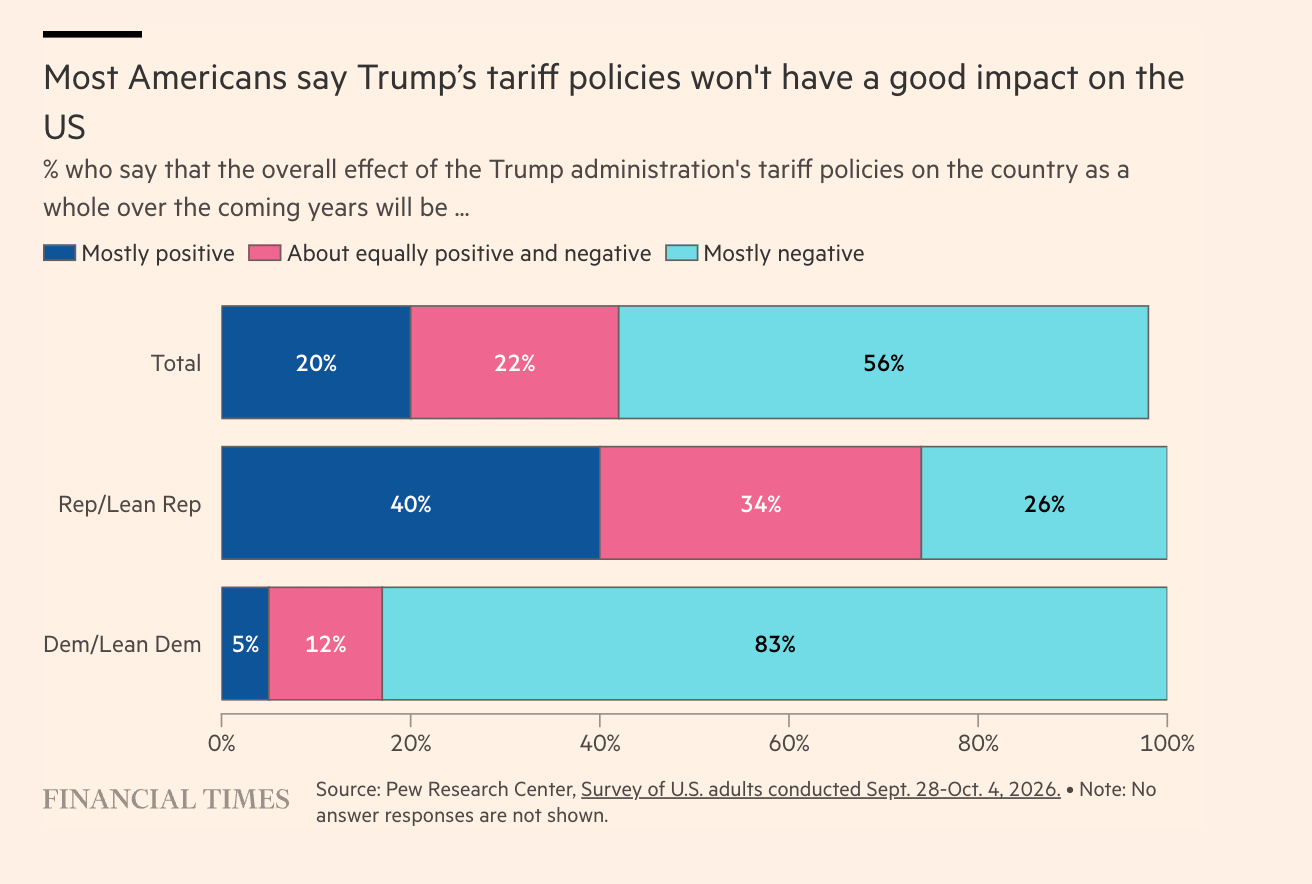
The Democrats' overwhelming victory in the 2026 midterms highlights the widespread dissatisfaction with President Trump's economic policies, according to wire reports. Americans are chiefly worried about the rising cost of living, feeling aggrieved by oligarchic privilege and corruption. The Immigration and Customs Enforcement (ICE) agency is unpopular among key demographics, and many voters are repulsed by America's international conflicts. Despite this, Trump's second term has managed to unite a substantial anti-MAGA coalition.
Trump's economic nationalism, characterized by erratic tariffs and harsh ICE deportations, might attract a minority of supporters, but it alienates the average American voter. The president has facilitated uncontrolled corporate exploitation and unchecked growth, which are viewed negatively by the majority who do not closely monitor stock market fluctuations. While some may find the oligarchs appealing due to stock market speculation, in the broader context, they are widely despised.
Artificial Intelligence (AI) data centers were a significant issue in the election, suffering a major setback. Wall Street analysts were watching Texas not because of the historic blue wave, but due to the 60 GW of data center capacity and $200 billion in investment at risk. Fiscal policies were largely absent from the election discourse, with no candidates campaigning on the deficit.
However, tax breaks for the wealthy in the One Big Beautiful Bill further emphasized the disconnect between the Trump administration and the majority of Americans, who struggle to afford skyrocketing expenses, particularly healthcare.
Although healthcare is currently driving substantial job growth in the US economy, its economic practices form a slow-burning scandal with macroeconomic implications. Furthermore, the ongoing conflict with Iran and the resulting surge in fuel prices significantly impact various sectors of American society that rely on transportation and logistics.
Written by urgent.news from Chartbook's reporting — not their text. Machine-written — may contain errors; check the original before relying on it.