Campaigns are investing in creators. What does that mean for voters?
Political influencers are reshaping election campaigns through podcasts, paid posts, and voter outreach. Here's how creator partnerships work and who funds them.
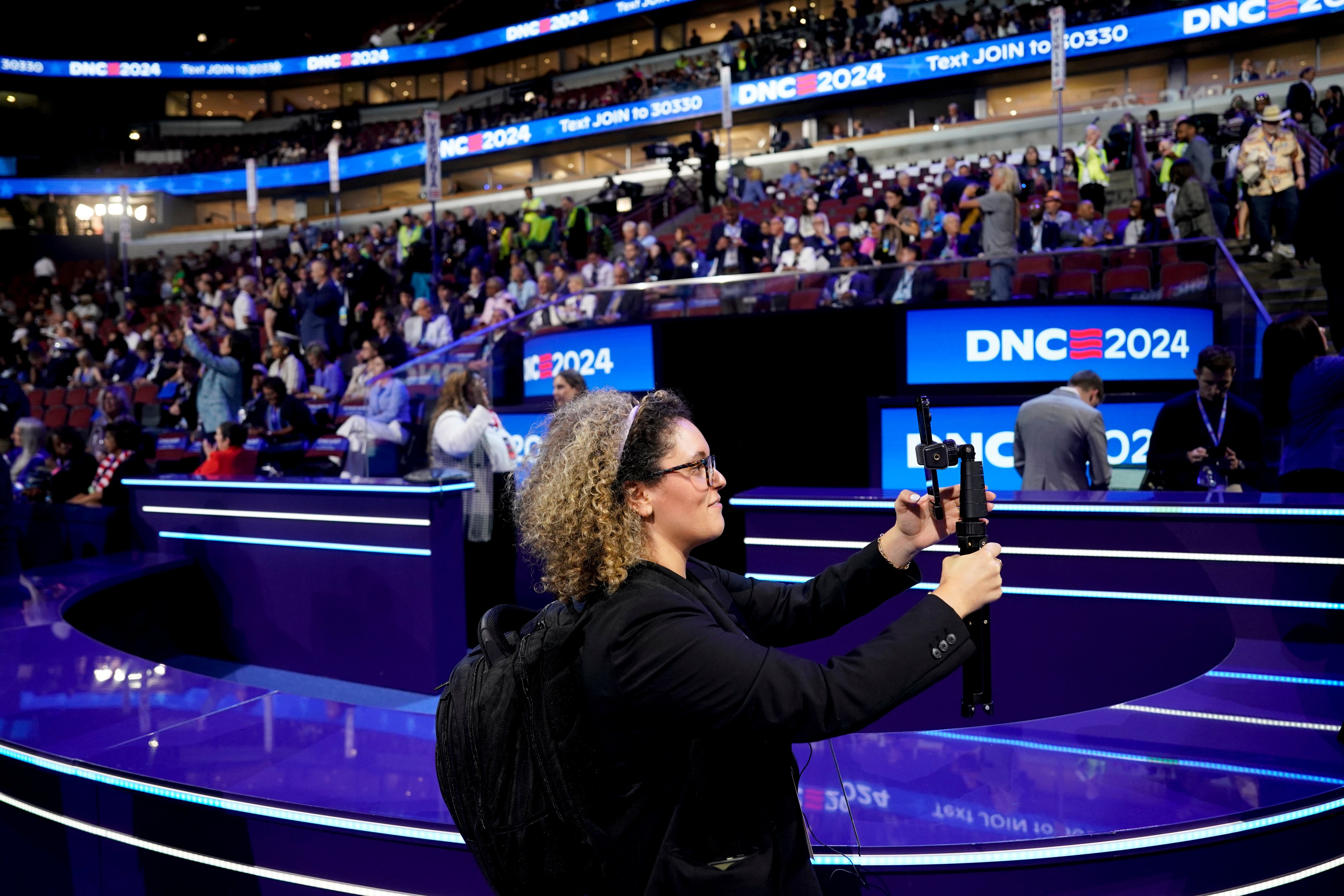
In the digital age, campaign strategies are evolving to include collaborations with online influencers, a trend that holds implications for voters. These creators, whose content spans from beauty tutorials to podcast clips, are being enlisted to incorporate voting reminders and candidate interviews into their daily posts. Campaigns are paying these influencers to help reach voters, while advocacy groups provide training, research, and financial support.
The 2026 midterms serve as a prime example of these influencer relationships in action. Campaigns brief influencers on competitive races and collaborate on posts, while creators like Leigh McGowan, known as PoliticsGirl, incorporate voter-registration reminders into their content. Beauty creator Gabriel Zamora, part of When We All Vote's Voting Squad, has successfully merged his GRWM (Get Ready With Me) makeup videos with voter-registration reminders.
While these creator partnerships provide campaigns access to audiences who might otherwise tune out politics, they also present a challenge. A voter-registration reminder, a candidate interview, and a paid campaign post can all appear in the same feed, blurring the lines between political content and typical social media posts. Understanding who funds this content and what they expect in return is becoming an essential part of following politics online.
According to Pew Research Center's 2025 survey, 21% of U.S. adults regularly consume news from news influencers, with 38% of adults aged 18 to 29 being among them. Among regular consumers, 69% discovered this news organically, rather than actively seeking it out. A separate Morning Consult survey showed that 26% of U.S. adults said creator posts influenced their voting decisions, while 56% attributed it to shaping their views on political or social issues.
In this influencer economy, organizations like When We All Vote, Chorus, YALLvote, and Gen-Z for Change are working with creators to advance civic engagement and political advocacy. Their goals range from nonpartisan voter participation to supporting progressive causes and candidates. These collaborations take various forms, from using "thirst traps" to recruit poll workers, as seen with Leigh McGowan and Alex Cascio, to incorporating voter-registration reminders into beauty routines, as done by Gabriel Zamora with When We All Vote's Voting Squad.
Progressive commentator Harry Sisson provides short political reactions and operates a daily political podcast, while left-wing Twitch streamer Hasan Piker's longer livestreams allow him to dive deeper into unfolding events. Political advocacy can also extend offline, with Piker joining Michigan Senate candidate Abdul El-Sayed at university rallies.
Candidate interviews are another effective way to reach audiences, providing politicians with a platform to make their case to a host's listeners, although a simple guest appearance does not necessarily establish a paid campaign relationship.
Written by urgent.news from Mashable's reporting — not their text. Machine-written — may contain errors; check the original before relying on it.