Brain structure carries clues about who prefers instant gratification, study suggests
Would you take $20 today or $50 next month? A new brain imaging study suggests the answer may be partly reflected in the volumes of brain regions tied to reward and long-term planning.
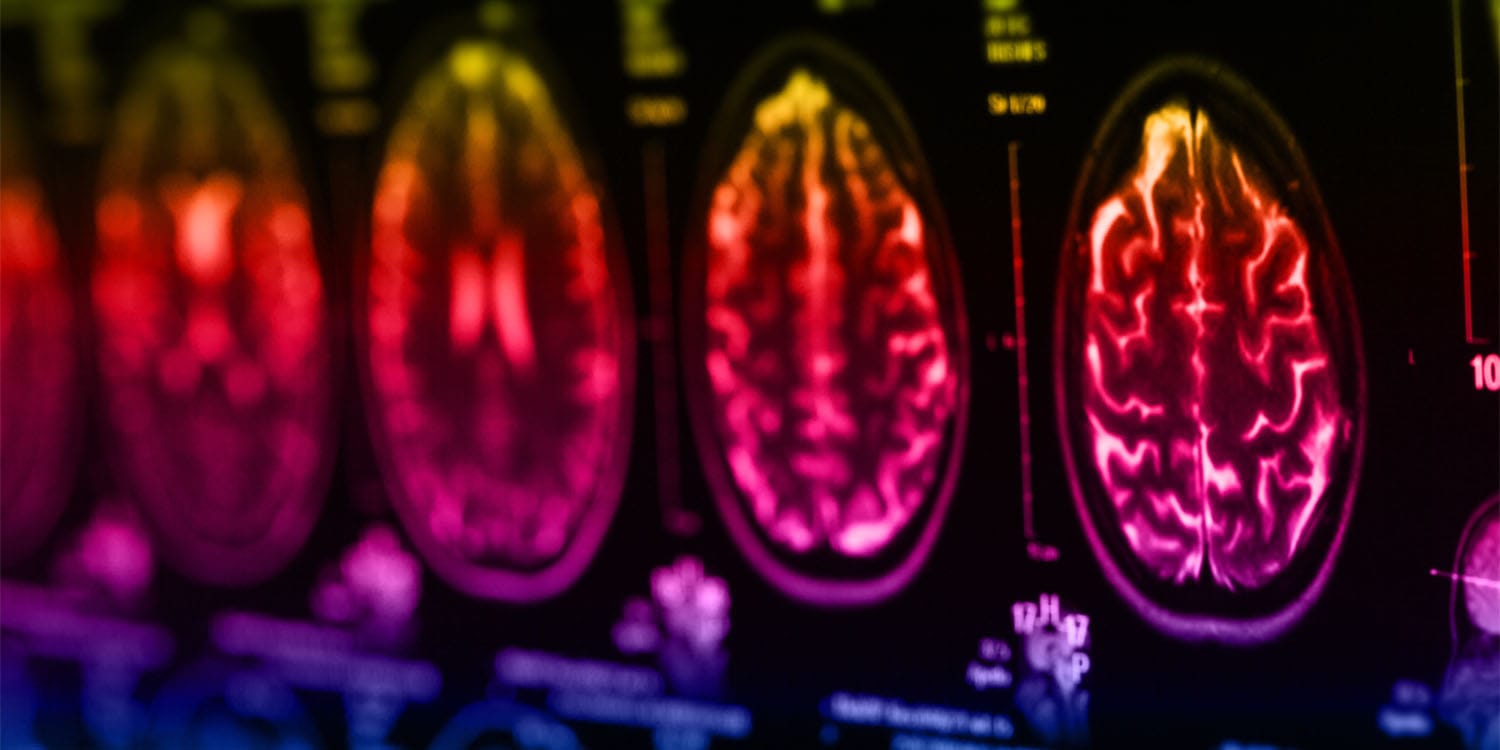
A brain imaging study of 146 young adults indicates that specific brain region volumes may predict a person's preference for immediate rewards over future ones. Regions involved in reward processing and long-term planning were key in these predictions. Delay discounting, which is the tendency to reduce the subjective value of a reward over time, varied greatly among participants.
This trait is associated with mental health conditions such as substance use disorders, ADHD, and borderline personality disorder, as well as with low discounting observed in anorexia nervosa and older adults with higher suicidal tendencies. Researchers hope that understanding brain structure may help shift decision-making traits in treatment and that the physical structure of the brain, which changes more slowly than brain activity, could serve as a reliable indicator of a person's delay discounting tendencies.
Written by urgent.news from PsyPost's reporting — not their text. Machine-written — may contain errors; check the original before relying on it.