Bluetooth is getting a big boost to data transfer speeds
The Bluetooth Special Interest Group (SIG) that oversees the wireless standard has formally adopted Bluetooth High Data Throughput (HDT) as an optional feature of the Bluetooth Core 7.0. It's an upgrade the Bluetooth SIG has been previewing over the past year that increases Bluetooth LE's maximum supported bit rate from 2 Mbps to 7.5 Mbps. […]
The Bluetooth Special Interest Group (SIG) has officially approved an upgrade to Bluetooth Low Energy (LE) called Bluetooth High Data Throughput (HDT). This enhancement nearly quadruples the maximum bit rate of Bluetooth LE, raising it from 2 Mbps to 7.5 Mbps. This upgrade was previewed by the Bluetooth SIG over the past year. HDT will improve audio streaming quality, boost battery life, and enhance reliability.
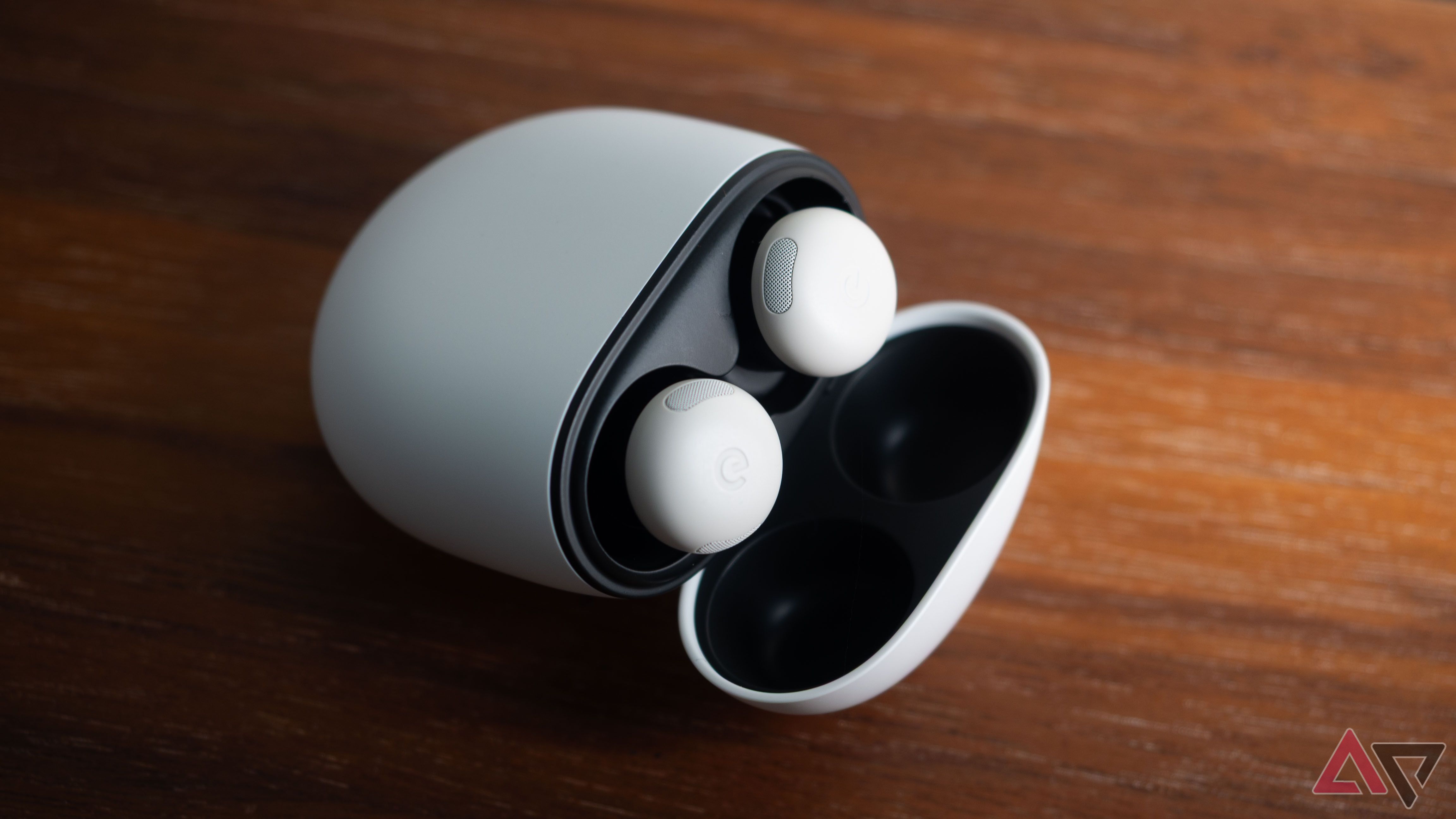
Initially, it will primarily benefit wireless audio devices, with first-generation devices expected by 2027. The increased bit rate will facilitate high-resolution audio and advanced wireless audio experiences, like spatial audio and multi-channel surround sound, without requiring unique wireless formats.
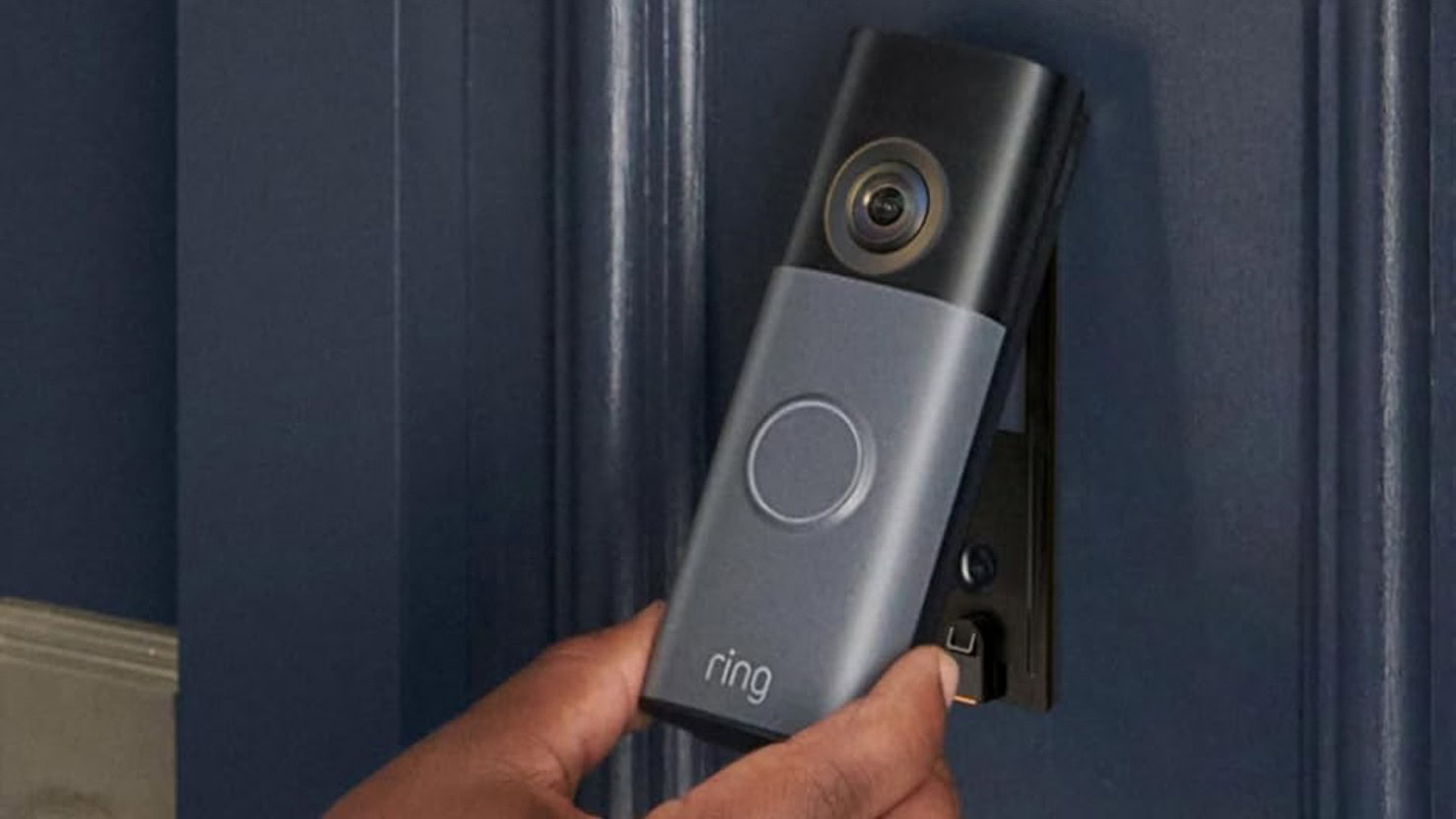
Beyond audio devices, HDT will positively impact other Bluetooth-enabled gadgets. Smartwatches can transfer more health, fitness, and training data to smartphones without compromising battery life due to HDT's ability to transfer more data quickly, reducing the time the Bluetooth radio stays active. Spatial computing and extended reality devices could deliver more immersive experiences without needing a Wi-Fi connection.
HDT will also aid personal AI devices by enabling more efficient data processing by smartphones, allowing these devices to be slimmer and less power-hungry. Even updating the firmware on smartwatches or smart home accessories could become quicker and less of a task for users. Neville Meijers, the CEO of the Bluetooth SIG, highlighted that Bluetooth HDT introduces a new level of performance to Bluetooth technology, expanding its role in consumer, commercial, and industrial markets, and establishing a robust foundation for future wireless innovations.
Written by urgent.news from The Verge's reporting — not their text. Machine-written — may contain errors; check the original before relying on it.