Vehicles do not commit crimes: Registered-Owner liability, the presumption of innocence, and the legality of TRAFFITECH-GH
The legitimacy of an enforcement system depends not only on the soundness of its objectives but on the lawfulness of its methods. TRAFFITECH-GH pursues a vital public purpose, yet in its present form it substitutes a register of title for proof of conduct and asks the citizen to prove his own innocence. Ghanaian criminal law knows no general doctrine of vicarious liability that would justify the…
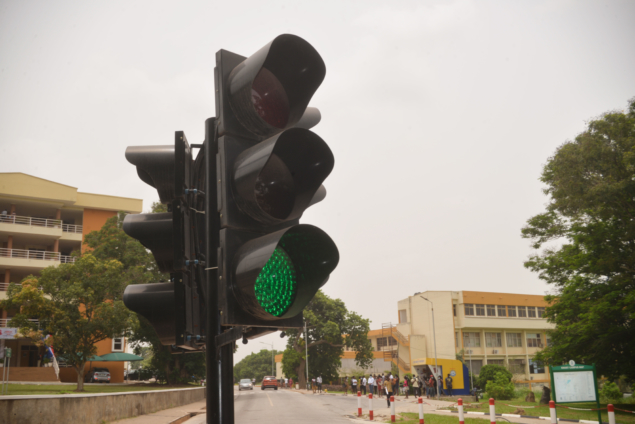
The Ghana Police Service implemented TRAFFITECH-GH on November 1, 2026, as an automated traffic enforcement program. This program utilizes cameras to issue Electronic Notices of Violation to registered vehicle owners detected committing road traffic offences. The article challenges the assumption that the registered owner committed the offence.
Firstly, criminal liability in Ghana attaches to individuals based on their own conduct, not vehicles or their holders. Secondly, Ghanaian law does not recognize a general doctrine of vicarious criminal liability to hold registered owners criminally liable for employees, agents, borrowers or unregistered transferees. Thirdly, the identity of the driver is an essential element of the offence, which the prosecution must establish beyond reasonable doubt.
Lastly, an enforcement regime that presumes the owner's guilt without a clear Act of Parliament reversing the burden of proof is contrary to the law and the 1992 Constitution of Ghana.
Written by urgent.news from MyJoyOnline Ghana's reporting — not their text. Machine-written — may contain errors; check the original before relying on it.