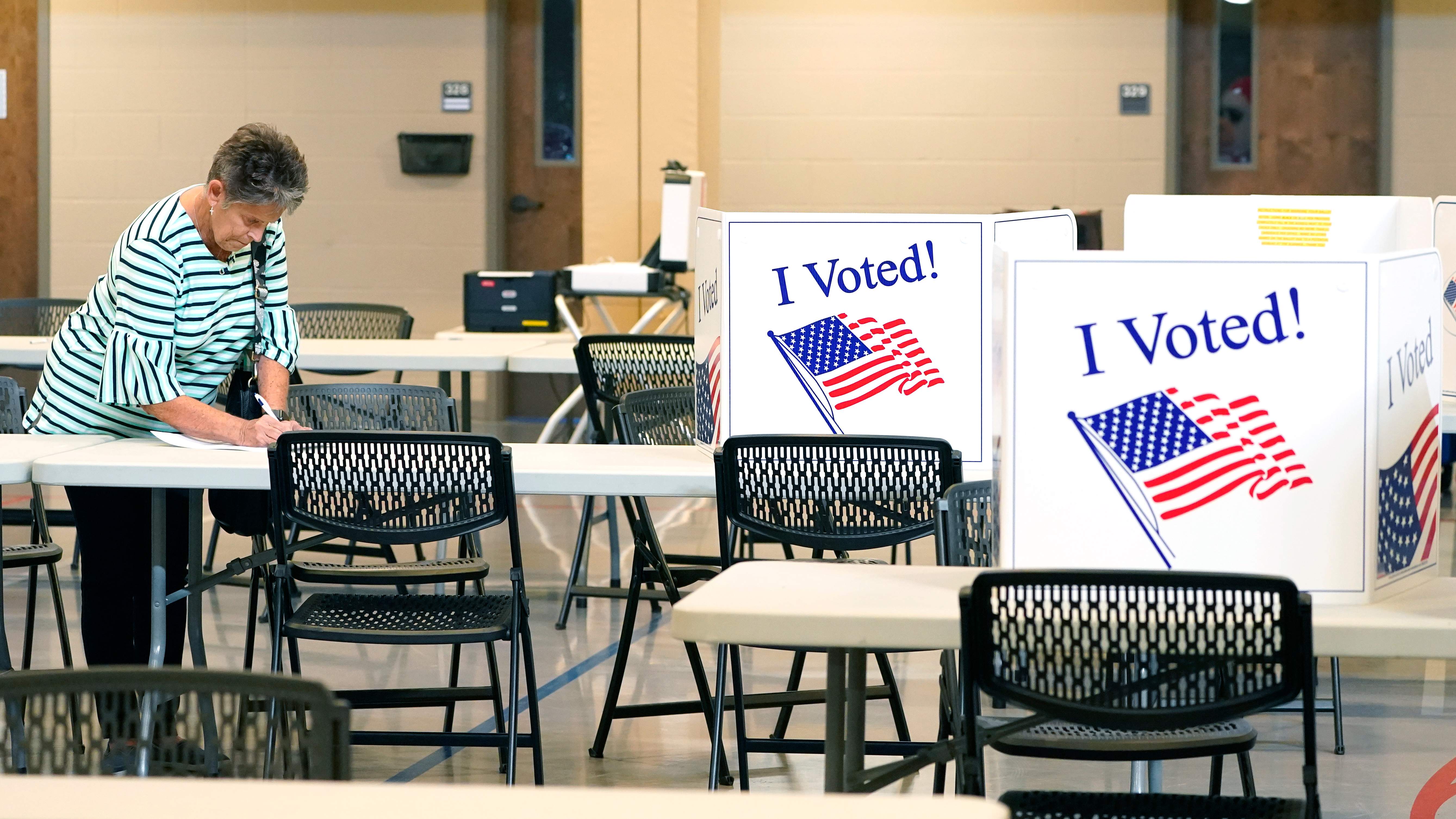
The Voters Sitting This One Out
They could help determine the balance of Congress.

Over the past decade, Andrew Leyva, a 39-year-old blinds installer from Arizona, voted for Donald Trump, believing the businessman would improve the lives of working-class individuals. Leyva envisioned lower gas prices, reduced government spending, and minimized influence from the wealthy. However, after Trump's second term, he realized he had been misled.
Leyva now spends twice as much on gas as before, often paying $300 a week. He will not vote in upcoming elections, deeming it pointless. Leyva's sentiments mirror those of many disillusioned Americans who have lost faith in the political system. Despite a surge in voter participation during Trump's presidency, many now feel their votes won't make a difference.
This has led to a decline in voter turnout, particularly among those who initially supported Trump but have since grown disillusioned. The gravity of decisions made by uninvolved voters, especially in tight races and swing states, is significant. Republican campaigns are struggling to motivate their base, who now question whether voting has any value.
Similarly, some Democrats who voted in 2024 also lack motivation, as they see no positive change in their lives. The lack of confidence in the electoral system, exacerbated by Trump's persistent claims of election fraud, has further contributed to the decline in voter engagement. Overall, the decision to sit out this election could have substantial consequences for the balance of power in Congress.
Written by urgent.news from The Atlantic's reporting — not their text. Machine-written — may contain errors; check the original before relying on it.