PETG is the filament I'd tell every beginner to start with instead of PLA
A better choice for more reasons than one.
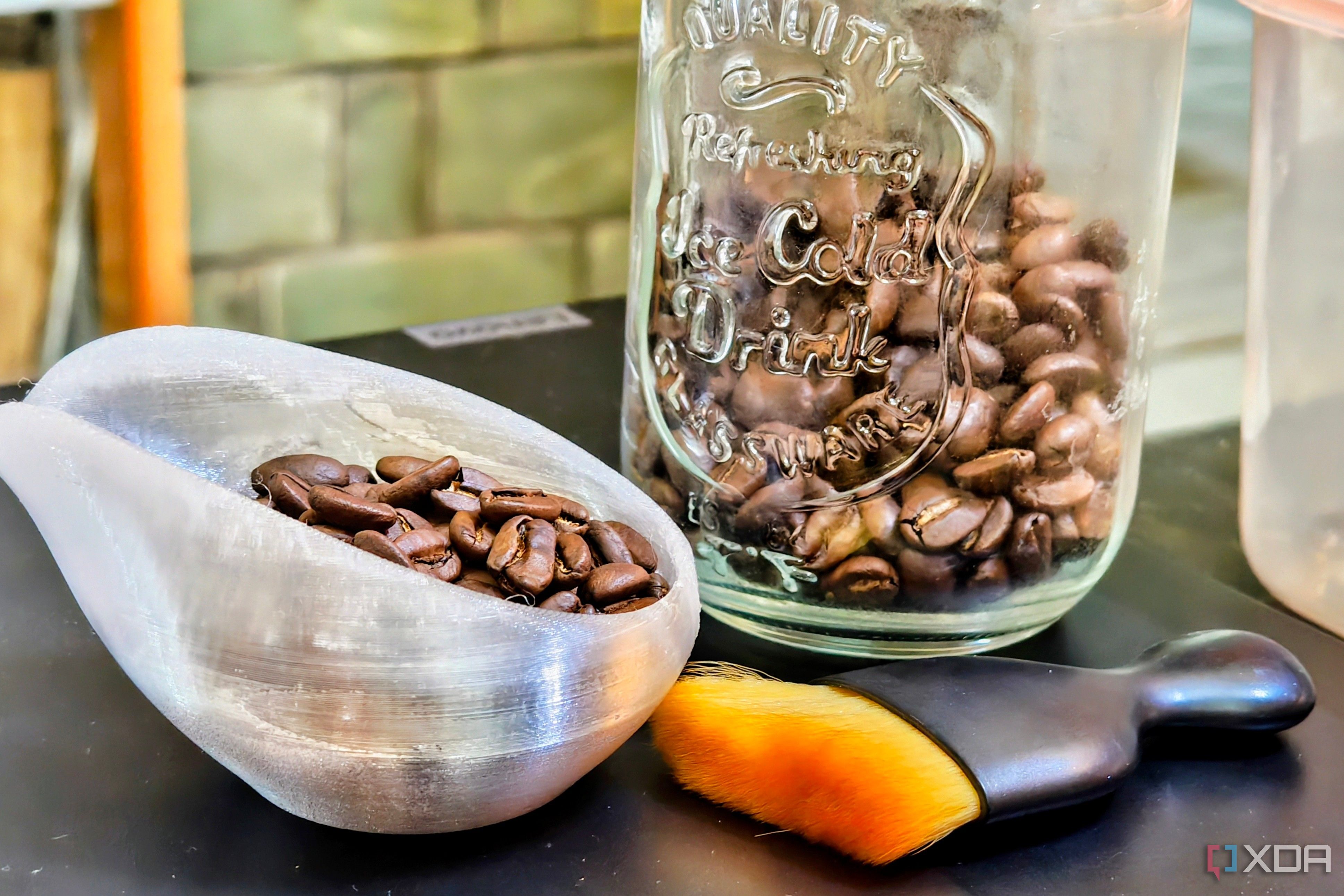
When I first started 3D printing, I didn't give much thought to the black PLA filament that came with most entry-level printers. While I printed simple tests like Benchy and calibration cubes using it, I soon realized it wasn't ideal for creating functional parts that would hold up to everyday wear and tear. PLA is prone to heat and is brittle, so over time, I switched to PETG for more durable, real-world applications.
PETG is a glycol-modified polyethylene terephthalate that has better heat tolerance, impact toughness, and elongation at break than PLA. It's perfect for outdoor brackets, non-critical automotive accessories, and other items that need to withstand the elements. However, beginners should be aware that PETG can be challenging to print with, especially when it comes to bed adhesion and moisture issues.
To successfully print with PETG, you need to properly prepare your print bed. A powder-coated textured PEI plate or a satin build sheet is recommended to prevent PETG from bonding too strongly to the bed. If you only have a smooth PEI sheet, glass bed, or G10 Garolite plate, you can apply a thin layer of PVA glue or ammonia-based glass cleaner to the surface before printing.
Additionally, PETG is hygroscopic, meaning it absorbs moisture from the air, so it's essential to dry your filament before printing. Baking PETG spools at 60°C to 65°C for six hours and storing them in sealed desiccant boxes can help eliminate moisture-induced oozing.
While PETG is generally stronger than PLA in tensile strength and impact toughness, it has a lower raw static tensile strength. However, PETG's higher elongation at break and inter-layer adhesion make it ideal for snap-fit tabs and other working parts. It also has better thermal endurance, with a glass transition temperature of 75°C–85°C compared to PLA's 55°C–60°C.
In conclusion, for beginners, it's essential to start with PETG and invest in a filament dryer, proper bed preparation, and a dedicated slicer profile for each printer and color. While PLA has its benefits for certain projects, investing time in mastering PETG will ensure your prints are durable, weather-capable, and capable of holding loads in various environments.
Written by urgent.news from XDA Developers's reporting — not their text. Machine-written — may contain errors; check the original before relying on it.