Nvidia orders data center clients to reduce China exposure
Nvidia's cloud computing clients must now sell at least 51% of their services to non-Chinese companies, the Financial Times (FT) reported.
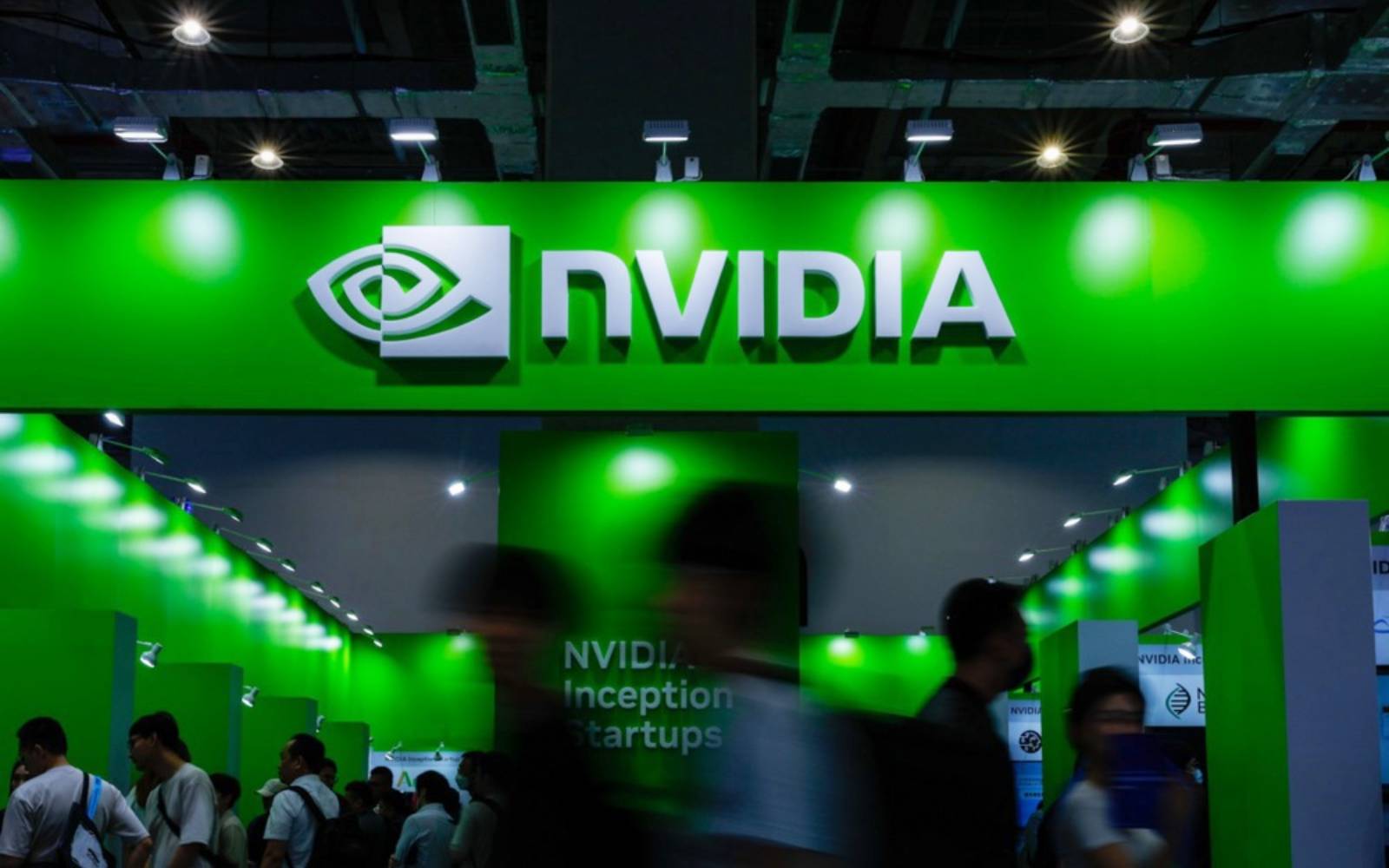
US chipmaker Nvidia is instructing its data center partners to reduce collaboration with Chinese clients, according to a report by the Financial Times. The new regulations pertain exclusively to upcoming contracts, not current agreements, the report indicated. Nvidia's cloud computing clients are now required to allocate a minimum of 51% of their services to non-Chinese entities, based on information from five individuals familiar with the matter.
The company has not confirmed or denied the report to AFP, but issued a statement emphasizing that data centers and cloud services constructed on American chips are crucial for American firms and their applications to compete globally.
The US government's longstanding policy promotes the construction of cloud services on American infrastructure to enable businesses to engage in markets worldwide. The company's statement reiterated that the US cannot achieve a competitive edge in AI if foreign-made chips are utilized, as this would lead to the use of foreign-built models and applications in the cloud infrastructure.
When approached regarding the report, a spokeswoman from China's foreign ministry, Mao Ning, stated that she was unaware of the news. She reiterated that her country consistently seeks to establish a fair, transparent, and non-discriminatory business environment for companies from all nations, including those from China. The US and China are engaged in a competition for supremacy in the rapidly evolving artificial intelligence sector.
In recent months, both nations have exchanged accusations of stealing AI technologies and compromising security. Nvidia has emerged as the world's most valuable company due to the worldwide effort to establish data centers filled with specialized computer chips and other hardware that power AI systems.
Written by urgent.news from Free Malaysia Today's reporting — not their text. Machine-written — may contain errors; check the original before relying on it.