Inside the public bank initiatives on the ballot in Berkeley and San Francisco
Two Bay Area cities vote Tuesday on measures that could lead to new government-owned banks.
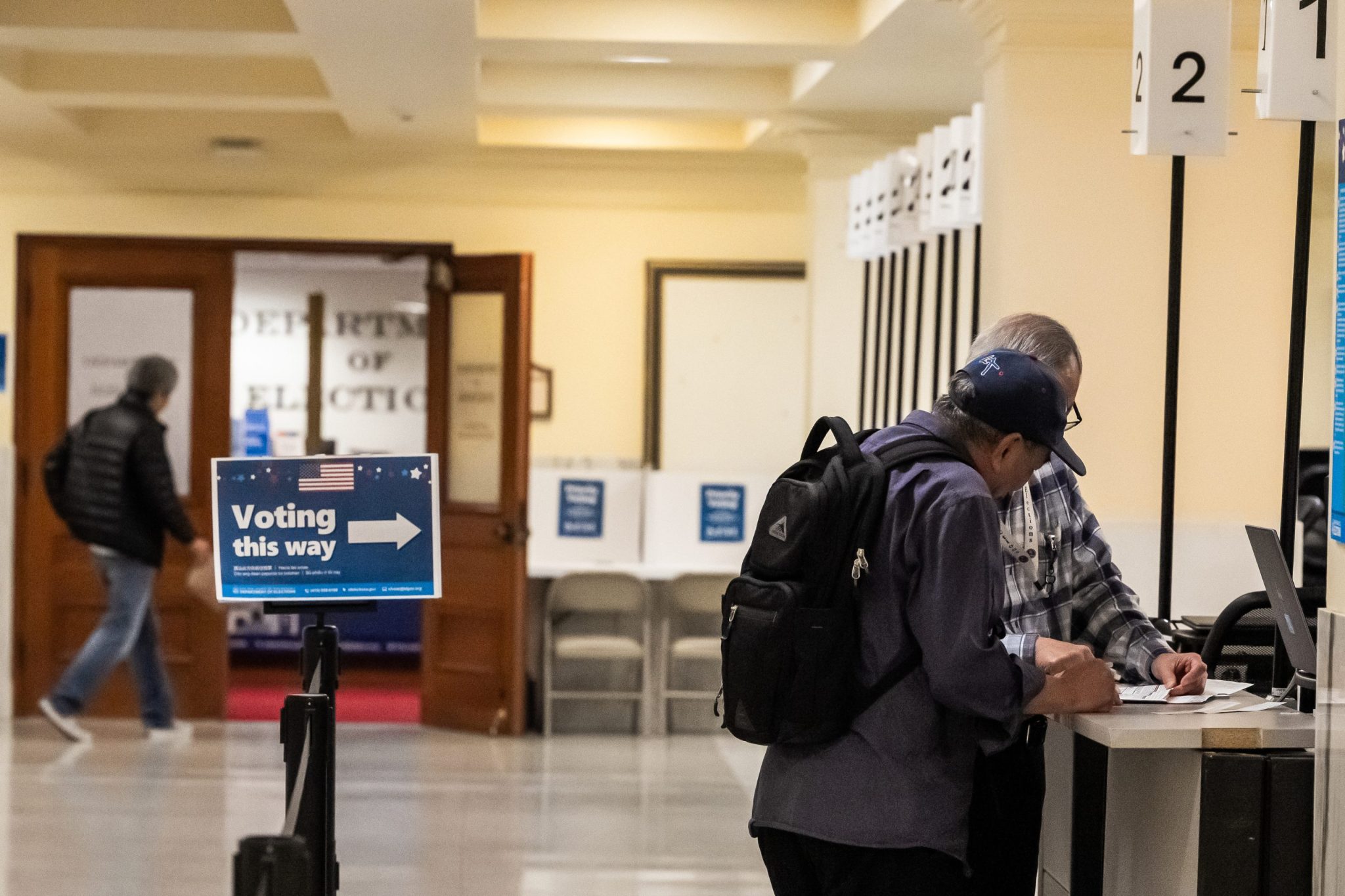
The push for local public banks gained momentum after the Occupy protests following the 2008 financial crisis. Now, in Berkeley and San Francisco, proposals are on the ballot this Tuesday. Berkeley's Measure Z proposes a six-year parcel tax to fund a regional public bank, while San Francisco's Proposition B would create a city-owned lending institution that could eventually become a public bank.
Berkeley's tax would impose a $0.06 per square foot annual charge on residential improvements and $0.09 on nonresidential improvements, starting in 2027. The revenue would be used to capitalize and support the public bank, with returns reinvested for designated purposes. Supporters believe public banks could finance local housing and businesses that struggle to obtain loans from traditional banks.
However, critics question the costs and financial risks, arguing that neighboring communities should contribute to the regional bank. San Francisco's Proposition B would authorize a municipally-owned lending institution for affordable housing, small businesses, and environmental sustainability, but would not provide startup funding.
The city would need sufficient funding and resources to establish the institution, which could cost $310 million to $460 million over eight years.
Written by urgent.news from Fortune's reporting — not their text. Machine-written — may contain errors; check the original before relying on it.