How Wall Street analysts think the midterms could affect stocks
Despite the political drama surrounding U.S. elections, stocks have historically risen following midterms, market data shows.
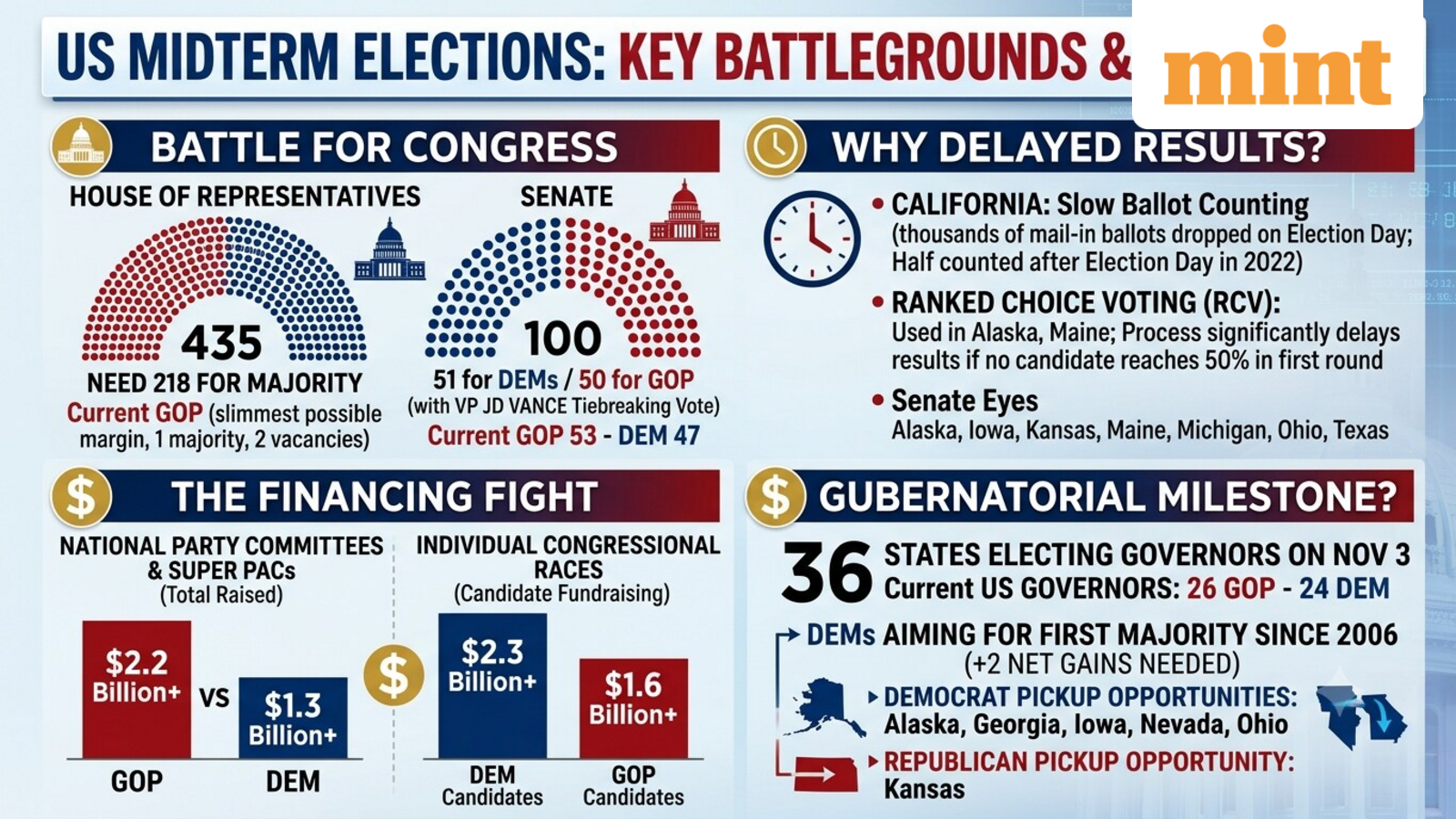
During the midterm elections, the United States Congress faces potential shifts as lawmakers contend with persistent inflation, high energy costs, and growing fiscal debt. However, investors may view the political outcome as favorable. Following the previous 14 midterm races since 1970, the S&P 500 stock index showed an average rise of 1.7% in the following month, and a 15.5% return over the subsequent six months.
Yet, volatility around the vote remains a possibility. Still, markets typically perform well in the year after midterms as political uncertainty subsides and concentration shifts back to economic outlooks. Wall Street analysts weigh the potential impact of divided government control on stocks should Democrats gain control of the House, Senate, or both chambers.
Historically, political gridlock has benefited markets as it restricts Congress' ability to pass broad tax and spending legislation, decreasing the risk of volatility. A more predictable environment enables companies to invest in long-term projects, which is usually beneficial for earnings. However, gridlock in Washington could also fuel partisan disputes over the national debt, which has surpassed $40 trillion, or prompt the U.S. government to increase borrowing to meet its priorities, causing unease among bond investors.
Experts predict the U.S. will reach the debt limit again between late winter and midsummer of 2027, potentially requiring lawmakers to either raise the debt ceiling, suspend it temporarily, or endure another government shutdown. If President Trump continues to utilize his executive authority to achieve his goals, Democrats may have limited influence even if they control Congress.
Additionally, a Democratic sweep could lead to Democrats blocking Trump-appointed regulators, potentially forcing the President to appoint more Democrats to independent agencies like the FDIC, SEC, and CFTC. A Democratic majority in the Senate could also enable Sen. Elizabeth Warren to head the Senate Banking Committee, granting her more authority to pass populist legislation. Nevertheless, lawmakers would still face restrictions due to the President's veto power.
Written by urgent.news from CBS News's reporting — not their text. Machine-written — may contain errors; check the original before relying on it.
This story
This is one outlet's version. Read the fullest account.
- Wall Street is bracing for a fresh wave of tariffs, Iran action (and potentially a government shutdown) after the midterms fortune.com
- Wall Street’s most hated stocks are faring far better than its favorites marketwatch.com
- ASX set to slide, tech stocks boost Wall Street theage.com.au
- ASX set to slide, tech stocks boost Wall Street smh.com.au
- Lo:Tech raises $12m to take on Wall Street finextra.com
- ETHGas wants to bring Wall Street to public Ethereum by selling advance block reservations coindesk.com