Wall Street is bracing for a fresh wave of tariffs, Iran action (and potentially a government shutdown) after the midterms
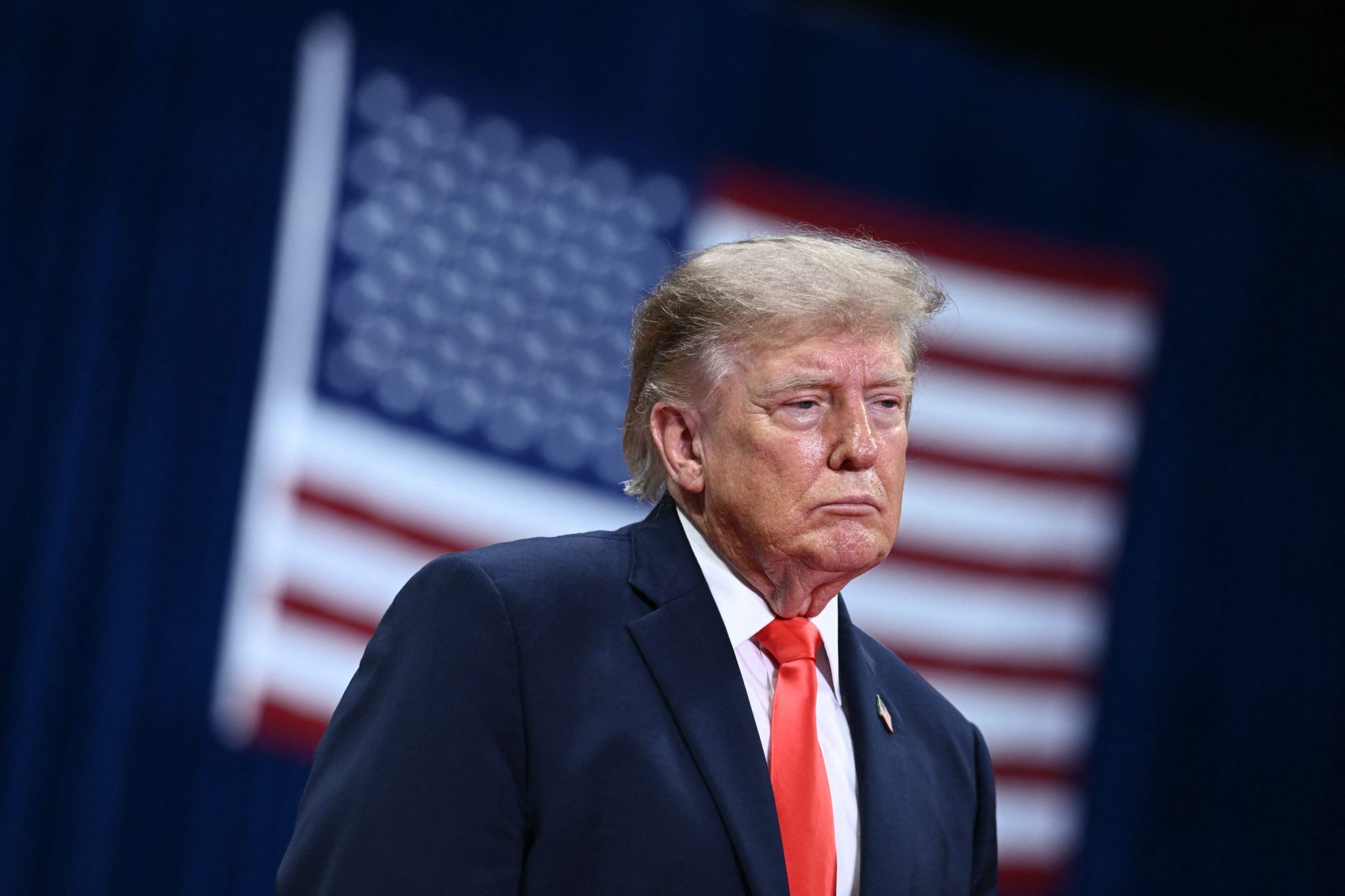
As the midterm elections approach, Wall Street anticipates a surge of tariff-related policies from President Trump following the vote. According to Goldman Sachs, the Democratic Party is expected to gain more influence in Congress, with a 96% chance of taking control of the House and a 78% likelihood of also securing the Senate.
This shift in power may lead to the reversal of some of President Trump's tariffs, though the impact would be limited, primarily affecting a few countries or products, according to Alec Phillips and Abhay Duggirala.
The conflict in the Middle East is proving to be expensive, with the war's costs now reaching $47 billion. While the government is grappling with a $40 trillion national debt and calls for deficit reduction, any attempts to address this issue are expected to be hindered by a more divided government, as highlighted by ING's James Smith. Smith predicts that fiscal gridlock will push attention back to trade policy, particularly in finding ways to generate more revenue from import relationships.
Regarding Iran, the White House's approach in the post-midterm period remains uncertain. According to UBS's Paul Donovan, President Trump may become more aggressive in the Gulf region as he is freed from the pursuit of popularity. A Pew Research study found that only 14% of voters strongly approve of Trump's handling of the military conflict with Iran, with another 20% expressing only moderate approval.
With voter dissatisfaction, Trump's motivations for the conflict mainly revolve around national security and his personal legacy.
For Wall Street, the focus will be on Republican reactions to the midterm results and whether the party will divide over MAGA-related issues, potentially leading to wider economic consequences both domestically and abroad. Moreover, the upcoming budget showdown, with federal funding expiring on December 11, will require bipartisan support for a continuing resolution to prevent a government shutdown.
Written by urgent.news from Fortune's reporting — not their text. Machine-written — may contain errors; check the original before relying on it.