'Horoomon' shines light on century of Koreans' struggles in Japan
For decades, Zainichi Koreans have lived on the margins of Japanese society while facing severe discrimination and social prejudice. The group includes ethnic Koreans living in Japan who trace their roots to the 1910-45 Japanese colonial period. Director Lee Il-ha's new documentary "Horoomon" brings this complex legacy to life through the fierce legal victory and rough journey of Shin Suk-ok, a…
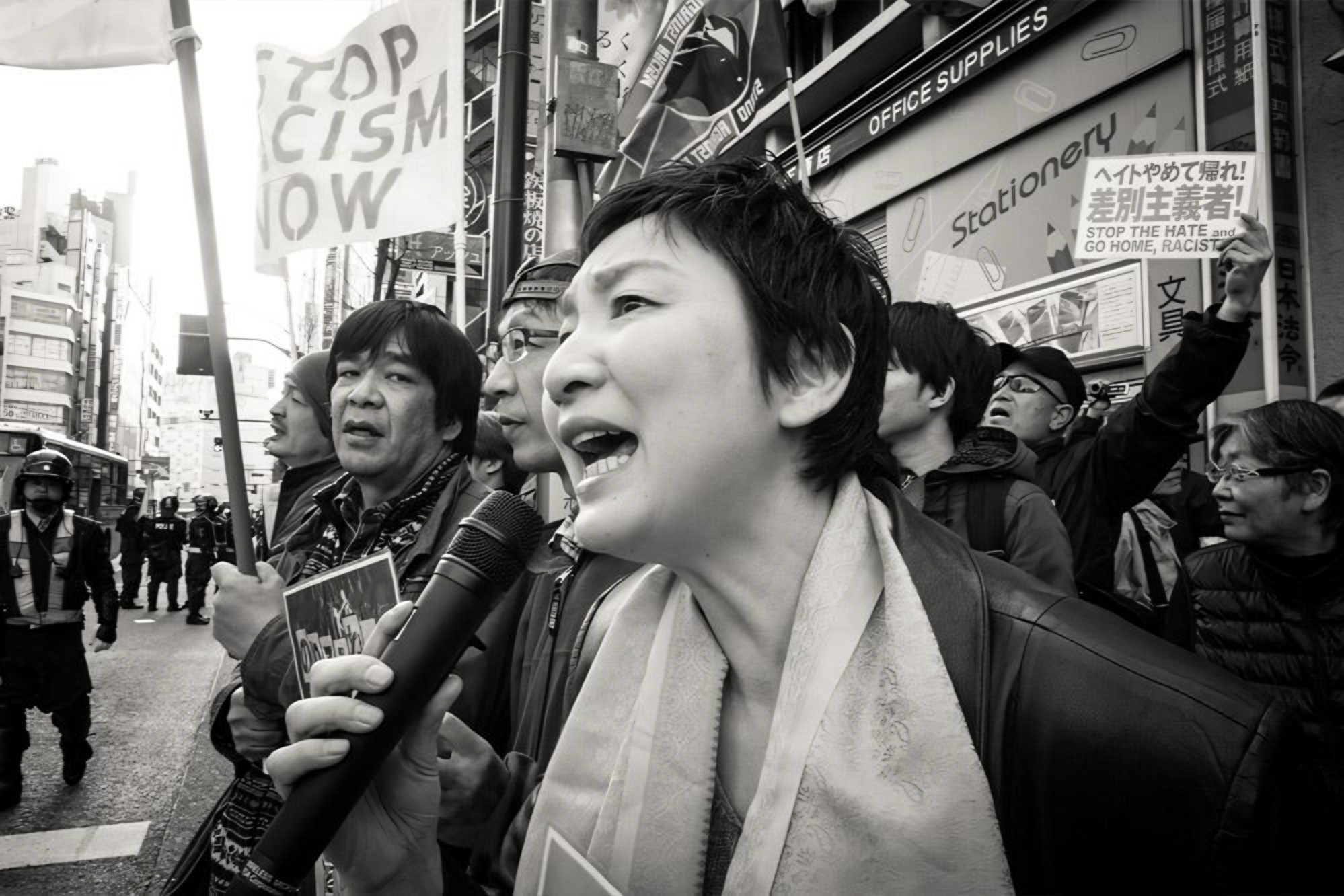
For generations, Zainichi Koreans have inhabited the fringes of Japanese society, enduring profound discrimination and social prejudice. This demographic comprises ethnic Koreans residing in Japan, whose ancestry dates back to the Japanese colonial period from 1910 to 1945. Director Lee Il-ha's documentary, "Horoomon," sheds light on this intricate history via the compelling narrative of Shin Suk-ok, a renowned third-generation activist.
Born in Tokyo in 1959, Shin defied extreme poverty and prejudice to cultivate a successful career as a corporate trainer and entrepreneur. By the 1990s, she had emerged as one of Japan's most vocal advocates for human rights, championing the causes of ethnic Koreans, wartime sex slavery survivors, marginalized communities such as refugees and individuals with disabilities, as well as indigenous groups like the Ainu and Okinawans.
Her reputation for intellectual prowess and unyielding logic became evident when she confronted right-wing commentators on Japanese television debate shows. The documentary's title, "Horoomon," alludes to horumonyaki, a Japanese grilled organ meat dish.
Written by urgent.news from The Korea Times's reporting — not their text. Machine-written — may contain errors; check the original before relying on it.
Also reported by 1 other outlet
- 'Horoomon' shines light on century of Koreans' struggles in Japan koreatimes.co.kr