From flooded homes to dying cattle, El Nino wreaks havoc across continents as food prices loom
PARIS, Nov 4 — With torrential rains in India and Nepal, and drought already devastating South America,...
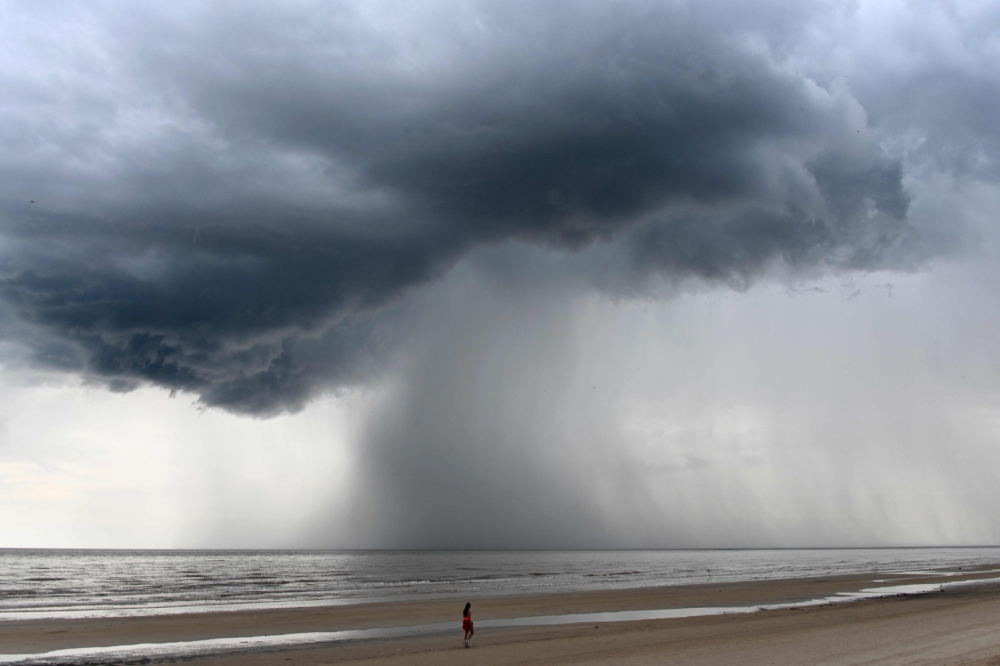
With torrential rains in India and Nepal, and drought devastating South America, this year's exceptionally strong El Nino is causing widespread damage globally. The World Bank predicts food prices will increase by 18 percent next year due to El Nino's effects.
Cyclone Arnab, turbocharged by El Nino, struck India's southeastern coast, killing at least three people and prompting nearly 100,000 evacuations. The storm brought ferocious winds, torrential rain, and heavy snowfall to Nepal's Himalayan regions and intense rain through Saturday.
In Bolivia, drought has affected 78,000 families in six departments, leading to the loss of over 75,000 cattle. President Rodrigo Paz declared a state of emergency to allocate resources to address the El Nino impacts.
El Nino has increased temperatures and triggered forest fires in Peru, causing at least 12 deaths. The tropical disease dengue fever has also spread. Chile experienced its rainiest October in Santiago's history due to El Nino.
According to the World Bank, El Nino is expected to raise food prices by 18 percent between 2025 and 2027, driven by supply disruptions from conflicts and anticipated weather impacts. Since June, the University of Chicago's Climate Impact Lab estimates 484,500 excess heat-related deaths occurred globally due to El Nino, with an additional 373,000 projected over the next six months.
The crops most vulnerable to El Nino include rice in Asia, corn and beans in Mexico, Central America, and southern Africa, sorghum and millet in East Africa, and coffee and cocoa. These crops are essential for local food security and global cereal prices. The FAO is monitoring export-oriented crops like cocoa and coffee, as their yields can be impacted by excessive or insufficient rainfall, affecting farmers' incomes and foreign currency earnings.
Written by urgent.news from Malay Mail's reporting — not their text. Machine-written — may contain errors; check the original before relying on it.