Building connections across the research infrastructure
MIT.nano and the Northeast Microelectronics Coalition gathered facility leaders and technology professionals from across the nation to explore ways to make shared-access facilities more connected.
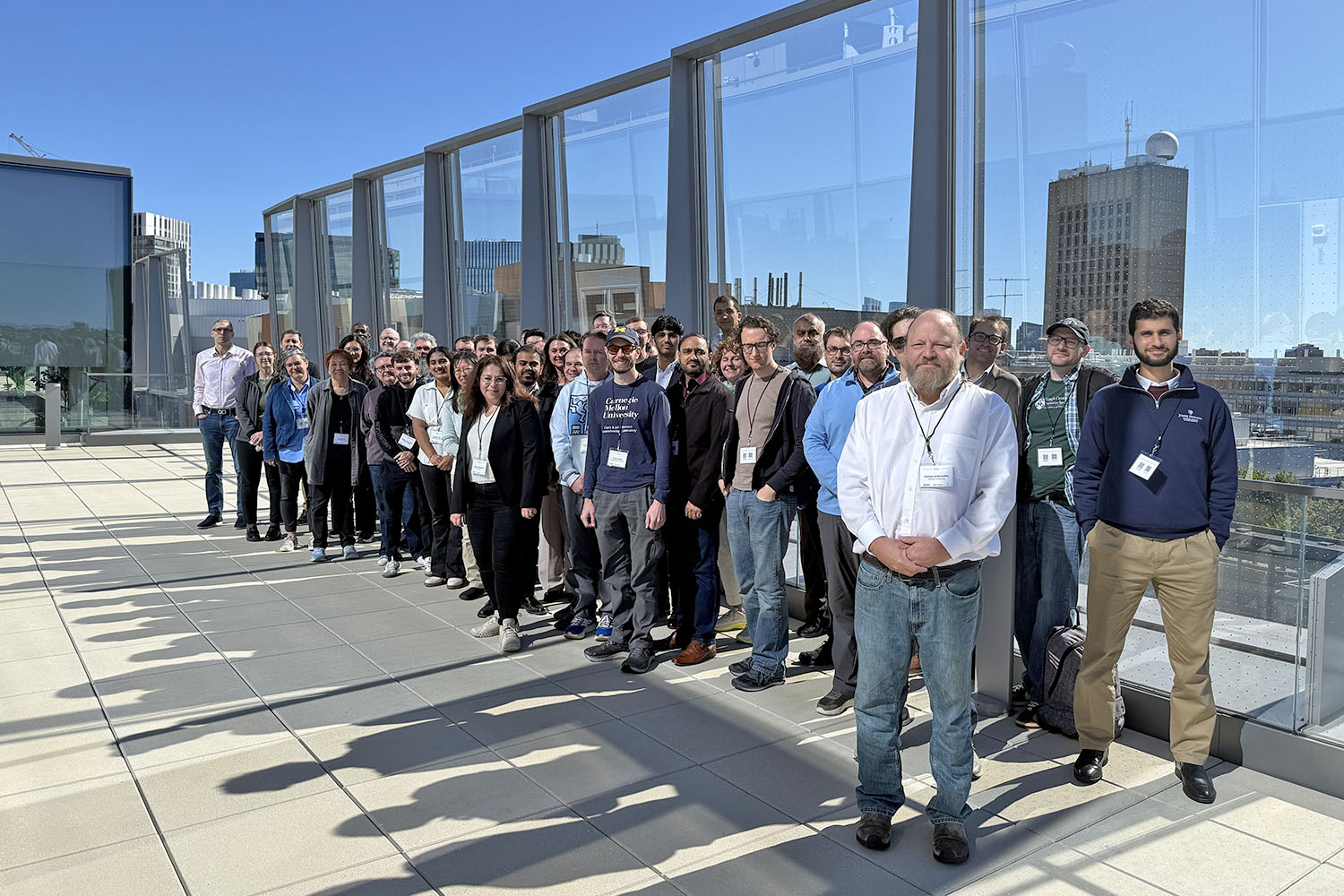
The 2026 NEMO User Meeting, hosted by MIT.nano, brought together 65 representatives from 25 laboratories and organizations to address the growing challenges of shared research facilities. The meeting centered around the NanoFab Equipment Management and Operations (NEMO) system, an open-source platform that helps manage shared research facilities, accommodating a diverse range of facilities with varying scientific missions.
The platform's collaborative model allows facilities to adapt the system to their unique needs while benefiting from a common foundation.
NEMO, originally developed by the National Institute of Standards and Technology (NIST) in 2018, released its community edition (NEMO-CE) in 2023, enabling facilities to develop and share extensions. At the meeting, participants from various institutions, including MIT, Stanford, Columbia, and Princeton universities, shared tools to address challenges such as chemical management, user administration, equipment status, training, and workflow automation.
The presentations demonstrated how facilities are adapting a common platform to their specific needs. For example, Stanford showcased real-time displays for equipment status and reservations, while Columbia shared its migration to NEMO and extended its use for billing and facility workflows. Princeton presented automated process charts for monitoring tool performance, and the University of Pennsylvania discussed approaches to chemical management.
As the NEMO community expands, a new opportunity arises. Universities and research organizations operate specialized facilities with unique equipment, expertise, and capabilities. However, researchers often struggle to find and access these capabilities, which can act as a bottleneck in microelectronics R&D. Traditional networks of facilities relied on static webpages or databases to describe available resources, but these sources quickly become outdated as facilities evolve.
MIT.nano unveiled Hydra, an open-source platform developed with support from the Northeast Microelectronics Coalition (NEMC), as a key component of the NEMC Technical Concierge program. Hydra connects multiple NEMO installations and draws information directly from the systems that facilities already use, ensuring real-time updates.
Unlike traditional approaches, Hydra does not replace individual lab management systems but connects and synchronizes them, providing a comprehensive, up-to-date view of available capabilities across the research ecosystem.
By leveraging the operational data from individual facilities, Hydra enables researchers to discover and access specialized capabilities without needing to know which laboratory possesses the relevant equipment. This approach aims to build a flexible, community-oriented research infrastructure that can adapt to the evolving needs of researchers and facilitate a seamless workflow across specialized capabilities.
Written by urgent.news from MIT News AI's reporting — not their text. Machine-written — may contain errors; check the original before relying on it.