Why voting still matters when politics has failed voters
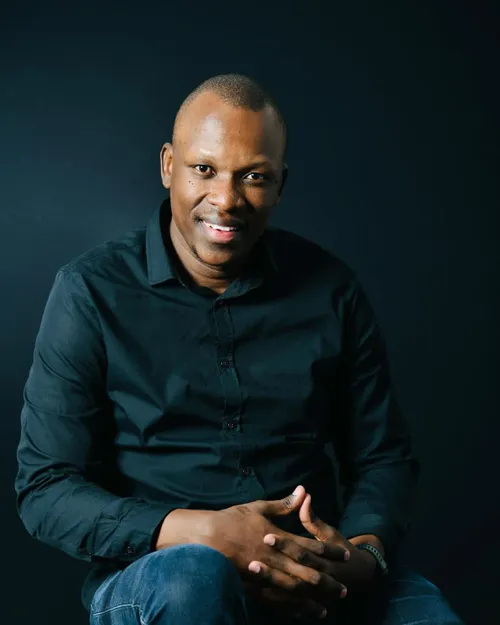
South Africans may feel betrayed by corruption, poor service delivery and political dysfunction. But refusing to vote can leave power in the hands of those least deserving of it, argues Professor Tshepo Lephakga.
In a country plagued by unemployment, violent crime, and the mistreatment of vulnerable groups, elections present a crucial opportunity to challenge the status quo. However, the political landscape is rife with dysfunction, inefficiency, and corruption, as highlighted by revelations from the Madlanga Commission and the normalization of a "political economy of inefficiency."
These systemic issues create a misaligned relationship between the electorate and politicians, leading to cynicism and a belief that voting is merely an opportunity cost.
The act of voting demands significant time, effort, and consideration, often requiring voters to weigh the potential benefits against their individual circumstances. Moreover, the material conditions faced by many citizens further erode their motivation to participate in the political process. Despite the sacrifices made by those who fought for democracy, the current state of affairs leaves many feeling disenfranchised and indifferent towards voting.
To reclaim the political sphere, a cleansing of politics is necessary. This involves shifting power back into the hands of the people and electing leaders who prioritize the well-being of citizens over personal gain. Plato's timeless wisdom suggests that when voters refuse to support those who are dishonest, incompetent, or lack integrity, they can prevent such individuals from forming a government.
In modern times, however, some argue that the primary motivation for voting should be to influence election outcomes in favor of desired leaders.
While voting has an opportunity cost, its significance lies in the potential to restore trust, accountability, and service delivery in government. The history of marginalized groups being denied voting rights underscores the importance of this right-duty, which stems from the struggles and sacrifices of those who fought for democracy.
Nevertheless, the present material conditions often lead people to prioritize immediate survival over political engagement, blurring the line between oppression and seemingly better living conditions.
Ultimately, the decision to vote should not be dismissed as a futile exercise. By participating in elections, citizens can challenge the dysfunctional political system, demand accountability, and advocate for policies that prioritize the well-being of communities. The cleansing of politics is crucial for restoring hope, rehumanizing society, and reasserting the agency of the people in shaping their own futures.
Written by urgent.news from IOL's reporting — not their text. Machine-written — may contain errors; check the original before relying on it.