Why the heart will matter more in an AI-driven world
I am an alfista . The word is Italian for someone devoted to the cars produced by Alfa Romeo. Together with the thousands of others who share that devotion, I am one of the alfisti . Nobody chooses to join the ranks of the alfisti on the numbers alone. We love the brand for reasons that have little to do with logic, and we choose these beautiful, difficult, idiosyncratic cars because of how they…
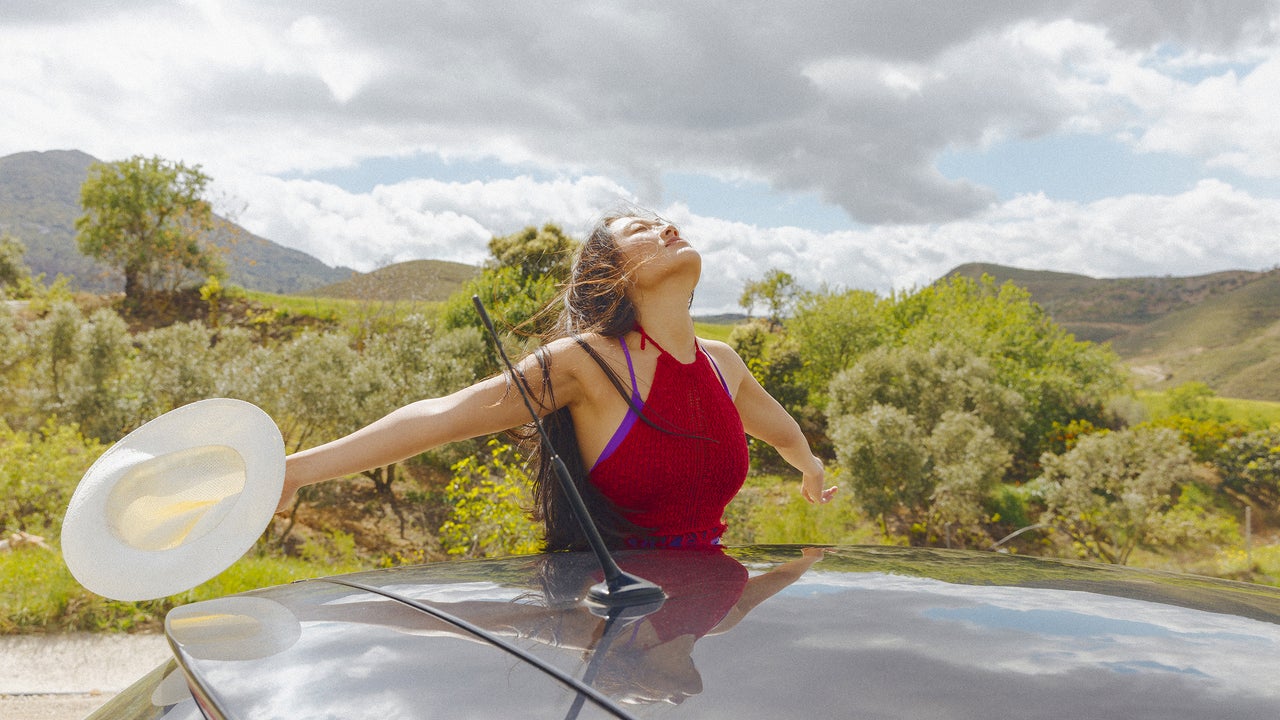
The automotive industry is undergoing a transformation as artificial intelligence takes center stage. With machines increasingly taking over the act of driving, the question arises: what purpose do cars serve once they can drive themselves? This question is echoed by leaders in various industries, as they grapple with the implications of automation on the human workforce.
Three concept cars unveiled recently in Paris, New York, and California shed light on how different brands are tackling this issue. Alfa Romeo's "Cuorerosso," meaning "red heart," is a bold statement that places the driver's emotions at the forefront. The car's minimalist design, with a single instrument mode that strips away distractions and focuses on the road ahead, reflects the brand's commitment to "Bellezza Necessaria" or necessary beauty.
Alfa Romeo's approach emphasizes the importance of the human experience in a world dominated by technology.
In contrast, Porsche is taking a different route. The company's Mission S concept, unveiled in New York, puts the driver back at the center of the experience by removing digital displays and replacing them with physical gauges and a physical tachometer. This decision is a strategic move to reaffirm Porsche's identity in a market where performance and character are increasingly being challenged by more technically advanced competitors.
By prioritizing the driver's tactile connection to the car, Porsche hopes to maintain its unique appeal in an industry that is rapidly shifting towards automation.
Meanwhile, Tesla's Roadster, unveiled in California, epitomizes the company's approach of prioritizing spectacle over substance. With its hyper-fast acceleration and innovative thrusters, the Roadster is a marvel of engineering that showcases Tesla's technical prowess. However, the car's performance is ultimately meaningless if there is no one to experience it with. Tesla's ultimate goal is to create a car that is not just fast, but also captivating, a vehicle that stands out in a sea of increasingly similar machines.
As AI continues to reshape the automotive landscape, the role of humans in the driving experience is becoming increasingly important. Brands that prioritize the emotional connection between driver and machine are likely to thrive in this new world. Whether it's Alfa Romeo's focus on the heart, Porsche's return to mechanical charm, or Tesla's embrace of spectacle, each brand is carving out its own niche in the evolving automotive landscape.
Written by urgent.news from Fast Company's reporting — not their text. Machine-written — may contain errors; check the original before relying on it.