Why mishti doi is traditionally set in a maatir bhnaar
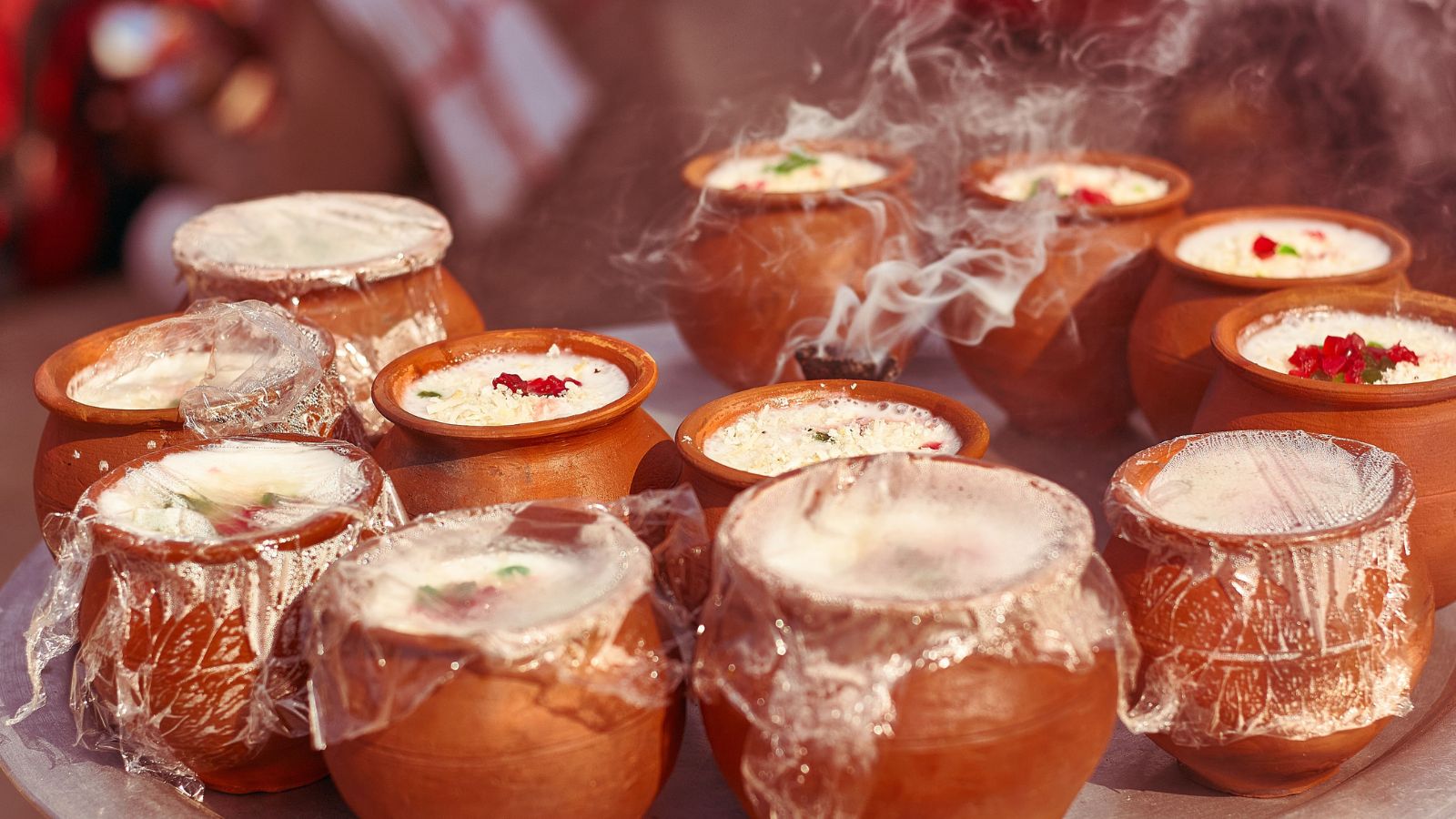
Mishti doi, a beloved Bengali sweet, is traditionally set in a maatir bhnaar, an earthen pot. Chef Bilkis Khan, a Sufi culinary expert, explains that this practice is not merely cultural, but also scientifically sound. The unglazed, porous clay of the pot allows a small amount of moisture to escape gradually, aiding in the thickening of the curd to the creamy consistency cherished in mishti doi.
Furthermore, the earthen pot creates a unique thermal environment for fermentation, enabling the milk to develop its characteristic gentle tang and rich texture. The pot also imparts a subtle earthy aroma, known as maati, which enhances the overall experience.
While fermentation is crucial for mishti doi, the pot alone does not ensure superior results. Experts, including Dietitian Umang Malhotra, affirm that temperature regulation, starter cultures, fermentation duration, and storage conditions significantly impact the process. Though earthen pots can help moderate temperature fluctuations, they are not a guarantee for better fermentation or higher probiotic counts.
The pot's porous nature may also retain moisture and microorganisms if not cleaned and dried properly, potentially introducing contaminants and varying bacterial counts. Consequently, the presence of a higher bacterial count does not necessarily equate to superior probiotic quality or improved gut health.
Thus, while the earthen pot adds to the traditional texture, aroma, and flavor of mishti doi, it does not inherently make the dessert healthier. Its benefits lie in its cultural significance and the enhancement it brings to the overall experience of enjoying this cherished delicacy.
Written by urgent.news from The Indian Express - Lifestyle's reporting — not their text. Machine-written — may contain errors; check the original before relying on it.
Also reported by 1 other outlet
- Why mishti doi is traditionally set in a maatir bhnaar indianexpress.com