Why it's important to never plug power strips into each other
Power strips are lifesavers when you don't have enough outlets to power all of your electronics and some also offer protection from power surges.
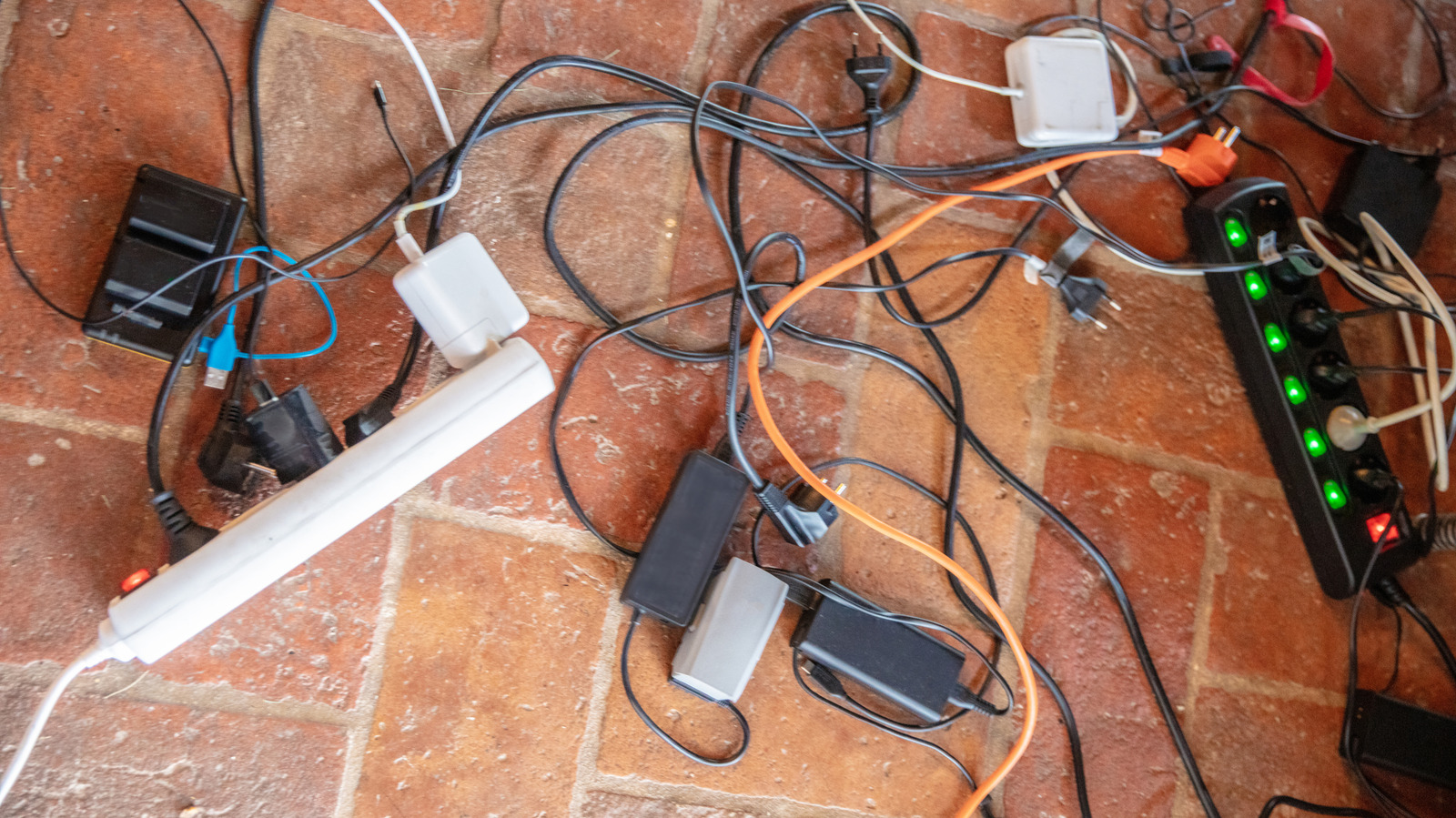
Adding more power strips to one another might seem like a smart way to increase the number of outlets and power supply for devices, but it's actually quite dangerous and counterproductive. Each power strip draws electricity from the wall outlet, and when you connect two power strips together, the first one has to carry the load from both strips.
This can cause the first strip to overheat and potentially start a fire due to the extra strain on its internal wiring and components. It's important to remember that adding sockets doesn't increase the overall electrical capacity of the power strip. In fact, each power strip has a maximum rating, usually measured in amps, and surpassing this rating can lead to overheating and even fire.
To avoid this issue, it's best to use a single power strip with a generous number of outlets, ensuring that the total load stays within the power strip's rating. If you need more reach, opt for a power strip with a longer cord instead of daisy-chaining multiple strips. Avoid using damaged power strips with scorch marks or loose connections, and refrain from plugging high-power appliances like space heaters or refrigerators into power strips.
Also, keep in mind that surge protectors don't increase the power capacity, so don't be tempted to daisy-chain them as well. Always check the power strip's rating and the devices you're connecting to ensure they're within safe limits.
Written by urgent.news from Engadget's reporting — not their text. Machine-written — may contain errors; check the original before relying on it.