What actually happens if you leave fallen leaves on your lawn — and why you’ll regret it
Think you can skip raking leaves this fall? The costly mistake that silently destroys your lawn.
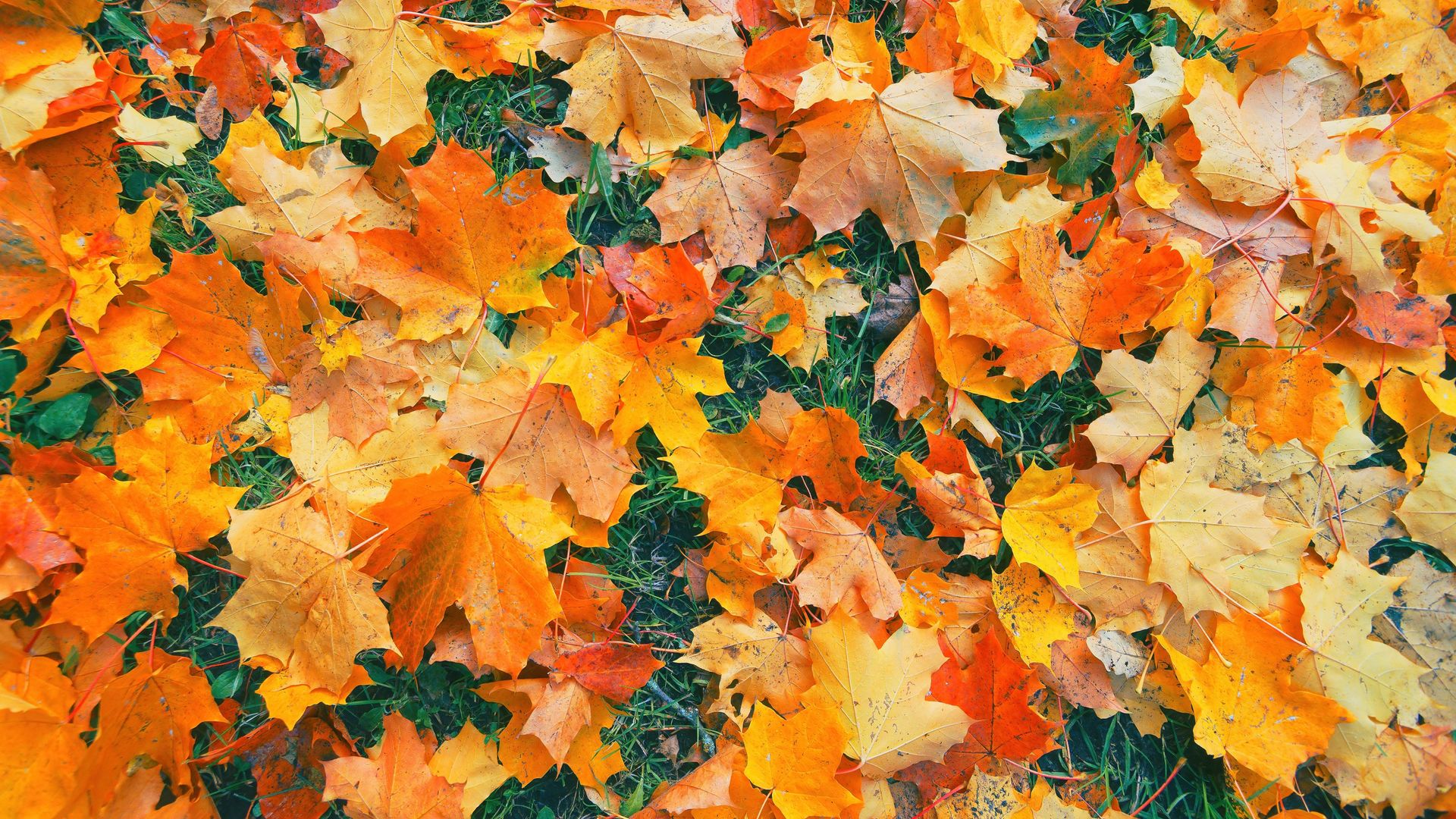
Leaving fallen leaves on a lawn for an extended period can lead to serious harm. A thick layer of leaves creates an inviting environment for fungal diseases, as the decaying matter traps moisture, blocks airflow, and deprives the grass of sunlight. This dark and damp microclimate encourages the growth of fungi, resulting in issues like snow mold, brown patch, and leaf blight.
If the lawn is lightly covered with leaves, they can be left for a while. The wind may disperse some, and the rest will decompose, adding nutrients to the soil. However, if the lawn is heavily laden with leaves, sunlight will not reach the grass blades, and trapped moisture will not evaporate. In such a case, it is necessary to rake the leaves to prevent the development of disease.
Removing leaves can be a physical task, but alternatives include using a leaf blower or lawn sweeper. While these tools provide convenience, raking still offers the benefit of improving soil health through the organic mulch created by decomposing leaves. However, it is crucial to perform this task during dry conditions, as wet leaves can suffocate the lawn and invite disease. If the forecast does not guarantee dry weather, clearing what can be done is still beneficial, as leaving a layer of wet leaves will harm the lawn.
Written by urgent.news from Tom's Guide's reporting — not their text. Machine-written — may contain errors; check the original before relying on it.