Week Starts with Spacewalk Preps and Life Science
Preparations continue for the second in the final series of spacewalks to upgrade the International Space Station’s power generation system on Thursday. Meanwhile, the Expedition 75 crew focused its research efforts on life science at the beginning of the week. The post Week Starts with Spacewalk Preps and Life Science appeared first on NASA Science .
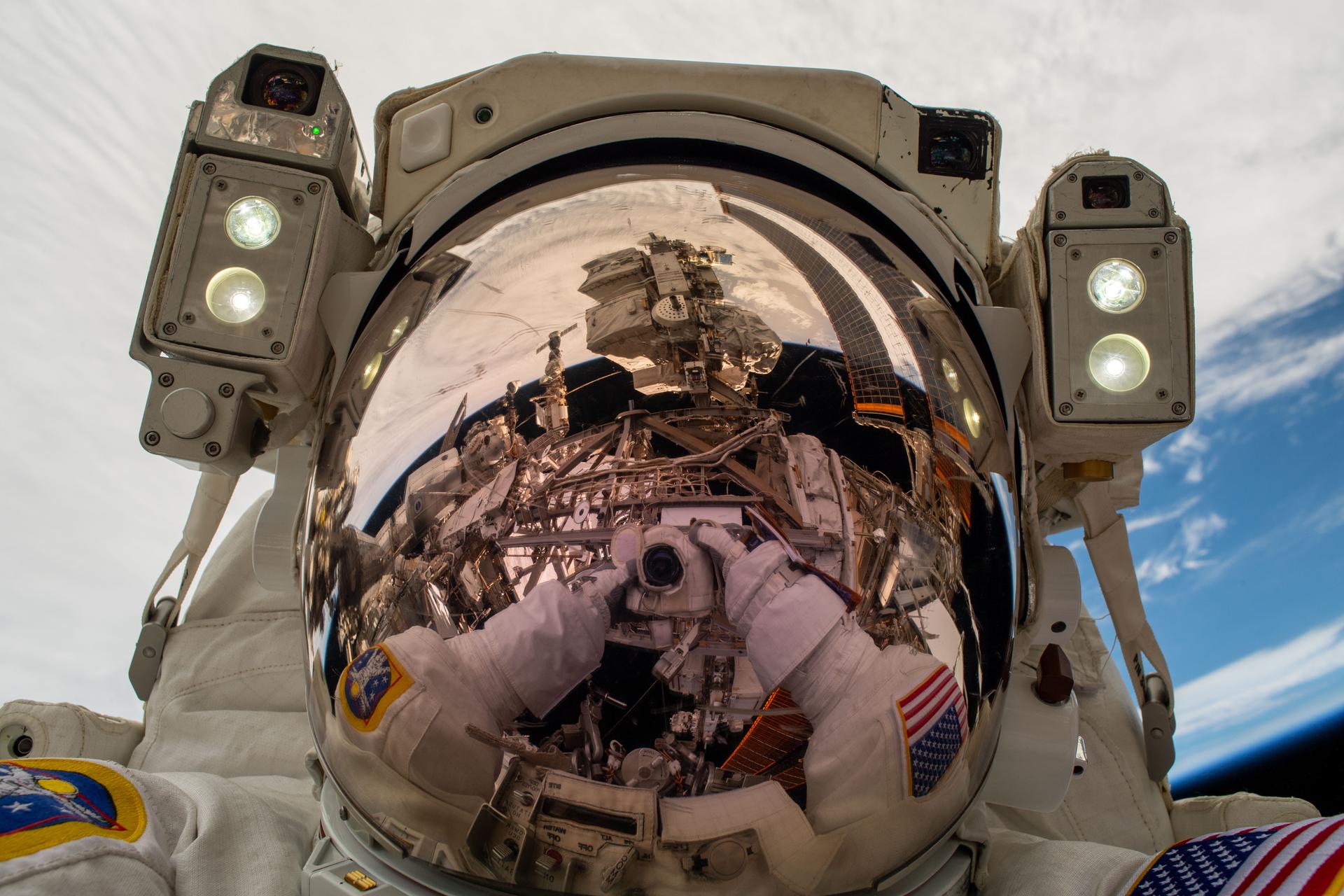
NASA astronauts Anil Menon and Joshua Kutryk began their week with preparations for a crucial spacewalk to enhance the International Space Station's power generation capabilities. Scheduled to occur on Thursday at 7 a.m. EST, the mission aims to install the final roll-out solar array, augmenting the station's power output from 160 kilowatts to approximately 215 kilowatts.
The duo will work on the station's starboard truss structure, complementing the work completed on the port truss structure on October 29, where they installed an identical array. With the spacewalk expected to last around seven hours, the increased power generation will significantly benefit the station's operations.
Prior to the spacewalk, Menon and Kutryk collaborated with fellow NASA flight engineers Jessica Watkins and Luke Delaney, as well as Russia's Pyotr Dubrov, Sergey Teteryatnikov, and Anna Kikina, to familiarize themselves with procedures for the Canadarm2 robotic arm and review potential concerns related to the Canadarm2. These preparations were crucial in ensuring a smooth and successful spacewalk.
Meanwhile, the Expedition 75 crew spent their early days focused on life science research, shedding light on the effects of microgravity on human health. Kutryk participated in a cardiovascular study by wearing a Bio-Monitor, which tracked his heart activity and respiratory rate while exercising on the Destiny laboratory module's exercise cycle.
Delaney contributed to ongoing research by nurturing vascular tissues samples in the BioFabrication Facility, while Watkins utilized a portable DNA sequencer to analyze antibiotic-resistant bacteria in microgravity. These life science studies hold the potential to improve crew health measures for future missions to the Moon, Mars, and beyond.
Written by urgent.news from NASA Science's reporting — not their text. Machine-written — may contain errors; check the original before relying on it.