Turkey signed US-led Artemis Accords. Its moon rovers will hitch a ride with China
Turkey has signed America’s rule book for the moon, but its first ride to the lunar south pole – the icy region both Washington and Beijing are racing to reach – will probably come from China. A team of more than 120 students and professors at Middle East Technical University (METU) in Ankara has built prototypes of two AI-powered rovers for Chang’e-8, a Chinese mission originally planned for…
In a significant move for international space cooperation, Turkey has joined the United States in signing the Artemis Accords, a set of principles governing lunar exploration. However, the country's first lunar rovers designed to reach the moon's south pole may not fly on a US mission, but instead hitch a ride with China's Chang'e-8 mission.
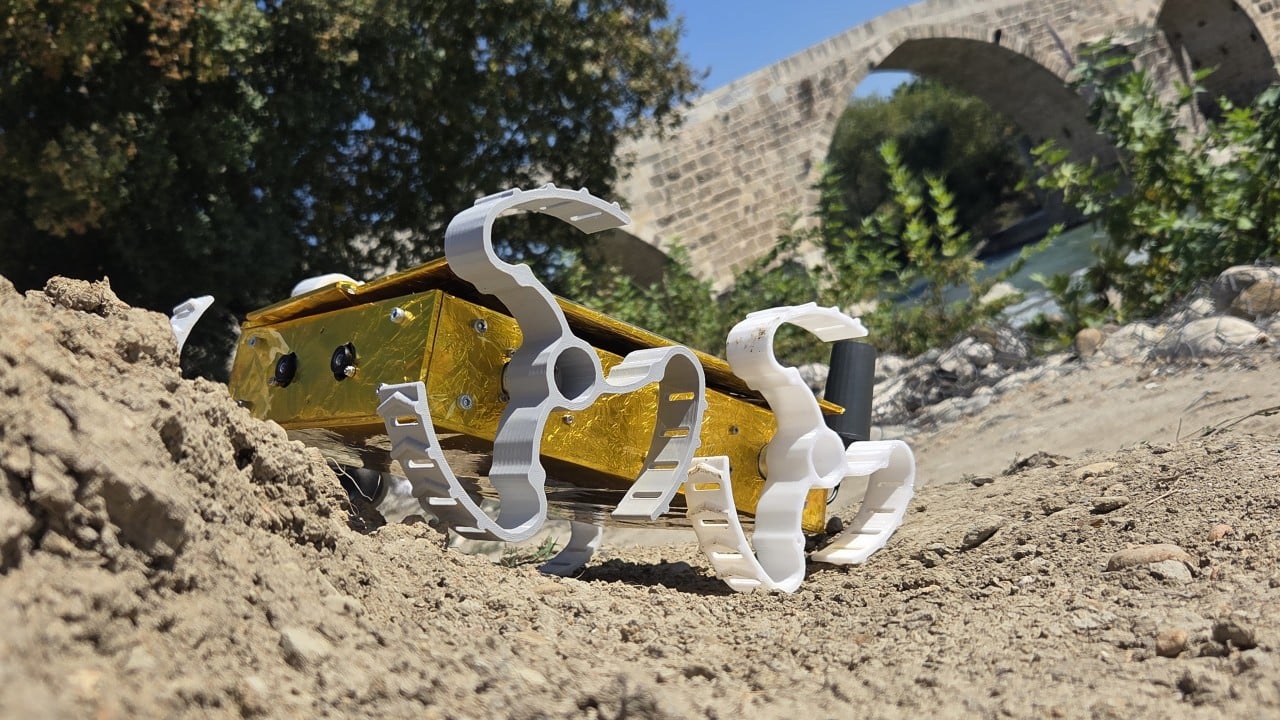
The Middle East Technical University (METU) in Ankara, Turkey, has been developing prototypes for these AI-powered rovers in collaboration with China. Led by Halil Ersin Soken, an associate professor of aerospace engineering, the university's team has been working on these rovers alongside Chinese institutions. The rovers, weighing less than 5kg and measuring roughly the size of a shoebox, are equipped with onboard AI systems for route planning and terrain mapping.
Despite being a member of NATO and having good relations with both the US and China, Turkey will not participate in the International Lunar Research Station, a lunar base project that China is building with Russia and other partners. The rovers' development faced delays due to China's recent restructuring of its moon program, but they are now expected to launch between 2029 and 2030.
The rovers will explore the moon's polar region, searching for signs of water that could potentially support a future lunar base. The Turkish team has been facing engineering challenges unique to lunar exploration, such as navigating the rugged polar landscape and ensuring the rovers land correctly on the side of the Chinese spacecraft. To overcome these challenges, they have relied on technical assistance from China's Beijing Institute of Control Engineering.
Once launched, the Turkish rovers, named CHERI after the elite Ottoman troops, will work for about two weeks, with the hope of extending their mission during the lunar night. The prototypes are currently being tested in Ankara and in indoor sandpits at METU's robotics and AI center, with a new test bed filled with simulated lunar soil under construction.
Written by urgent.news from South China Morning Post's reporting — not their text. Machine-written — may contain errors; check the original before relying on it.