Trump Stakes: Industrial Policy or Cronyism?
The White House’s acquisition of equity in U.S. companies raises questions about conflicts of interest. The post Trump Stakes: Industrial Policy or Cronyism? appeared first on Global Finance Magazine .
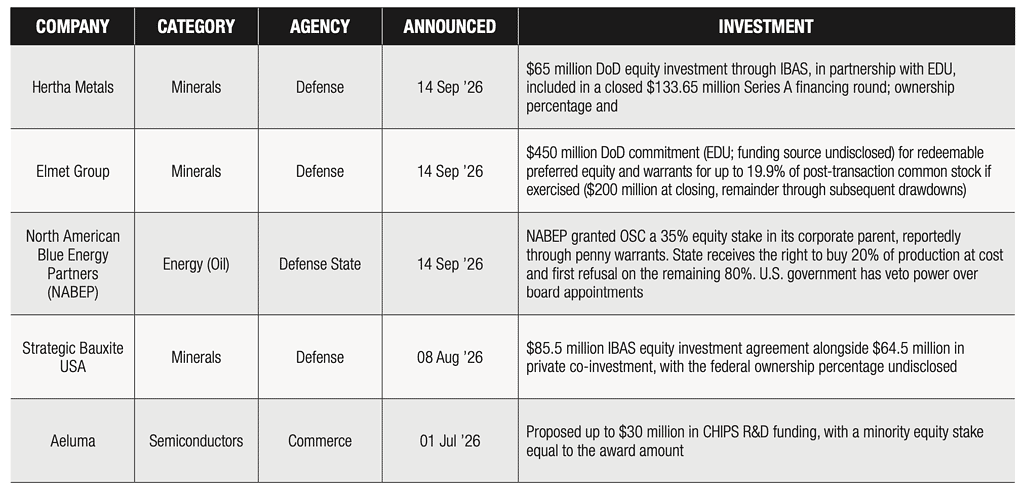
The Trump administration's use of industrial policy, marked by its acquisition of equity stakes in 34 private U.S. companies, has drawn criticism from both left and right. The goal is to bolster the nation's competitive edge by supporting strategically vital industries. However, critics argue that this approach risks corruption and favoritism.
Cullen Hendrix, a senior fellow at the Peterson Institute for International Economics, warned that "state ownership and control typically redistributes benefits to politically connected clients and away from the public." Dean Baker, co-founder of the Center for Economic Policy and Research, went further, suggesting it amounted to "Trump arbitrarily exercising power."
The White House maintains that the administration's priority is the best interest of the American people, focusing on securing and reshoring critical supply chains. Nevertheless, concerns persist about potential conflicts of interest, with analyst Tad DeHaven of the Cato Institute pointing out that the federal government's involvement as regulator, customer, financier, and shareholder creates inherent conflicts.
The administration's approach, characterized by ad hoc, privately negotiated decisions without independent oversight, risks political influence. While wealth funds could potentially mitigate these risks, the Trump administration has yet to create one, and even well-governed funds may still be susceptible to political pressure.
Written by urgent.news from Global Finance's reporting — not their text. Machine-written — may contain errors; check the original before relying on it.