This Week in Literary History: Sinclair Lewis Wins the Nobel Prize in Literature
This first appeared in Lit Hub’s Literary History newsletter—sign up here. On November 5, 1930, Sinclair Lewis was awarded the Nobel Prize in Literature “for his vigorous and graphic art of description and for his ability to create, with wit and humor,
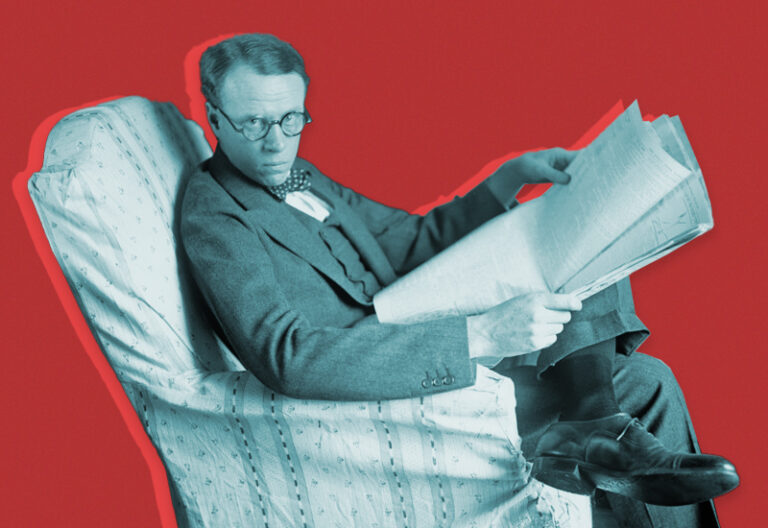
On November 5, 1930, Sinclair Lewis was honored with the Nobel Prize in Literature, becoming the first American to receive the prestigious award. The citation praised his "vigorous and graphic art of description" and his ability to "create, with wit and humor, new types of characters." Lewis, in his Nobel Prize lecture, criticized the dearth of a literary infrastructure in the United States, expressing his disappointment with the lack of intellectual standards and support for American writers.
He humorously described the stereotypical American man as tall, handsome, rich, honest, and powerful at golf; the typical country town as a haven of kind neighbors; and American women as wild, yet ultimately becoming perfect wives and mothers. Lewis also praised fellow American authors like Theodore Dreiser, Eugene O'Neill, Willa Cather, Henry Mencken, Sherwood Anderson, Upton Sinclair, and Ernest Hemingway, who, he believed, might have won the prize instead of himself.
Despite his criticism, Lewis expressed optimism for the future of American literature, citing the works of Hemingway, Thomas Wolfe, John Dos Passos, and William Faulkner, among others, who aimed to bring a more substantial and diverse literature to the nation.
Written by urgent.news from Literary Hub's reporting — not their text. Machine-written — may contain errors; check the original before relying on it.