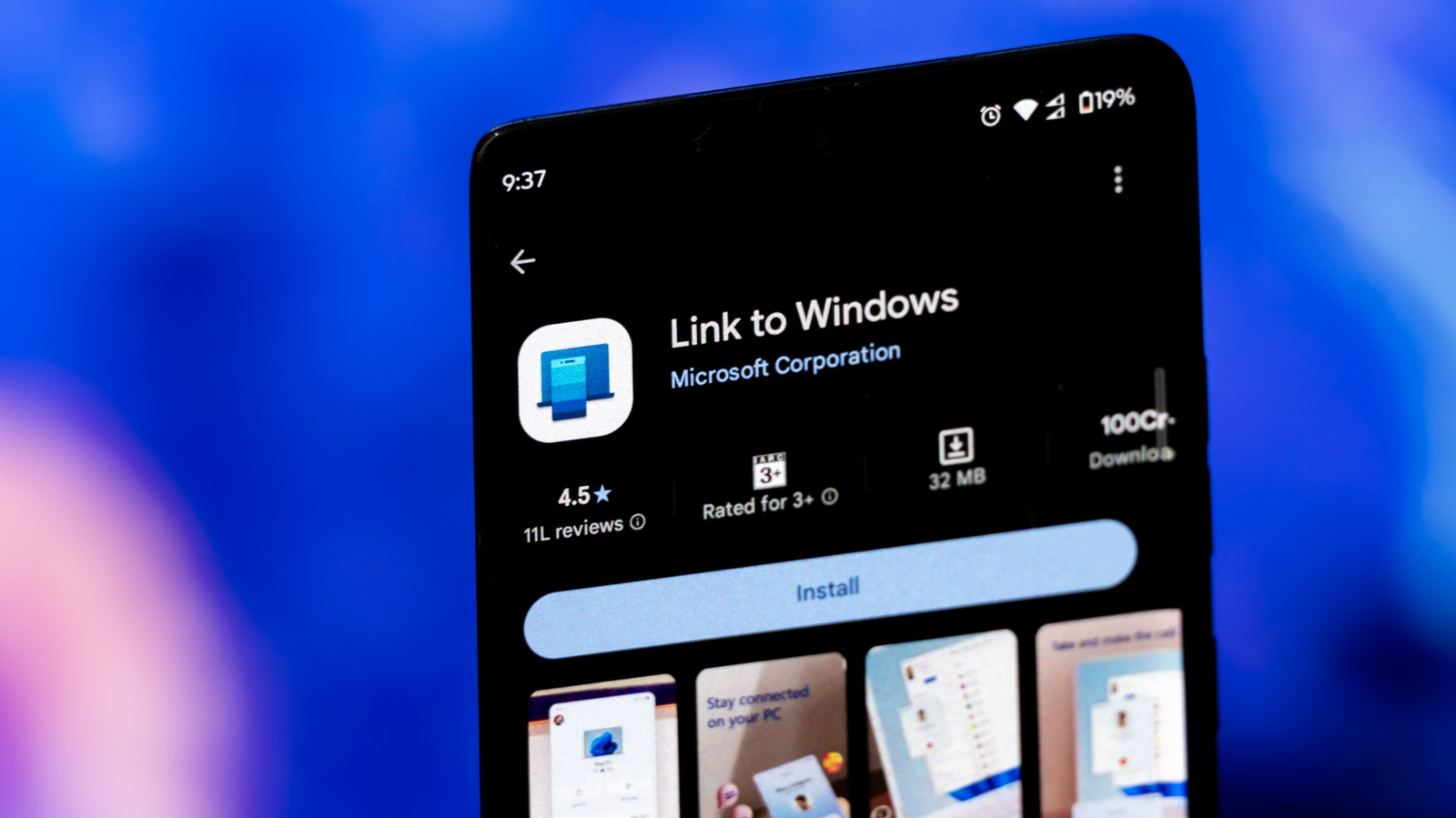
This T-Mobile deal fixes the only problem we had with the Samsung Galaxy S26 Plus
The Galaxy S26 Ultra finally has some real competition.
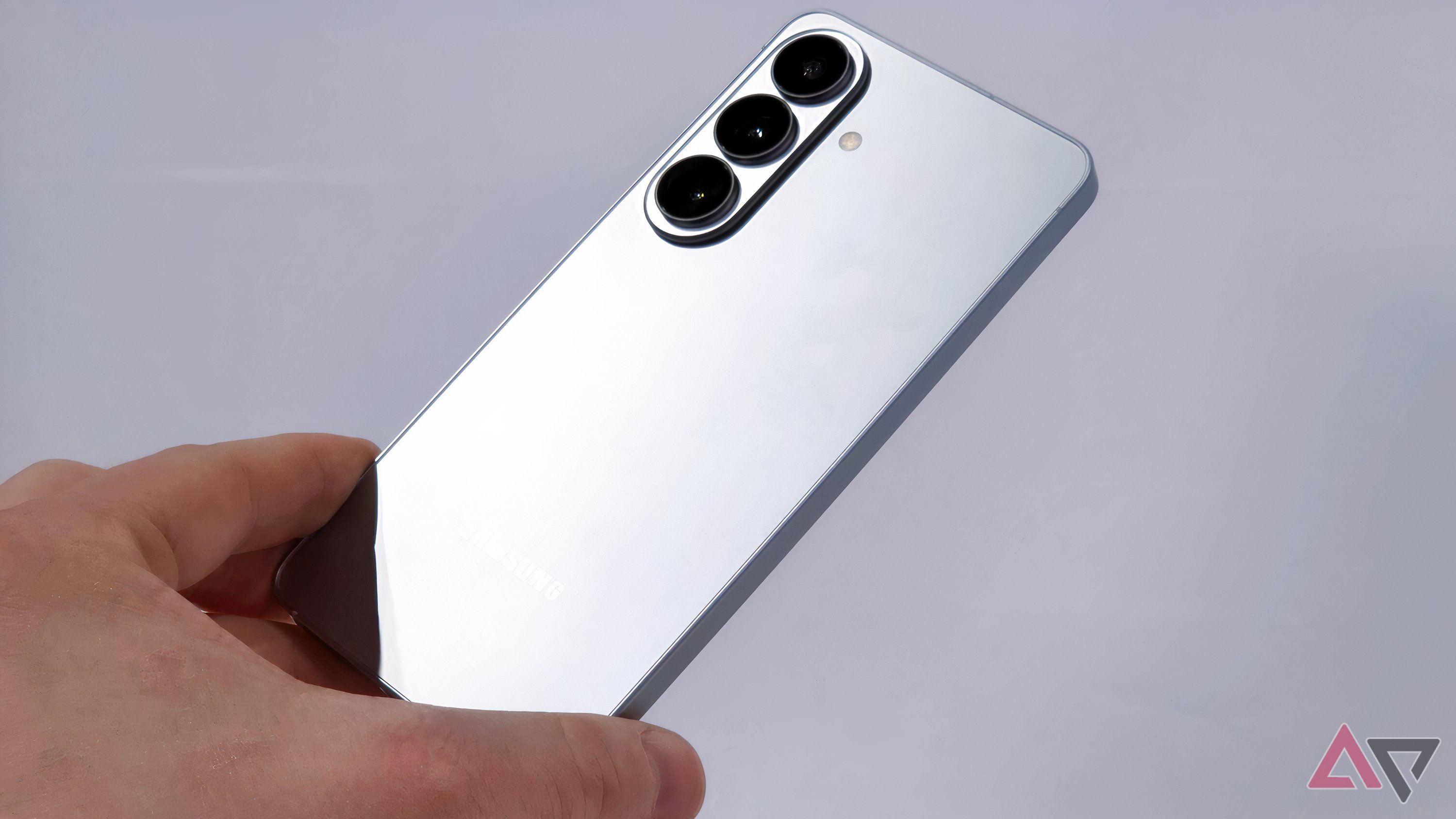
Samsung's Galaxy phones continue to ship with a multitude of preloaded apps that many users find unnecessary. The issue persists even in 2026, despite Samsung's efforts to allow users to remove or disable these unwanted apps. When upgrading to a Samsung Galaxy S26 Ultra from a Google Pixel, the difference in preloaded apps is striking.
While the Pixel comes with Google's suite of apps that are often used, the Galaxy boasts a longer list of apps that may go unused. These extra apps, known as bloatware, clutter the phone, consume storage space, and can cause unwanted notifications. The specific apps included depend on the Galaxy model, region, and carrier, leading to a varied user experience.
While many of these unwanted apps can be easily removed or disabled, the issue remains a common complaint. Samsung has acknowledged this in the past, noting that its 2013 Galaxy S4 left users with minimal usable storage due to Android, Samsung's system software, and bundled apps. Despite this, bloatware like Samsung Shop, Samsung TV Plus, and Samsung Global Goals continue to appear.
Some third-party apps, such as Facebook, Instagram, LinkedIn, OneDrive, and Spotify, may be worth keeping if users already utilize those services. However, for those relying on Google Drive, an additional cloud app like OneDrive is redundant. In July 2026, Samsung entered into an agreement to preinstall Amazon Music on certain phones and tablets, though the specific models are not disclosed.
New subscribers can also get a three-month free trial of Amazon Music Unlimited. To manage these apps, users can swipe up from the home screen, press and hold an app they don't use, and select Uninstall. Alternatively, going to Settings Apps allows users to uninstall or disable apps. Some preinstalled apps won't allow uninstalling, in which case users can tap Disable to prevent the app from running and hide its icon.
If these options aren't available, users can hide apps by touching and holding an empty area of the Home screen, tapping Settings, and selecting Hide apps. Hiding apps removes their icons from view but doesn't free up storage or revoke permissions. To turn off notifications for hidden apps, users can go to Settings Notifications App notifications, choose the hidden app, and disable Allow notifications.
However, it's crucial to avoid disabling unfamiliar system services, as core apps like Phone, Messages, Contacts, Gallery, and My Files cannot be deleted.
Written by urgent.news from Engadget's reporting — not their text. Machine-written — may contain errors; check the original before relying on it.
This story
This is one outlet's version. Read the fullest account.
- Samsung is leaving my Galaxy S22+ behind; I'm taking the hint androidpolice.com
- This Samsung Galaxy problem sadly still exists in 2026, but you can easily fix it engadget.com
- Samsung’s top-spec Galaxy Tab S10 Plus is $500 off androidauthority.com