The internet's latest obsession: The end of the world
The world seems convinced the end is near — and social media is amplifying that belief, convincing people to stock up on food, water, generators and other items. Why it matters: Online chatter is fueling viral predictions of societal collapse amid growing unease about the future. But you're probably not going to die tomorrow. What they're saying: Michael Mills, a researcher at the University of…
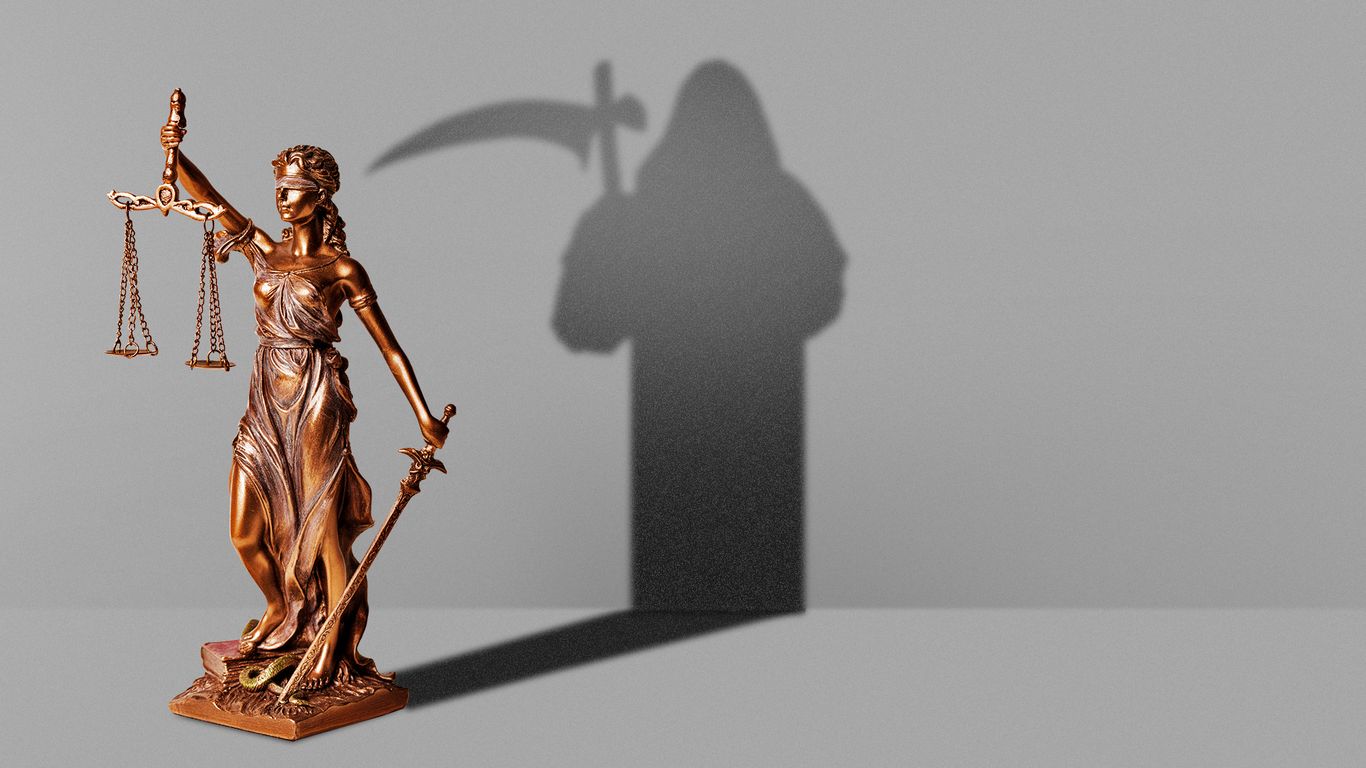
The internet appears captivated by the notion of impending doom, with social media platforms fueling the belief that society's collapse may be imminent. This surge in doomsday chatter is driven by widespread unease about the future, stemming from issues such as financial insecurity, soaring healthcare expenses, and the perceived inability of younger generations to attain homeownership.
Additionally, the rise of artificial intelligence has added to these anxieties, as it could potentially lead to widespread job losses, cyberattacks, or even the creation of deadly biological diseases.
Experts suggest that modern doomsday fears are not solely focused on a single apocalyptic scenario, but rather represent a broader reaction to uncertainty in general. Michael Mills, a researcher at the University of Kent who has studied doomsday prepping for over a decade, explained that this mindset is characterized by a "multifaceted concern with uncertainty."
In the past, Cold War-era survivalists were primarily concerned with nuclear conflict, but today's preppers worry about terrorism, climate disasters, geopolitical threats, and emerging technologies.
Recent viral posts have urged people worldwide to stock up on food, water, generators, and other essential items, following similar recommendations from governments and warnings from former FBI Deputy Director Dan Bongino. The situation has become so sensationalized that even President Trump addressed the topic during an interview, asserting that the United States is "in good shape" and possesses a strong military, implying that its citizens do not need to stockpile supplies.
Conservative commentator Tucker Carlson, who has a significant following on X (formerly Twitter), has also propagated similar doomsday scenarios, alleging that Israeli Prime Minister Benjamin Netanyahu is pressuring Trump to launch renewed attacks on Iran following the midterms, potentially involving nuclear weapons. However, Carlson's predictions have proven inaccurate in the past.
The Pentagon's recent plan calls for U.S. military bases to operate independently for at least 90 days in case of external support shortages, further intensifying fears among some individuals who question the government's intentions and motives. Overall, the pervasive sense of apprehension arises from a combination of financial worries, rising healthcare costs, inadequate savings, and the perceived inability of younger generations to purchase homes.
Furthermore, artificial intelligence, geopolitical tensions, and ongoing conflicts contribute to the perception that life is not going well.
Doomsday prediction culture is also influenced by political uncertainty, particularly around major elections. Historical data indicates that the prepper movement has been predominantly right-leaning, with concerns amplifying during the Obama and Biden administrations and diminishing after Trump's 2016 victory. During election cycles, when it often seems that everything is at stake, people's uncertainty about the outcomes of these contests can exacerbate their doomsday anxieties.
It is important to note that preparing for a potential catastrophe does not equate to being a conspiracy theorist. Governments often advise people to prepare for disasters, such as evacuating during hurricanes. Although prepping typically involves preparing for disruptions lasting weeks, months, or even longer, feeling prepared and having a supply of necessities for a couple of days without power can help alleviate the fear of being in the dark during an emergency.
Ultimately, nobody can predict with certainty what catastrophic event, if any, may occur in the future. However, taking steps to feel prepared and having a basic emergency supply can make the experience of being without power or other disruptions less frightening.
Written by urgent.news from Axios's reporting — not their text. Machine-written — may contain errors; check the original before relying on it.