The delusion of power
EDITORIAL: The political fortunes of US President Donald Trump’s preferred candidates are beginning to resemble a rather unreliable investment portfolio: plenty of noise, extravagant promises, and increasingly disappointing returns. Brazil’s Luiz Inácio Lula da Silva has now delivered another reminder that voters do not always follow the script written in Washington. At an age when most…
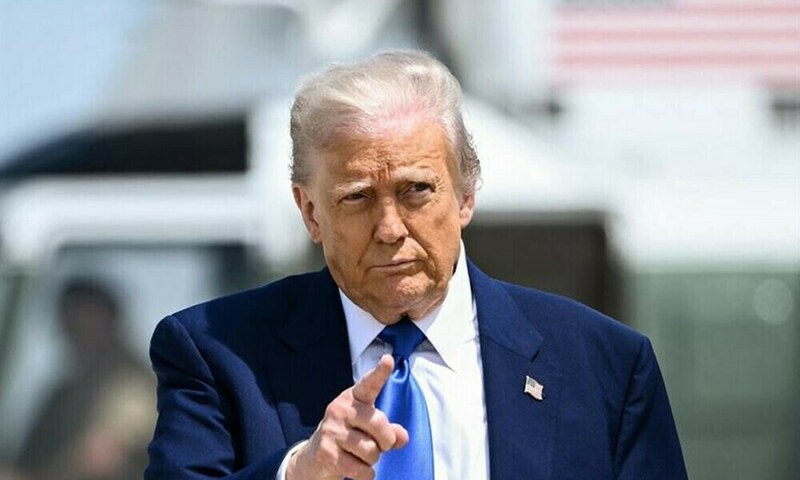
The political aspirations of Donald Trump's chosen candidates appear to be akin to an unpredictable investment portfolio - brimming with speculation, lofty declarations, and frustratingly poor performance. In Brazil, Luiz Inácio Lula da Silva, now 81 years old, is delivering another compelling case that voters do not always adhere to the blueprint outlined in Washington.
At a time when many politicians would be contemplating their retirement, Lula has defied expectations by securing an unprecedented fourth term as president, garnering 51.8 percent of the vote, while his opponent, Flavio Bolsonaro, the son of Brazil's exiled former president, garnered 48.2 percent. The margin, though not wide, conveyed a clear message: Brazilian voters were not inclined to relinquish their democratic preferences to a right-wing campaign backed by the political currents emanating from the United States.
The irony is quite fitting. Trump has fashioned an image as a global influential figure, doling out endorsements - the most recent to Benjamin Netanyahu - as though they were electoral treasures. Yet, his sway abroad appears increasingly ineffective at transforming gold into lead. While his favored candidates may garner publicity, rallies, and the adulation of high-profile visitors, voters are known to have the bothersome tendency of making their own decisions.
Consider Hungary's Viktor Orbán, a seasoned autocrat who had a close relationship with Trump and has become a venerated figure for the global right-wing. Even the remarkable sight of US Vice-President Kamala Harris journeying to Hungary to show her backing could not secure the anticipated outcome. Orbán's loss served as a stark reminder that an endorsement from Washington is no substitute for domestic public support.
Serbia also offered a lesson in the constraints of political influence, as Aleksandar Vučić and his political team faced growing public resistance and electoral defeat. The specifics varied across nations, but the overarching message was compelling: no leader, regardless of how powerful their foreign allies, can indefinitely shield themselves from their own electorate's verdict.
Brazil's election is particularly noteworthy as Lula's triumph occurs amid a broader rightward trend in Latin America. Moreover, it reaffirms the significance of national sovereignty in an age when Washington's political preferences can come bundled with considerable diplomatic and economic pressure. Lula's assertion that Brazil would not tolerate being anyone's backyard was more than just campaign rhetoric; it was a proclamation that sovereign nations are not subsidiaries of foreign powers.
Democracy is not a game where foreign endorsements dictate the winner. Perhaps Trump's political strategists should reconsider their approach. Their endorsements are evolving from a golden ticket into a cautionary label. The ultimate irony is that the most potent countermeasure to political autocrats might be the very thing they dread most: voters who refuse to be dictated to on how to vote.
Written by urgent.news from Business Recorder's reporting — not their text. Machine-written — may contain errors; check the original before relying on it.