The agentic web is here
In 2001, a decade after he invented the World Wide Web, Tim Berners-Lee articulated a new vision. Together with two colleagues, he published an article in the magazine Scientific American in which he outlined what he called the “Semantic Web”: an internet designed to be navigated by autonomous software agents that could address our every…
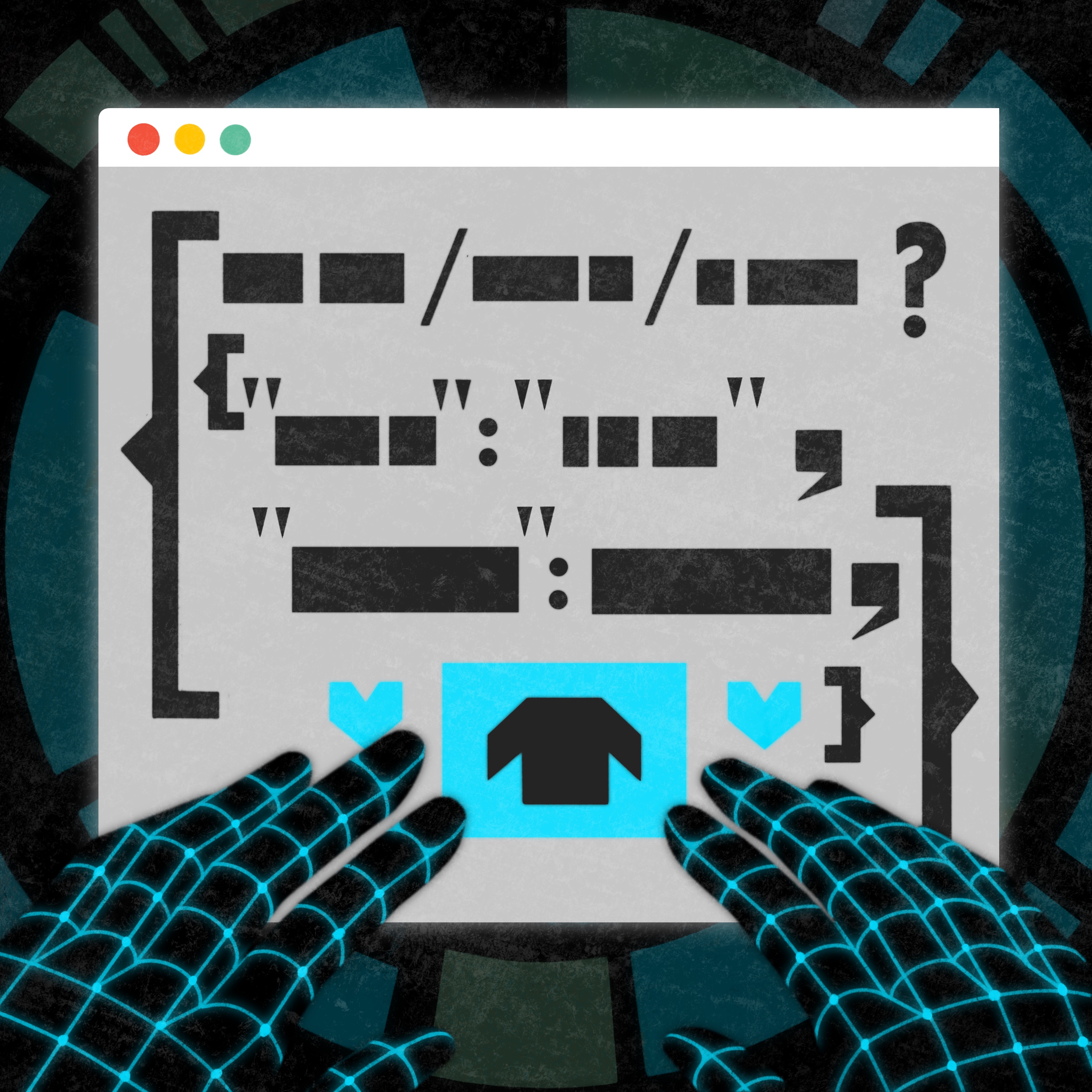
In 2001, Tim Berners-Lee, the inventor of the World Wide Web, proposed a new vision for the internet. In collaboration with two colleagues, he proposed the "Semantic Web," an internet designed to be navigated by autonomous software agents. This vision envisioned a future where agents could handle tasks on behalf of users, such as researching and booking appointments, without requiring manual intervention.
At the time, this idea seemed far-fetched, with Google only having been online for a few years and most people still relying on dial-up connections. However, a quarter-century later, this dream has become a reality as powerful AI systems, such as Meta's Muse agent and OpenAI's Dots, are gaining traction, logging record downloads, and even accessing people's personal information.
This new era of the "agentic web" is developing rapidly, potentially transforming the human web in ways that might not be entirely within our control. The rise of large language models has made it possible for agents to understand and process text without the need for special tags, making them more intuitive and efficient than ever before.
These agents can search for and interpret information far faster than humans, making them ideal for tasks such as finding budget-friendly products or booking flights. As these agents begin to flood online spaces, the way we interact with the web is set to change dramatically, prompting concerns about control, customization, and the potential emergence of self-governing networks and resources.
Written by urgent.news from MIT Technology Review's reporting — not their text. Machine-written — may contain errors; check the original before relying on it.