Tempers fray as thousands of Bangladeshi garment workers protest for pay hike
Thousands of Bangladeshi garment workers blocked a major highway and clashed with police on Monday, demanding a monthly minimum wage more than double current pay, as protests spread across industrial hubs. Bangladesh is the world’s second-biggest garment exporter behind China, manufacturing clothes for some of the largest international brands. Hundreds of workers in Gazipur, north of the capital…
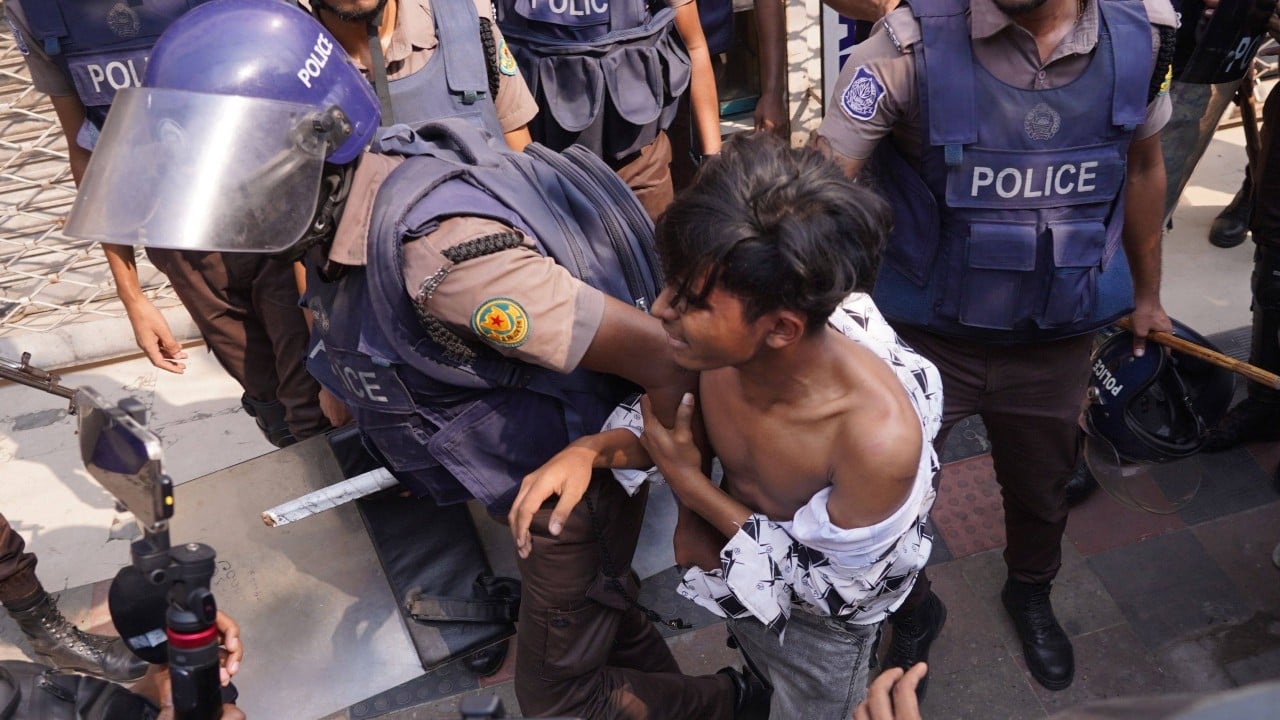
Huge crowds of Bangladeshi garment workers blocked roads and clashed with authorities on Monday, demanding a significant pay raise. The protests extended to key industrial areas outside the capital city of Dhaka. Bangladesh is the second-largest garment exporter globally, supplying clothes to major international brands. Hundreds of workers in Gazipur, north of Dhaka, blocked a major highway, damaging vehicles. In the Mirpur district, police used tear gas to disperse large groups of demonstrators.
The unrest came after the government announced on Sunday it would form a wage board to review the minimum wage. The garment sector generates over 80% of Bangladesh's export earnings, employs about 4 million people, and contributes roughly 10% to the country's GDP. However, labor leaders argue that the formation of the board alone is not enough.
They cite rising inflation and increasing household costs as factors fueling the workers' discontent. Protesters are demanding a monthly wage of 30,000 taka (US$240), more than double their current salary of around 13,000 taka.
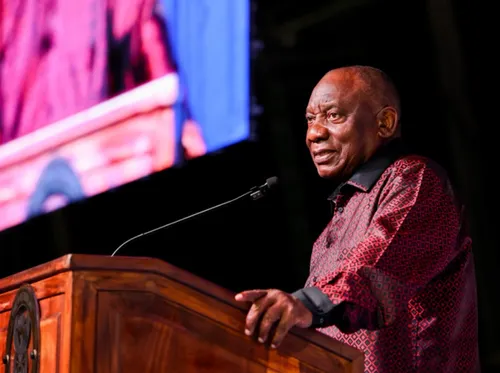
Prime Minister Tarique Rahman convened an emergency cabinet meeting on Sunday. He pledged to safeguard workers' rights and enhance their living standards while ensuring that production and exports continue smoothly. Home Minister Salahuddin Ahmed assured reporters that law enforcement agencies would take action against those involved in violence and disorderly behavior.
Some labor leaders have gone into hiding, expressing surprise at the unrest. They note that the wage board has already been established, but workers are now protesting over wages and other unaddressed concerns. Industry representatives confirm that at least 529 factories in Dhaka and surrounding areas, including Savar, Ashulia, Jirani, and Gazipur, saw workers leave their workplaces on Sunday.
Babul Akhter, general secretary of the Bangladesh Garment and Industrial Workers Federation, said Bangladesh offers some of the lowest garment wages globally. He argues that if factory owners cannot pay workers appropriately, they should negotiate better prices with international buyers. Industry representatives contend that the sector faces higher costs due to energy market uncertainty stemming from Middle East conflicts and slowing demand in key export markets.
Economics professor Selim Raihan acknowledged the workers' demands are justified given high inflation and suppressed wages could lead to further unrest. However, he cautioned that a significant wage increase could raise production costs, strain exporters' profit margins, and weaken Bangladesh's price competitiveness. Raihan suggests that a phased wage adjustment, improved productivity, and fairer pricing from international buyers are crucial to balancing workers' welfare with industrial sustainability.
Written by urgent.news from South China Morning Post's reporting — not their text. Machine-written — may contain errors; check the original before relying on it.