Special voting starts today: What South Africans need to know
As South Africans prepare for the November 4 local government elections, the IEC has outlined identification requirements, special voting arrangements, voting station checks and security measures voters should know before heading to the polls.
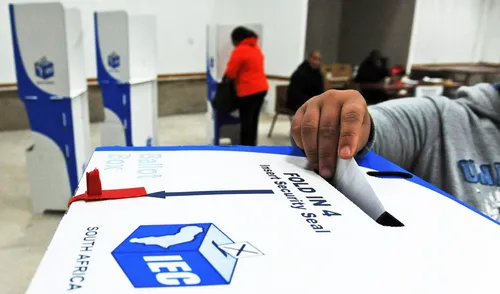
On November 2 and 3, South Africans will participate in special voting for the upcoming local government elections on November 4. The Independent Electoral Commission (IEC) has approved over 2.6 million voters for this special voting process, deploying 127,000 officials to ensure a smooth operation. Voting stations will be open from 8 am to 5 pm on these days, with voters required to present a valid South African identity document before casting their ballots.
IEC Chief Electoral Officer Sy Mamabolo urged voters to verify their voting station and voter-roll sequence numbers before heading to the polls. This would expedite the process, as officials can more efficiently locate voters' names. The IEC Contact Centre will be available from 7 am to 7 pm during special voting and from 7 am to 9 pm on election day to assist voters with inquiries.
Special voting is designed for registered voters facing physical infirmity, disability, or those unable to vote in their registered wards on election day. Over 2.6 million voters have been approved for this process, with 678,525 opting for home visits and the remaining 1,976,542 voting at their registered locations. Voters can check their status by sending an SMS to 32711 at a cost of R1 per message.
While voters who miss their home visit still have the right to vote on November 4, they must remain available at their registered addresses throughout the special voting period. Once approved home-visit voters are assisted, they can proceed to vote at their designated station on election day. The IEC has confirmed that special votes cast on November 2 and 3 will be securely stored and reconciled with records before being counted alongside ballots cast on November 4.
Political party agents, representatives of independent candidates, and accredited observers can monitor the process in accordance with electoral rules. However, the IEC has warned that adverse weather conditions, such as rainfall in KwaZulu-Natal, Gauteng, Mpumalanga, and the Western Cape, as well as hot conditions in North West, Limpopo, the Northern Cape, and Free State, could impact voting activities.
Voters are encouraged to check local weather forecasts and take necessary precautions to ensure they can cast their votes on November 4.
Written by urgent.news from IOL's reporting — not their text. Machine-written — may contain errors; check the original before relying on it.
This story
This is one outlet's version. Read the fullest account.