Skilled Workers, Not Slaves, Built Egypt’s Pyramids, Study Claims
New archaeological discoveries are challenging the widely held belief that Egypt’s pyramids were built by slaves, offering fresh insights into how these ancient monuments were constructed. A team led by prominent Egyptologist Dr. Zahi Hawass has uncovered inscriptions above the King’s Chamber in the Pyramid of Khufu. These red-painted markings include the names of labor […]
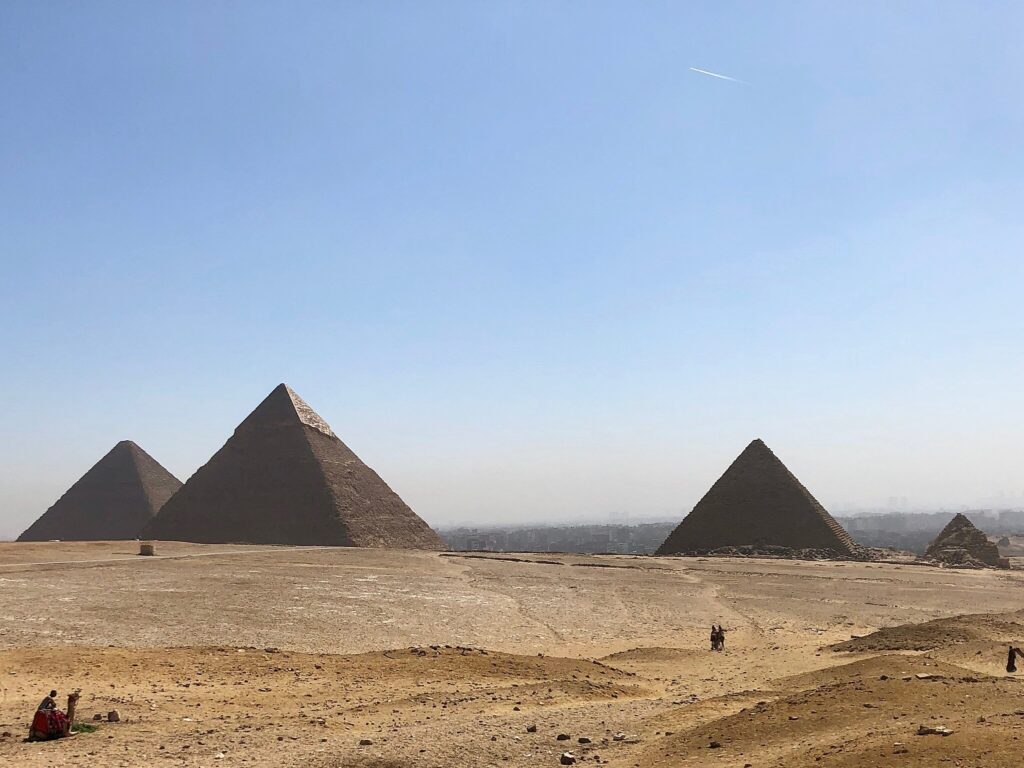
Recent archaeological discoveries are challenging the long-standing belief that Egypt's pyramids were constructed by slaves. Instead, a team led by renowned Egyptologist Dr. Zahi Hawass suggests that skilled workers in well-organized crews built these ancient monuments. Inscriptions found above the King's Chamber in the Pyramid of Khufu indicate the names of labor teams and work shifts, pointing to a structured workforce.
These findings align with earlier records discovered at Wadi el-Jarf, which documented the transportation of stones to the pyramid site. Dr. Hawass explained the groundbreaking discovery during an appearance on the Matt Beall Limitless podcast, showcasing never-before-seen photographs of ancient handwritten inscriptions on stone surfaces within the pyramid.
The laborers worked in tight passageways, 14 meters above ground level, but the duration of their workdays was limited to one day every ten days, allowing for regular rest and recovery.
Additional evidence, such as graves containing tools, statues, and inscriptions detailing various job titles, supports the notion of a well-compensated and respected workforce. Nearby animal bones from 11 cows and 33 goats suggest that the workers had access to substantial meals, further reinforcing the idea of organized labor. Excavations also revealed the remains of a village near the pyramid site, featuring bakeries, dormitories, medical facilities, and food-processing stations, indicating a long-term habitation by the workers.
The discovery of a mud-and-rubble ramp on the pyramid's southwestern side, linked to a quarry just 300 meters away, provides further evidence of the transportation system used to move the massive limestone blocks. Researchers believe the builders worked on a structured schedule, receiving one day off every ten days, but their labor was intense.
While the workers appear to have been trained professionals working under organized systems, the popular image of slaves struggling under the Egyptian sun has been revised by these latest findings.
Written by urgent.news from Colombia One's reporting — not their text. Machine-written — may contain errors; check the original before relying on it.