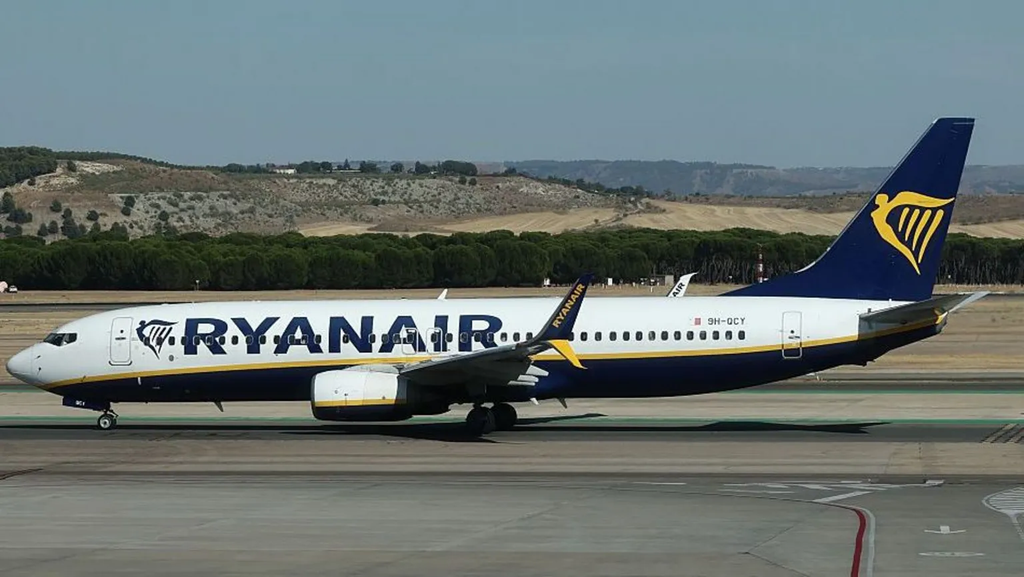
Ryanair to freeze wages, hike fares as fuel prices soar
LONDON, Nov 2 — Irish no-frills airline Ryanair said Monday it would launch a cost-cutting drive and hike fares ne...
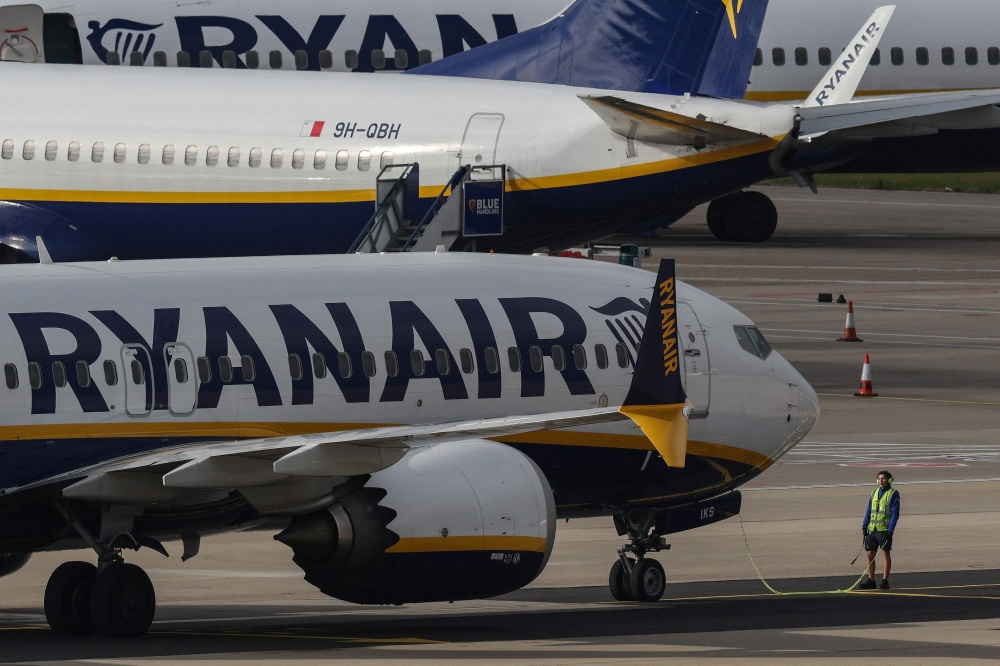
Irish budget airline Ryanair announced on Monday plans to freeze wages and raise fares in 2027 to combat the effects of soaring jet fuel prices caused by the Middle East conflict. Chief executive Michael O’Leary disclosed that the airline's fuel bill is projected to increase by €2 billion (RM9.12 billion) in the upcoming financial year, potentially leading to cost-cutting measures such as temporary pay freezes, reduced cabin crew ratios, and increased use of artificial intelligence in back-office operations.
The announcement followed a six percent decline in profit after tax to €1.61 billion for the second quarter, or the three months leading up to September, from the previous year.
The cost of fuel not covered by advance purchase agreements has risen sharply due to the US-Iran war. O’Leary stated that unless there is a resolution to the Middle East conflict, Ryanair expects jet-fuel prices to remain high until 2027. For its current fiscal year, which ends in March, Ryanair has hedged 80 percent of its fuel requirements at around US$67 per barrel, significantly lower than the current market price.
However, only a quarter of its fuel needs for 2027-2028 have been hedged at a higher price of US$95 per barrel, still below the current market levels.
Ryanair reported a four percent increase in revenue to 5.7 billion euros in its second quarter, while passenger traffic grew by five percent. However, fares fell by two percent due to consumer hesitancy and delayed bookings resulting from the war. O’Leary announced that fares would have to rise next year to accommodate rising fuel costs, predicting "double-digit percentage" fare hikes across Europe from all airlines.
Dan Coatsworth, head of markets at AJ Bell, noted that many airlines have managed the oil price spike this year through forward hedging, locking in large portions of fuel costs before the Iran conflict. As these hedges expire soon, the airline industry faces significant cost challenges. Coatsworth added that travelers should prepare for a substantial increase in air travel costs unless oil prices drop significantly.
Ryanair also announced plans to reduce its winter schedule in response to higher fuel costs, aiming to carry 214 million passengers in its current fiscal year, up three percent from 2025/26. O’Leary cautioned that providing a full-year profit guidance remains highly sensitive to potential escalations in Middle East and Ukraine conflicts, fuel prices, macroeconomic shocks, and European air traffic control strikes.
Written by urgent.news from Malay Mail's reporting — not their text. Machine-written — may contain errors; check the original before relying on it.
This story
This is one outlet's version. Read the fullest account.