Russian human rights commissioner says far fewer than 750 people were evacuated from Oleshky, contradicting Melania Trump’s claim
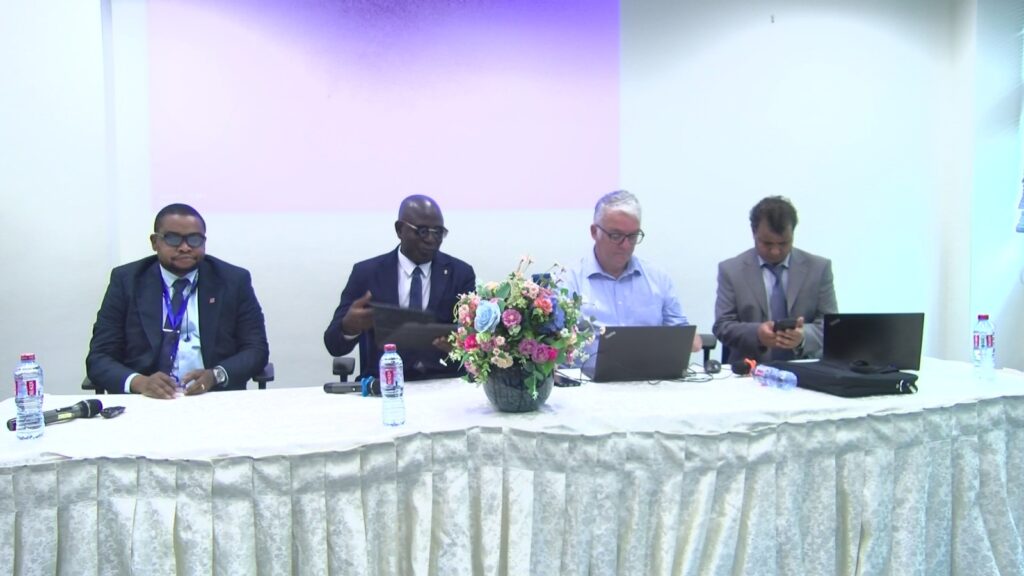
Russia’s human rights commissioner, Yana Lantratova, said she has no data on how many people left the city of Oleshky in the Kherson region. She made the comment at a news conference on the results of the humanitarian mission.
Russia’s human rights commissioner Yana Lantratova stated that she lacks data on the exact number of people who evacuated Oleshky, a town under Russian control in the Kherson region of Ukraine. During a press conference on the humanitarian mission's outcomes, she clarified that 750 residents had the opportunity to leave, matching the capacity of the evacuation buses used.
However, Lantratova emphasized that numerous buses returned empty, implying that "far fewer than 750 people left." She also acknowledged that the counting process was unfeasible due to time constraints and the lack of proper record-keeping. Additionally, Lantratova revealed that individuals who did not register left the town, and the buses stopped at other nearby settlements as well.
Ukraine’s ombudsman, Dmytro Lubinets, confirmed that neither side disclosed the total number of residents who relocated to Ukraine or Russia, stating that the mission serves as a model for future town evacuations. Both nations avoided revealing numbers to maintain objectivity, as Lantratov emphasized that the "competition over who left for whom more" does not contribute to transparency.
Oleshky, a frontline town in the Kherson region occupied by Russian forces, faced dire humanitarian conditions in recent months. Ukraine and Russia conducted a joint humanitarian mission, with U.S. mediation securing a truce from October 27 to November 1, the longest cease-fire since 2022. Meduza, the news outlet reporting this story, is dedicated to transparency and employed AI to translate the Russian-language account while ensuring accuracy and adherence to editorial standards.
Written by urgent.news from Meduza (English)'s reporting — not their text. Machine-written — may contain errors; check the original before relying on it.