Prediction market bettors are the new political pundits. Why are we listening to them? | Judith Levine
Sites like Kalshi and Polymarket offer faux populism as elites reap the benefits – and voters risk being misled Online betting is a bit like Donald Trump. The prediction markets – platforms where users bet on whether events will occur – pretend to be populist, pushing the nabobs aside and representing the “wisdom of the crowd”. “This data is bottom-up, not elites-driven,” a Kalshi spokesperson…
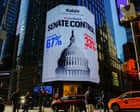
Prediction market bettors have become the new political pundits, influencing voters' expectations even if they don't improve their overall understanding of elections. These markets, like Kalshi and Polymarket, claim to offer a crowd-based, populist approach, but they are actually controlled by a small number of skilled traders. While the markets promise transparency, they can actually facilitate fraud and insider trading.
Although Polymarket's predictions were accurate in the 2024 elections compared to conventional polls, recent analyses reveal that the crowd's wisdom is overstated. Only about 3% of accounts on Polymarket contribute to its accuracy, while the majority of traders lose money. This is because skilled traders, who have access to data streams and advanced algorithms, can predict price movements and manage risk more effectively than the general crowd.
These traders, who are essentially elites akin to Wall Street financiers, are more knowledgeable about political events due to their access to data and analytical tools. Their trading activity can boost the profits of a small number of traders while leaving the rest of the market participants with losses. This imbalance, however, does not diminish the impact of prediction markets on voters' expectations.
In fact, prediction market odds have been shown to significantly shift voter expectations, potentially affecting election outcomes.
The influence of prediction markets extends beyond expectations to voter behavior. Behavioral economics research suggests that the uncertainty surrounding election results can influence voters' decisions, especially when they perceive a candidate as losing momentum. This dynamic creates a feedback loop where the traders' actions can amplify their influence on elections.
While prediction market participation may seem like a form of two-bit corruption akin to Tammany Hall's electoral wagers, the scale and complexity of online platforms make it challenging to regulate. Nonetheless, the potential for insider trading by elected officials and candidates remains a concern. Despite the risks, the press and the public seem increasingly willing to listen to prediction market prognosticators, inadvertently or knowingly, as they shape our understanding of political events.
Written by urgent.news from The Guardian US's reporting — not their text. Machine-written — may contain errors; check the original before relying on it.