Power subsidy ending
EDITORIAL: Finally, the government has planned to end the slab-based electricity subsidy in the power sector. This space has argued for years that these distortions in the power sector need to be removed. Now, the government is finally moving in that direction, perhaps under IMF pressure. The decision is right, but it has come a little too late. Historically, over the past few decades, power…
The government plans to end the slab-based electricity subsidy in Pakistan's power sector, a move potentially influenced by IMF pressure. For years, critics have argued that the power sector's distortions needed removal. The decision, while necessary, came too late as the subsidies had been misused over decades. The cross-subsidy mechanism placed the burden on consumers in higher slabs, including domestic users, commercial entities, and industries.
Prior to 2018, costs were not fully passed to consumers, accumulating as circular debt instead. Now, the government transfers these costs to consumers via interest payments or taxpayers covering the shortfall. Higher electricity costs have been a challenge for industrial players, contributing to lopsided IPP contracts favoring generators.
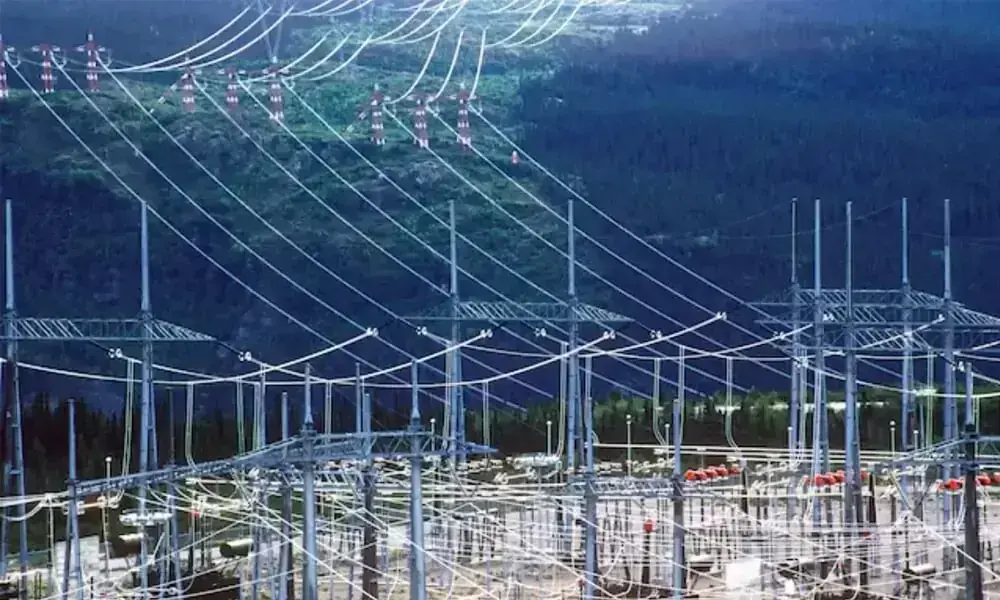
Transmission and distribution inefficiencies, including theft and losses, also contribute to inflated consumer tariffs. Generation and supply costs are already higher in Pakistan compared to neighboring countries. Paying consumers are often subsidizing those consuming less than 200 units per month, with some affluent households exploiting the policy by installing multiple meters.
As a result, consumers are increasingly opting for rooftop solar, industrial players installing solar panels, and farmers shifting to solar energy from diesel-powered generation. Net-metered consumption is minimal, leading to higher costs for those reliant on the grid. The government intends to replace the current tariff system, a move that should have happened earlier but is still necessary.
While the government plans to help the marginalized through BISP, many deserving consumers remain unassisted, as nearly half of the population lives below the poverty line. The government must also reduce power costs, relying on full-cost recovery models due to limited fiscal space. Accelerating distribution company privatization, revisiting IPP contracts, and extending debt maturities could ease the financial burden. The ultimate goal is to provide affordable energy for all without indirectly burdening taxpayers.
Written by urgent.news from Business Recorder's reporting — not their text. Machine-written — may contain errors; check the original before relying on it.