Pentagon probes whether hackers caused freezer failures at US military bases
In August, several US military bases experienced food spoilage due to freezer failures, potentially caused by a cyberattack. Investigators, including US Cyber Command, have not confirmed the technical cause or identified any suspects. French authorities are being coordinated with as similar incidents affected supermarkets in France earlier this month. The Food and Agriculture Information Sharing…
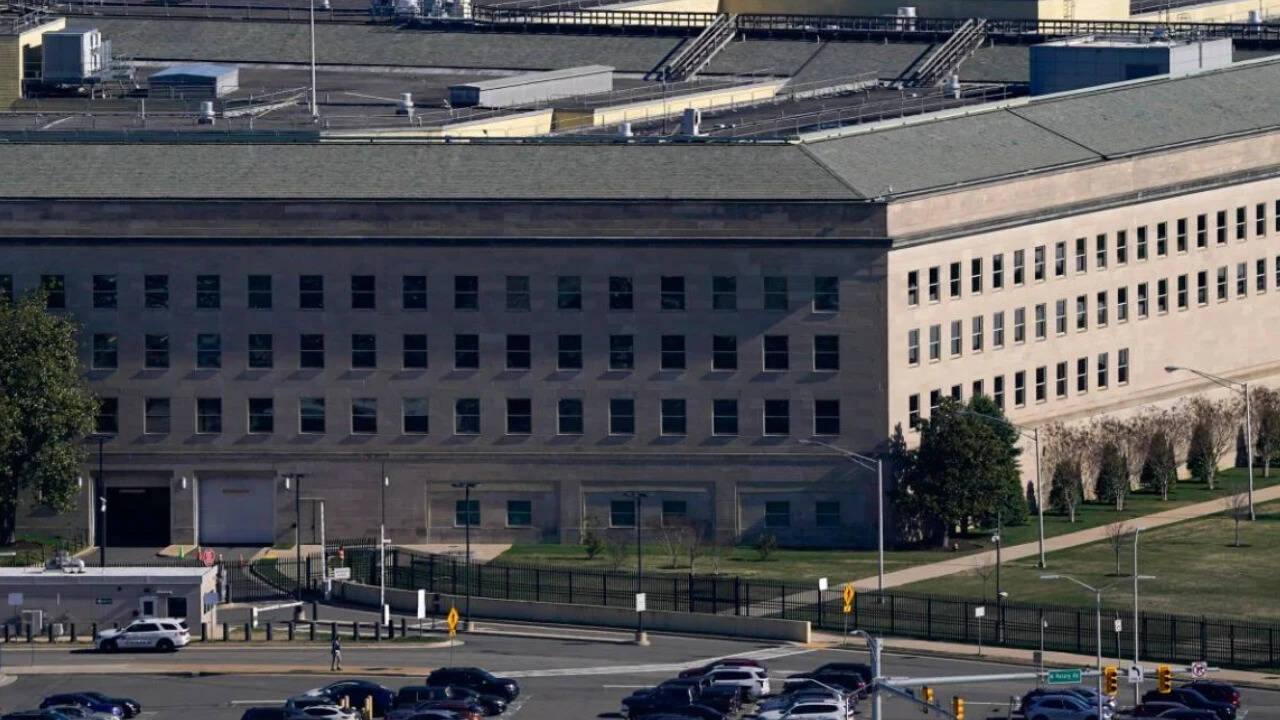
The Pentagon is probing whether cyber hackers caused commercial freezer failures at multiple US military bases in August, according to a US official. Approximately six commissaries, or on-base grocery stores, experienced food spoilage due to the disruptions, the official said. At Fort Huachuca in Arizona, a walk-in freezer unexpectedly entered defrost mode, heating its inventory and ruining the stored provisions.
US Cyber Command and Defense Department law enforcement agencies are leading the investigation, though the technical root cause has not been formally identified. Reuters first reported that investigators were treating the incidents as a possible hack, but it's unclear who might be responsible. US investigators are also coordinating with French authorities, who reported a similar incident in October where hackers manipulated temperature controls on commercial cooling systems across over 350 locations, causing widespread inventory disposal at local supermarkets.
This case highlights vulnerabilities in operational technology, with cybersecurity analysts warning that food storage systems often rely on remote-access controls with weak defenses. The Food and Agriculture Information Sharing and Analysis Center has warned that internet-accessible industrial controls present easy targets for malicious actors, emphasizing the risks of cyber-induced refrigeration failures to national food distribution networks.
The August commissary failures were initially reported by the Signal and Silence blog, with further coverage from Stars and Stripes and The Telegraph. In Congress, the incidents have spurred renewed momentum around supply chain security, with lawmakers reintroducing the bipartisan Farm and Food Cybersecurity Act to strengthen crisis response protocols and federal threat-sharing mechanisms.
Written by urgent.news from Times of India's reporting — not their text. Machine-written — may contain errors; check the original before relying on it.
This story
This is one outlet's version. Read the fullest account.